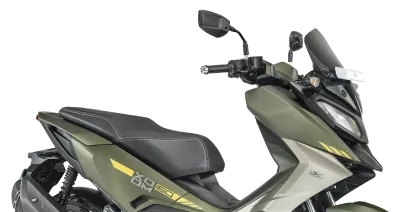
XTREME 160R 4V
163.2 cc engine
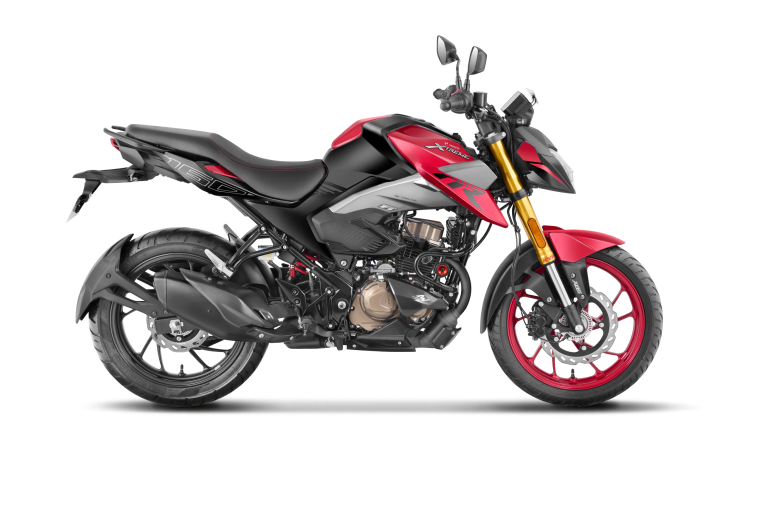
163.2 cc engine
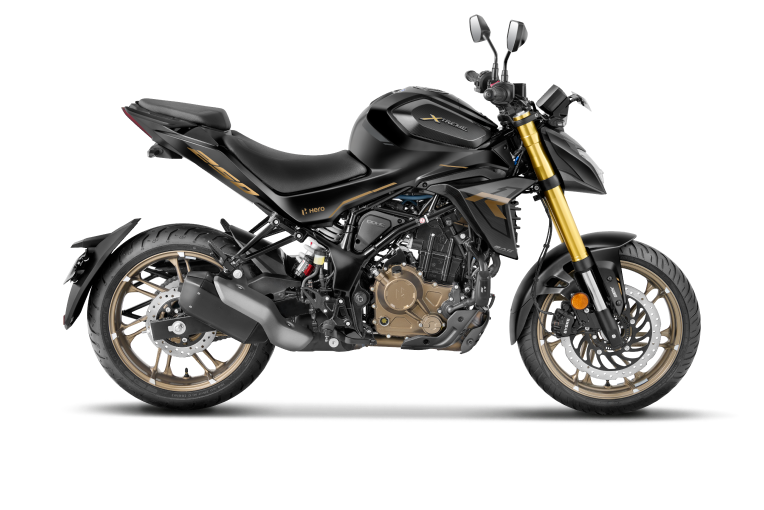
250 cc engine
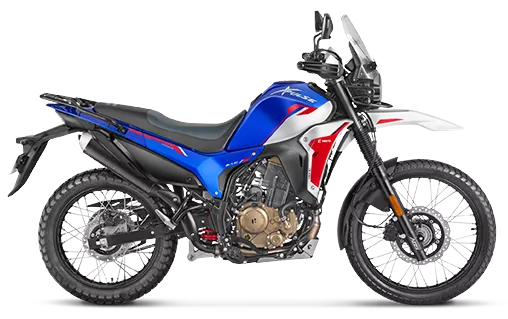
210 cc engine
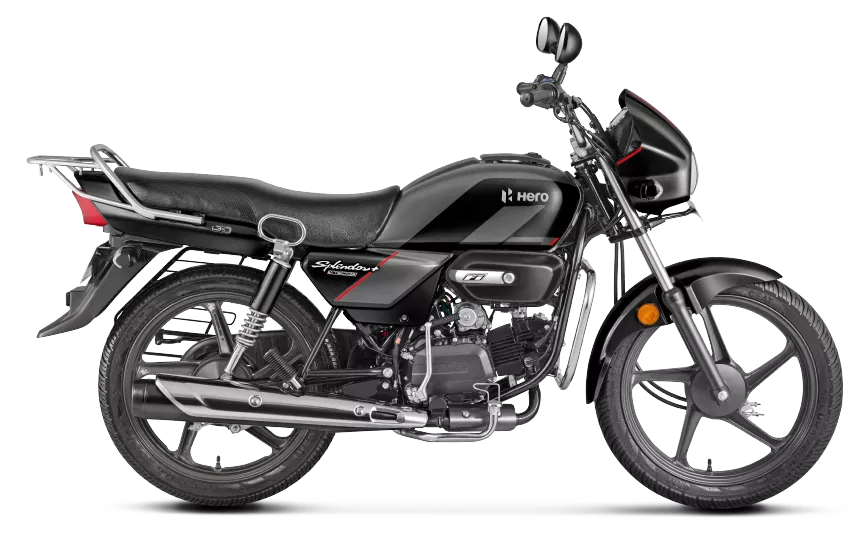
97.2 cc engine
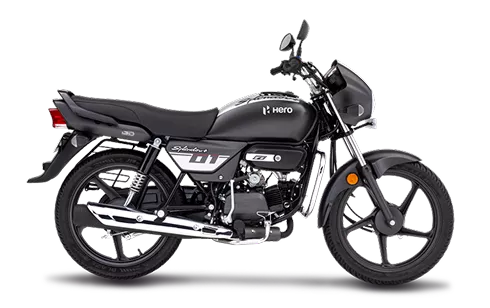
97.2 cc engine
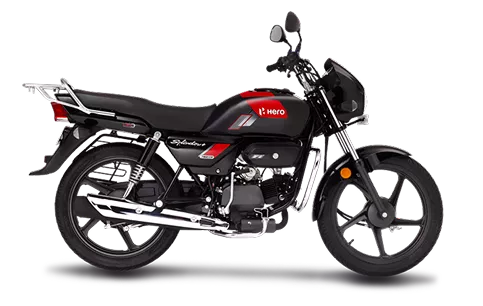
97.2 cc engine
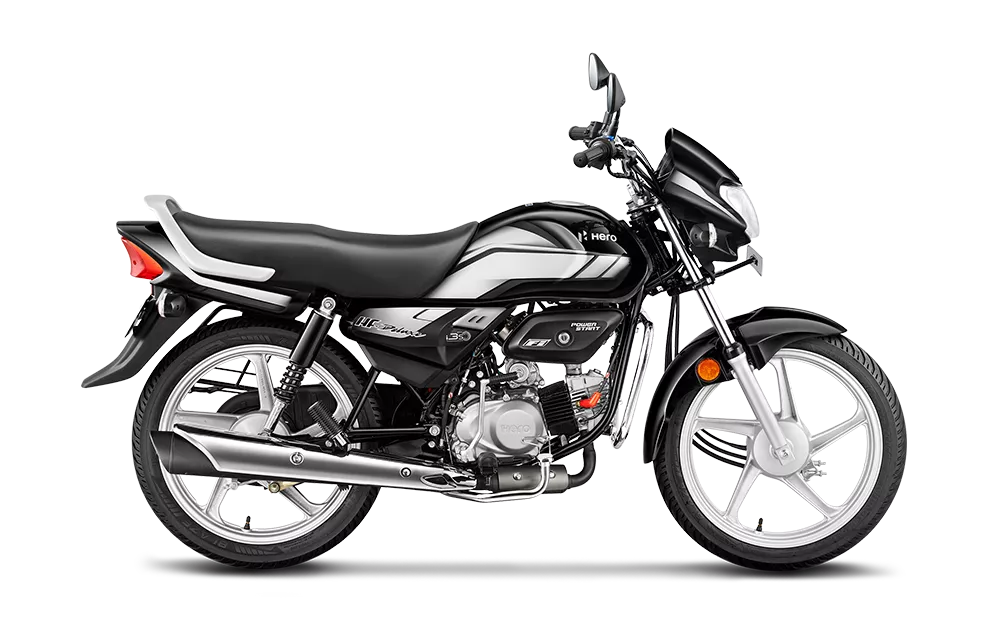
97.2 cc engine
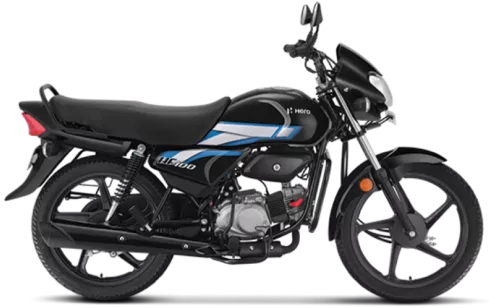
97.2 cc engine
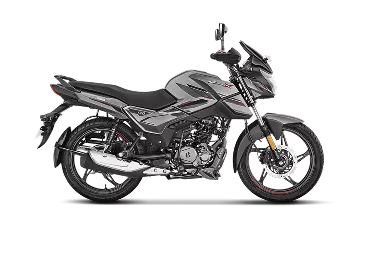
125 cc engine
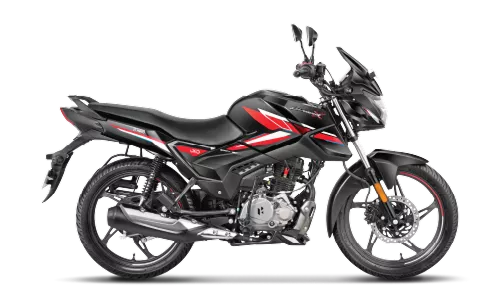
125 cc engine
125 cc engine
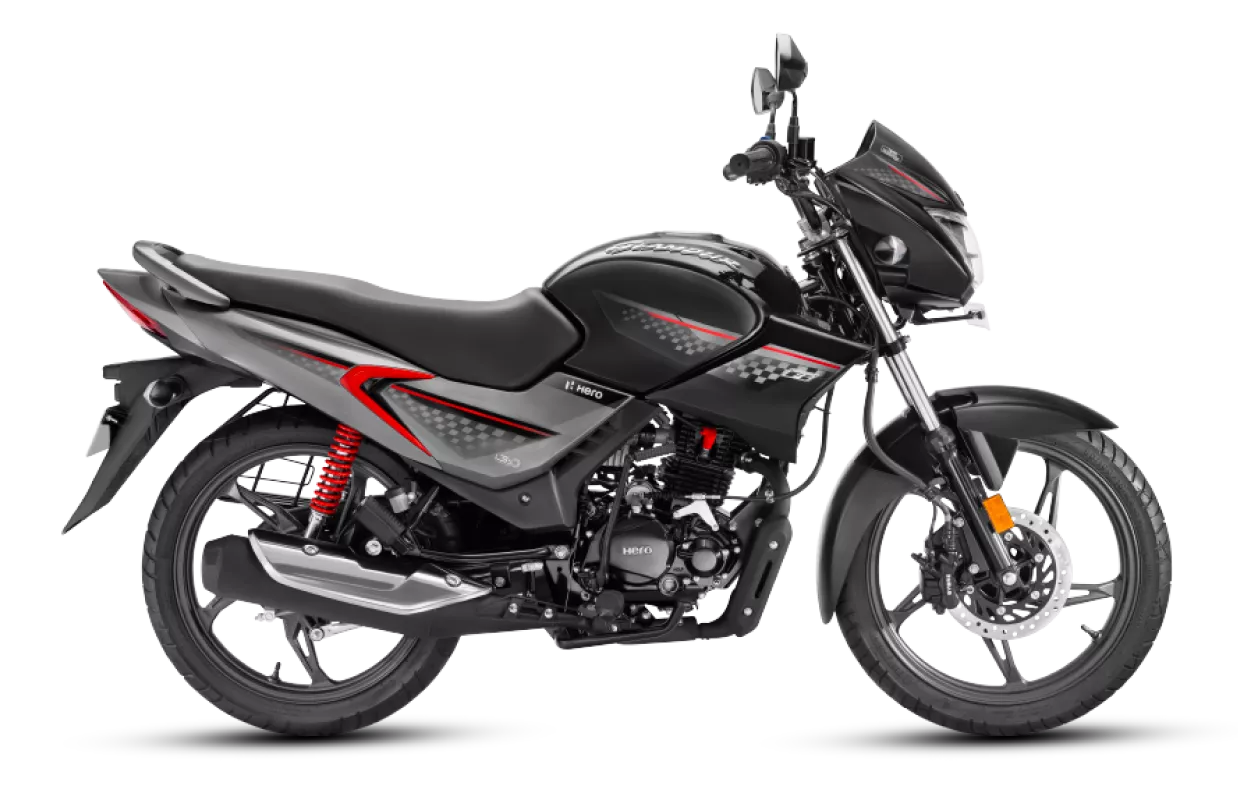
125 cc engine
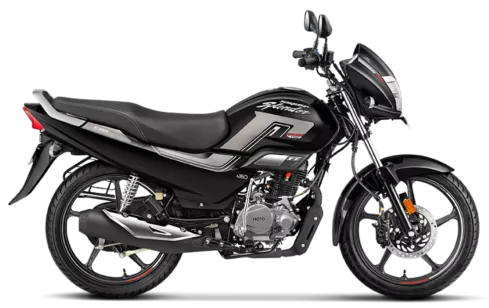
124.7 cc engine
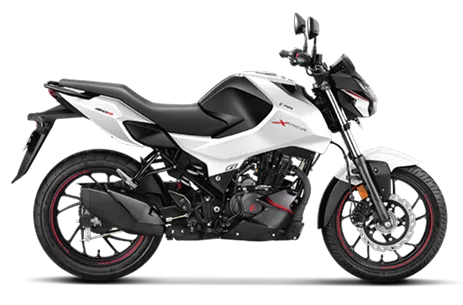
163.2 cc engine
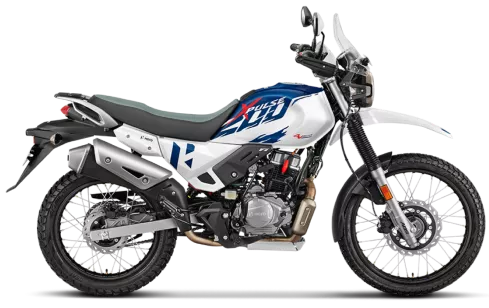
199.6 cc engine
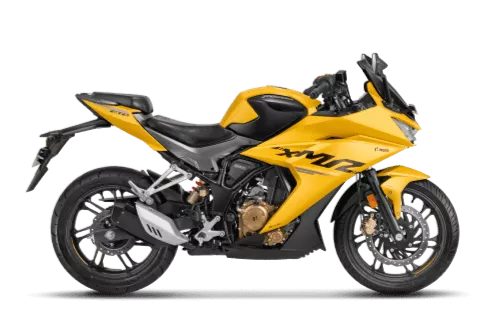
210 cc engine
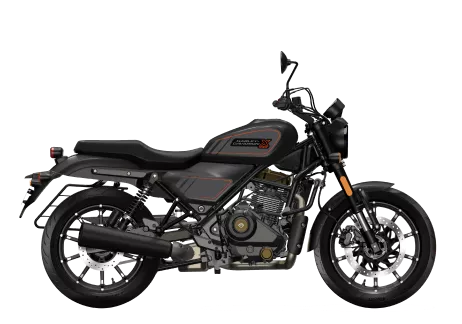
440 cc engine
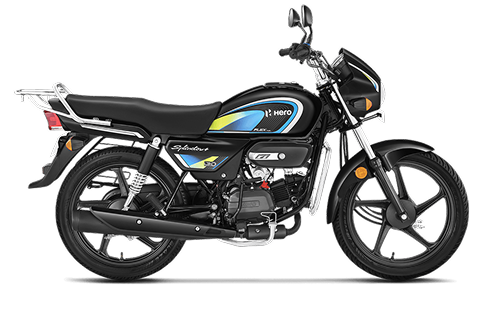
97.2 cc engine
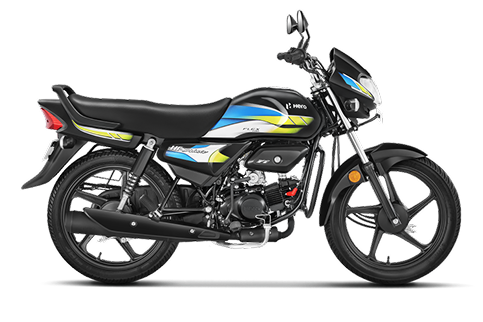
97.2 cc engine
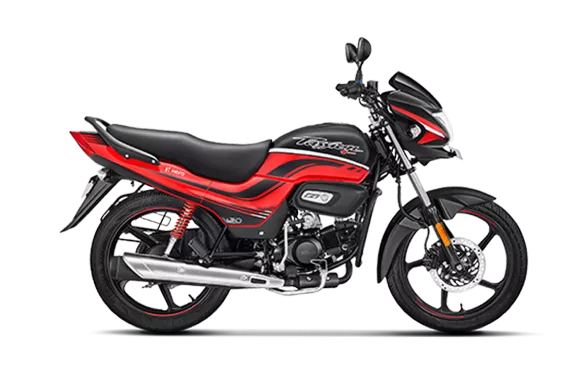
97.2 cc engine
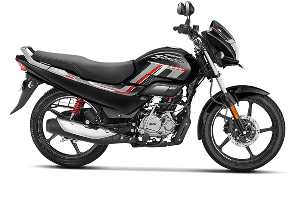
124.7 cc engine
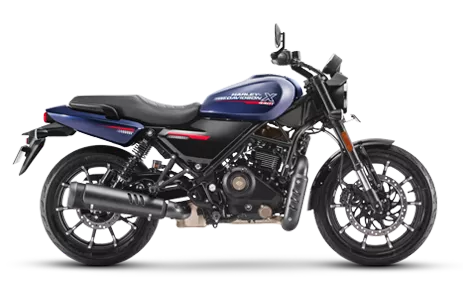
440 cc engine

163.2 cc
Air oil cooled, 4-stroke, Single cylinder, OHC
14.6 nm
@6500 RPM
Starting ex-showroom price
Delhi, Delhi
250 cc
4 Stroke, 4 Valve, Single Cylinder Liquid Cooled, DOHC
25 nm
@7250 RPM
Starting ex-showroom price
Delhi, Delhi
210 cc
4 Stroke 4 Valve Single Cylinder Liquid Cooled DOHC
20.7 nm
@7250 RPM
Starting ex-showroom price
Delhi, Delhi
97.2 cc
Air cooled, 4-stroke, Single cylinder, OHC
8.05 nm
@6000 RPM
Starting ex-showroom price
Delhi, Delhi
97.2 cc
Air cooled, 4-stroke, Single cylinder, OHC
8.05 nm
@6000 RPM
Starting ex-showroom price
Delhi, Delhi
97.2 cc
Air cooled, 4-stroke, Single cylinder, OHC
8.05 nm
@6000 RPM
Starting ex-showroom price
Delhi, Delhi
97.2 cc
Air cooled, 4-stroke, Single cylinder, OHC
8.05 nm
@6000 RPM
Starting ex-showroom price
Delhi, Delhi
97.2 cc
Air cooled, 4-stroke, Single cylinder, OHC
8.05 nm
@6000 RPM
Starting ex-showroom price
Delhi, Delhi
125 cc
Air cooled, 4-Stroke
8.5 kW
@8250 RPM
Starting ex-showroom price
Delhi, Delhi
125 cc
Air cooled, 4-Stroke
10.5 nm
@6500 RPM
Starting ex-showroom price
Delhi, Delhi
125 cc
5.7 sec, Acceleartion 0-60kmph
10.5 nm
@6500 RPM
Starting ex-showroom price
Delhi, Delhi
125 cc
Air cooled, 4-stroke, Single cylinder, OHC
10.6 nm
@6000 RPM
Starting ex-showroom price
Delhi, Delhi
124.7 cc
Air Cooled, 4-Stroke, OHC, Single Cylinder
10.6 nm
@6000 RPM
Starting ex-showroom price
Delhi, Delhi
163.2 cc
Air Cooled 4 stroke
14 nm
@6500 RPM
Starting ex-showroom price
Delhi, Delhi
199.6 cc
Oil Cooled, 4 stroke 4 Valve single cylinder OHC
17.35 nm
@6500 RPM
Starting ex-showroom price
Delhi, Delhi
210 cc
Liquid cooled, 4-stroke, Single cylinder, OHC
20.4 nm
@4000 RPM
Starting ex-showroom price
Delhi, Delhi
440 cc
Air cooled, 4-stroke, Single cylinder, OHC
38 nm
@4000 RPM
Starting ex-showroom price
Delhi, Delhi
97.2 cc
Air cooled, 4-stroke, Single cylinder, OHC
8.3 nm(with E85)
@ 6000 RPM
Starting ex-showroom price
Delhi, Delhi
97.2 cc
Air cooled, 4-stroke, Single cylinder, OHC
8.3 nm(with E85)
@ 6000 RPM
Starting ex-showroom price
Delhi, Delhi
97.2 cc
Air cooled, 4 stroke
8.05 nm
@6000 RPM
Starting ex-showroom price
Delhi, Delhi
124.7 cc
2V,Air cooled, 4 stroke single cylinder
10.6 nm
@ 6000 RPM
Starting ex-showroom price
Delhi, Delhi
440 cc
Air cooled, 4-stroke, Single cylinder, OHC
38 nm
@4000 RPM
Starting ex-showroom price
Delhi, Delhi

163.2 cc engine
250 cc engine
210 cc engine
97.2 cc engine
97.2 cc engine
97.2 cc engine
97.2 cc engine
97.2 cc engine
125 cc engine
125 cc engine
125 cc engine
125 cc engine
124.7 cc engine
163.2 cc engine
199.6 cc engine
210 cc engine
440 cc engine
97.2 cc engine
97.2 cc engine
97.2 cc engine
124.7 cc engine
440 cc engine
163.2 cc
Air oil cooled, 4-stroke, Single cylinder, OHC
14.6 nm
@6500 RPM
250 cc
4 Stroke, 4 Valve, Single Cylinder Liquid Cooled, DOHC
25 nm
@7250 RPM
210 cc
4 Stroke 4 Valve Single Cylinder Liquid Cooled DOHC
20.7 nm
@7250 RPM
97.2 cc
Air cooled, 4-stroke, Single cylinder, OHC
8.05 nm
@6000 RPM
97.2 cc
Air cooled, 4-stroke, Single cylinder, OHC
8.05 nm
@6000 RPM
97.2 cc
Air cooled, 4-stroke, Single cylinder, OHC
8.05 nm
@6000 RPM
97.2 cc
Air cooled, 4-stroke, Single cylinder, OHC
8.05 nm
@6000 RPM
97.2 cc
Air cooled, 4-stroke, Single cylinder, OHC
8.05 nm
@6000 RPM
125 cc
Air cooled, 4-Stroke
8.5 kW
@8250 RPM
125 cc
Air cooled, 4-Stroke
10.5 nm
@6500 RPM
125 cc
5.7 sec, Acceleartion 0-60kmph
10.5 nm
@6500 RPM
125 cc
Air cooled, 4-stroke, Single cylinder, OHC
10.6 nm
@6000 RPM
124.7 cc
Air Cooled, 4-Stroke, OHC, Single Cylinder
10.6 nm
@6000 RPM
163.2 cc
Air Cooled 4 stroke
14 nm
@6500 RPM
199.6 cc
Oil Cooled, 4 stroke 4 Valve single cylinder OHC
17.35 nm
@6500 RPM
210 cc
Liquid cooled, 4-stroke, Single cylinder, OHC
20.4 nm
@4000 RPM
440 cc
Air cooled, 4-stroke, Single cylinder, OHC
38 nm
@4000 RPM
97.2 cc
Air cooled, 4-stroke, Single cylinder, OHC
8.3 nm(with E85)
@ 6000 RPM
97.2 cc
Air cooled, 4-stroke, Single cylinder, OHC
8.3 nm(with E85)
@ 6000 RPM
97.2 cc
Air cooled, 4 stroke
8.05 nm
@6000 RPM
124.7 cc
2V,Air cooled, 4 stroke single cylinder
10.6 nm
@ 6000 RPM
440 cc
Air cooled, 4-stroke, Single cylinder, OHC
38 nm
@4000 RPM
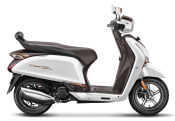
110 cc engine
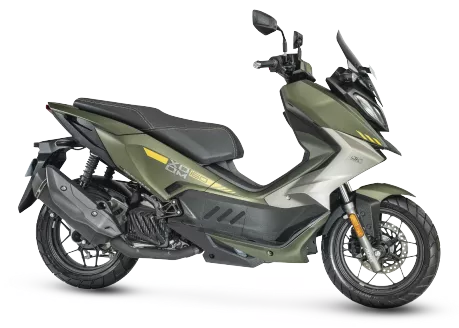
125 cc engine
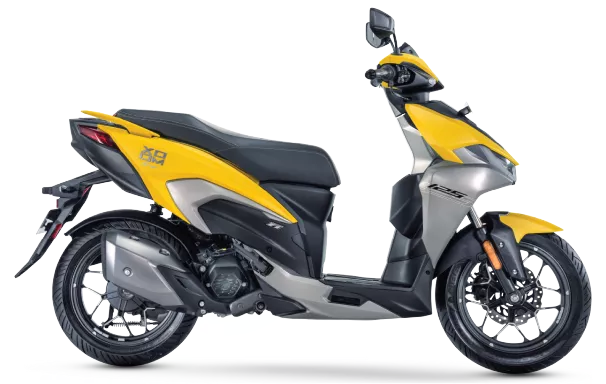
156 cc engine
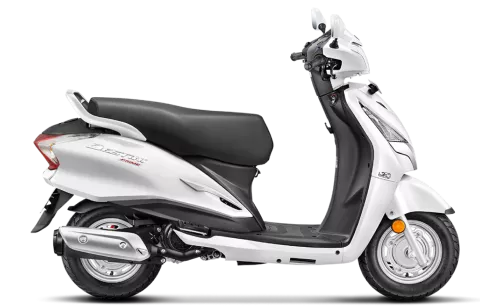
124.6 cc engine
124.6 cc engine
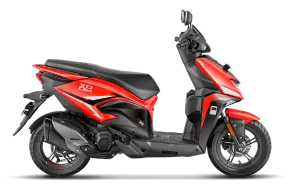
110.9 cc engine
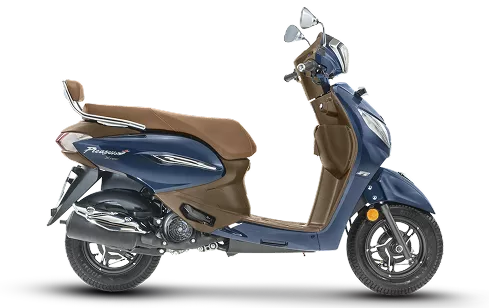
110.9 cc engine
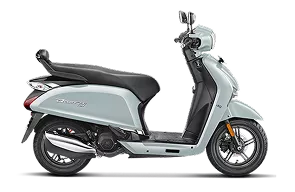
110 cc
Air Cooled, 4 stroke engine
8.7 nm
@5750 RPM
Starting ex-showroom price
Delhi, Delhi
125 cc
Air cooled, 4 stroke, SI engine
10.4 nm
@5500 RPM
Starting ex-showroom price
Delhi, Delhi
156 cc
Liquid cooled, 4 Valve single cylinder SOHC
14 nm
@6250 RPM
Starting ex-showroom price
Delhi, Delhi
124.6 cc
Air Cooled, 4 stroke, SI
10.4 nm
@6000 RPM
Starting ex-showroom price
Delhi, Delhi
124.6 cc
Air Cooled, 4-Stroke, SI Engine
10.36 nm
@5500 RPM
Starting ex-showroom price
Delhi, Delhi
110.9 cc
Air cooled, 4-stroke, SI engine
8.70 nm
@5750 RPM
Starting ex-showroom price
Delhi, Delhi
110.9 cc
Air cooled, 4-stroke Single Cylinder OHC
8.70 nm
@5500 RPM
Starting ex-showroom price
Delhi, Delhi
110 cc engine
125 cc engine
156 cc engine
124.6 cc engine
124.6 cc engine
110.9 cc engine
110.9 cc engine
110 cc
Air Cooled, 4 stroke engine
8.7 nm
@5750 RPM
125 cc
Air cooled, 4 stroke, SI engine
10.4 nm
@5500 RPM
156 cc
Liquid cooled, 4 Valve single cylinder SOHC
14 nm
@6250 RPM
124.6 cc
Air Cooled, 4 stroke, SI
10.4 nm
@6000 RPM
124.6 cc
Air Cooled, 4-Stroke, SI Engine
10.36 nm
@5500 RPM
110.9 cc
Air cooled, 4-stroke, SI engine
8.70 nm
@5750 RPM
110.9 cc
Air cooled, 4-stroke Single Cylinder OHC
8.70 nm
@5500 RPM
For most Indian riders, a motorcycle earns its place in everyday life through reliability and control. Power figures and design draw attention, but safety and confidence on the road come from simpler fundamentals.
Tyres in good condition, predictable braking and routine checks often matter more than riders realise.
At Hero MotoCorp, we engineer motorcycles for Indian traffic, surfaces and riding habits. Still, even the most dependable machine delivers its best only when these basics are understood and followed.
Tyres are the only contact point between your motorcycle and the road. Grip, stability and braking distance depend heavily on their condition. This makes knowing how to check tyre pressure in bikes a non-negotiable habit.
Start with the basics. Always check tyre pressure when the tyres are cold, ideally before your first ride of the day. Use a reliable pressure gauge rather than relying on visual judgment. The recommended pressure is mentioned in the owner’s manual and often on the swingarm or side panel. Riding with low pressure increases rolling resistance, heats up the tyre and reduces fuel efficiency. Overinflated tyres, on the other hand, reduce the contact patch and compromise grip, especially on uneven roads.
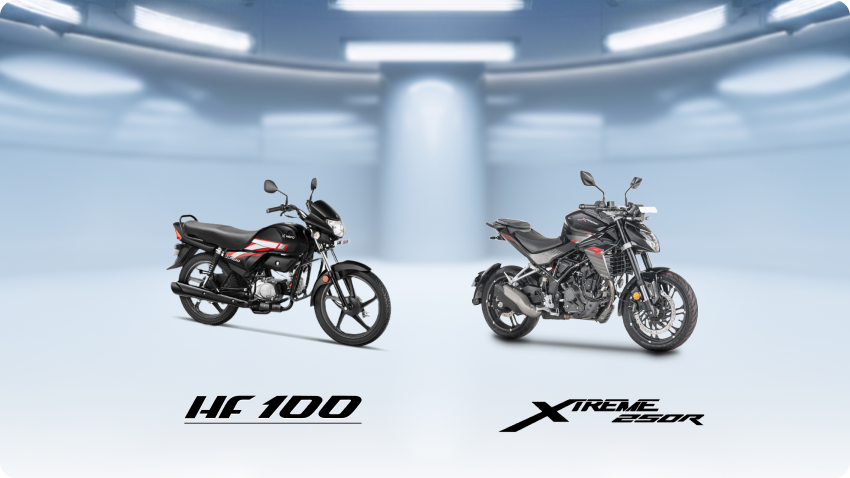
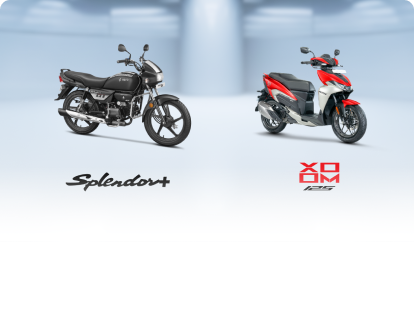
For a daily commuter like the HF 100, correct tyre pressure plays a direct role in maintaining stability on crowded city streets and keeping running costs predictable. Regular pressure checks also help spot slow punctures or valve leaks early, before they turn into inconvenient roadside stops.
Beyond pressure, inspect tyres for uneven wear, cracks or embedded objects. Worn tread struggles in wet conditions and increases the risk of skidding during sudden braking. Replacing tyres on time is not an expense. It is preventive safety.
Brakes are often taken for granted until a sudden situation demands their full capability. For new riders especially, understanding basic motorcycle braking tips for beginners can make a significant difference.
The first rule is balance. Effective braking uses both front and rear brakes together. The front brake provides most of the stopping power, while the rear helps maintain stability. Grabbing only the front brake can unsettle the bike, while relying solely on the rear increases stopping distance.
Progressive braking is key. Apply pressure smoothly rather than abruptly, allowing the suspension to settle and tyres to maintain grip. On slippery or dusty roads, this becomes even more critical. Keep two fingers resting lightly on the brake lever in traffic. It shortens reaction time without causing fatigue.
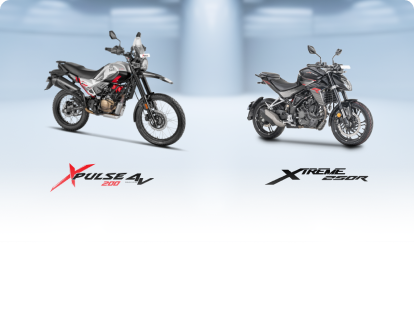
Riders stepping up to performance-oriented motorcycles like the Xtreme 250R will appreciate how responsive braking systems reward correct technique.
A stronger engine demands sharper braking control, especially during quick deceleration or emergency stops. Practising controlled braking in a safe, open area builds muscle memory that pays off in real-world riding.
Skidding is rarely about bad luck. It is usually the result of incorrect inputs. Sudden braking, abrupt throttle changes or riding on underinflated tyres all increase risk.
Maintain a steady throttle while cornering and avoid braking mid-turn unless absolutely necessary. Look ahead to read the road surface. Gravel, spilled fuel, and wet patches reduce grip instantly. Slowing down early gives you options and control.
This is where tyre condition, pressure and braking technique intersect. Each supports the other. When all three are aligned, the motorcycle feels predictable, even on imperfect roads.
Smart riding begins with a smart buying decision. Commuters focused on efficiency and simplicity benefit from motorcycles that are light, easy to maintain and tuned for daily use. The HF 100 fits squarely into this role, offering dependable performance for routine city travel.
Riders looking for a stronger blend of performance and everyday usability often gravitate towards machines like the Xtreme 250R. Its design supports confident handling, stronger acceleration and assured braking, making it suitable for riders who want more engagement without sacrificing control.
When discussions turn to the best adventure bike under 200000, the Xpulse 210 often enters the conversation. Built to handle varied terrain, it brings long-travel suspension, upright ergonomics and practical durability. For riders who split their time between city roads and weekend trails, it represents a thoughtful balance of versatility and value.
Beyond tyres and brakes, a few quick checks can significantly improve safety. Ensure lights and indicators are functioning properly, especially before night rides. Check brake fluid levels and listen for unusual sounds while braking. Keep mirrors adjusted for a clear view without excessive head movement.
Chain lubrication and correct slack also affect ride smoothness and throttle response. A poorly maintained chain can introduce jerks that upset balance during acceleration or deceleration.
These checks take minutes, but their impact lasts through every ride.
Riding safer is rarely about one dramatic change. It is the result of many small, consistent decisions. Correct tyre pressure improves grip and braking. Proper braking technique builds confidence. Choosing the right motorcycle aligns performance with real-world needs.
At Hero MotoCorp, our motorcycles are designed to support these habits through robust engineering and rider-focused design. When riders combine that foundation with informed care and attention, safety becomes part of the routine, not a reaction to risk.
1.What engine does the HF 100 use?


The HF 100 is powered by a 97.2 cc air-cooled, single-cylinder engine tuned for efficiency and smooth everyday commuting.
2.What is the engine capacity of the Xtreme 250R?
The Xtreme 250R comes with a 249 cc liquid-cooled engine designed for strong performance and responsive throttle control.
3.Does the Xtreme 250R get disc brakes?
Yes, the Xtreme 250R is equipped with disc brakes for confident stopping power and better control during sudden braking.
4.What type of tyres does the HF 100 run on?
The HF 100 uses durable tubed tyres suited for daily city riding and consistent performance on Indian road conditions.
5.What is the engine capacity of the Xpulse 210?
The Xpulse 210 features a 210 cc engine built to handle mixed riding conditions, from city roads to rough terrain.
1.What engine does the HF 100 use?
The HF 100 is powered by a 97.2 cc air-cooled, single-cylinder engine tuned for efficiency and smooth everyday commuting.
2.What is the engine capacity of the Xtreme 250R?
The Xtreme 250R comes with a 249 cc liquid-cooled engine designed for strong performance and responsive throttle control.
3.Does the Xtreme 250R get disc brakes?
Yes, the Xtreme 250R is equipped with disc brakes for confident stopping power and better control during sudden braking.
4.What type of tyres does the HF 100 run on?
The HF 100 uses durable tubed tyres suited for daily city riding and consistent performance on Indian road conditions.
5.What is the engine capacity of the Xpulse 210?
The Xpulse 210 features a 210 cc engine built to handle mixed riding conditions, from city roads to rough terrain.


 Angola
 Argentina
 Bangladesh
 Bolivia
 Colombia
 Costa Rica
 Dominican Republic
 DRC
DRC
 Ecuador
 El Salvador
 Ethiopia
 France
 GCC
GCC
 Germany
 Great Britain
 Guatemala
 Guinea
 Guyana
 Haiti
Haiti
 Honduras
 Italy
Italy
 Kenya
Kenya
 Madagascar
 Mexico
 Myanmar
 Nepal
Nepal
 Nicaragua
 Nigeria
 Panama
 Peru
Peru
 Philippines
 South Africa
 Spain
Spain
 Sri Lanka
 Tanzania
 Trinidad
 Turkey
 Uganda
 Zambia