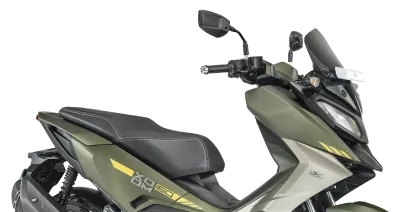
XTREME 250R
250 cc engine
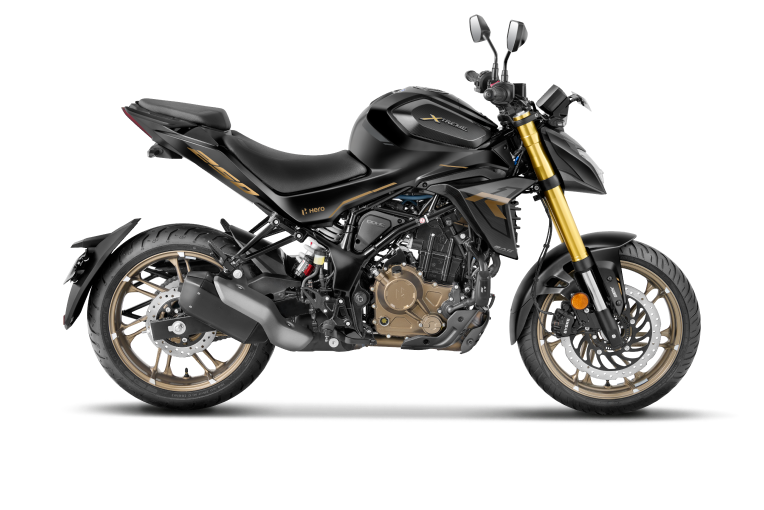
250 cc engine
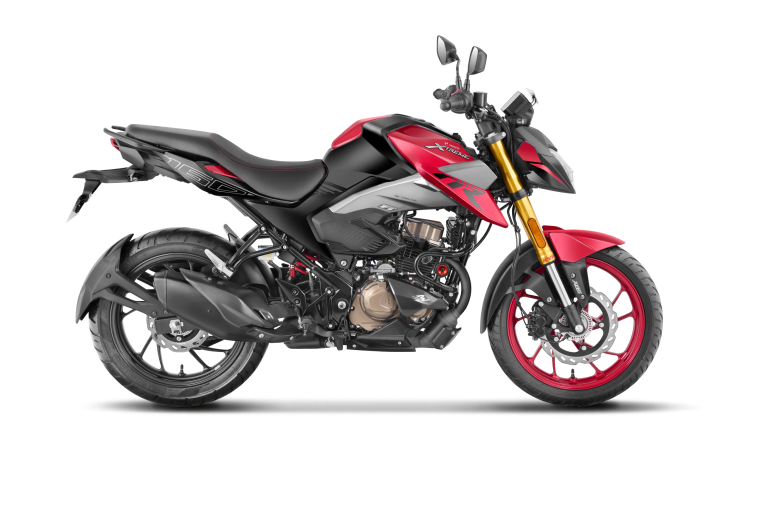
163.2 cc engine
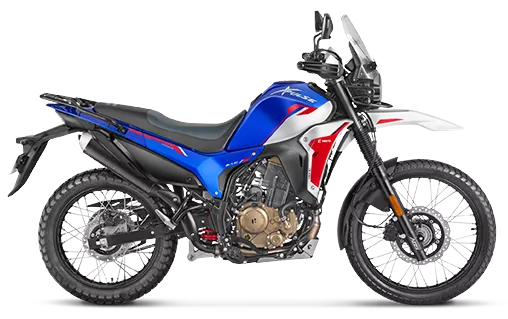
210 cc engine
97.2 cc engine
97.2 cc engine
97.2 cc engine
97.2 cc engine
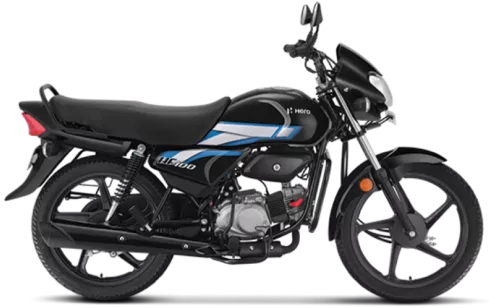
97.2 cc engine
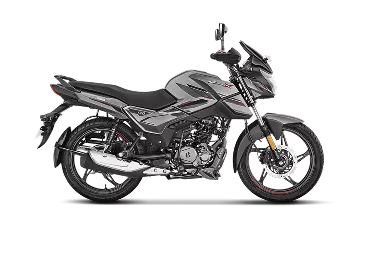
125 cc engine
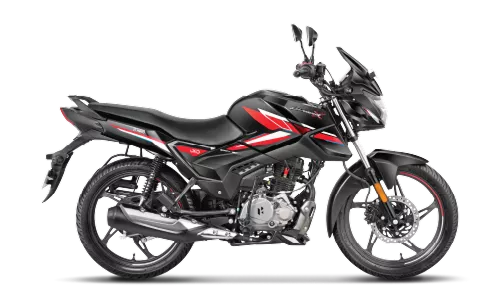
125 cc engine
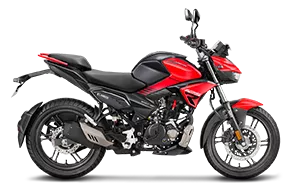
125 cc engine
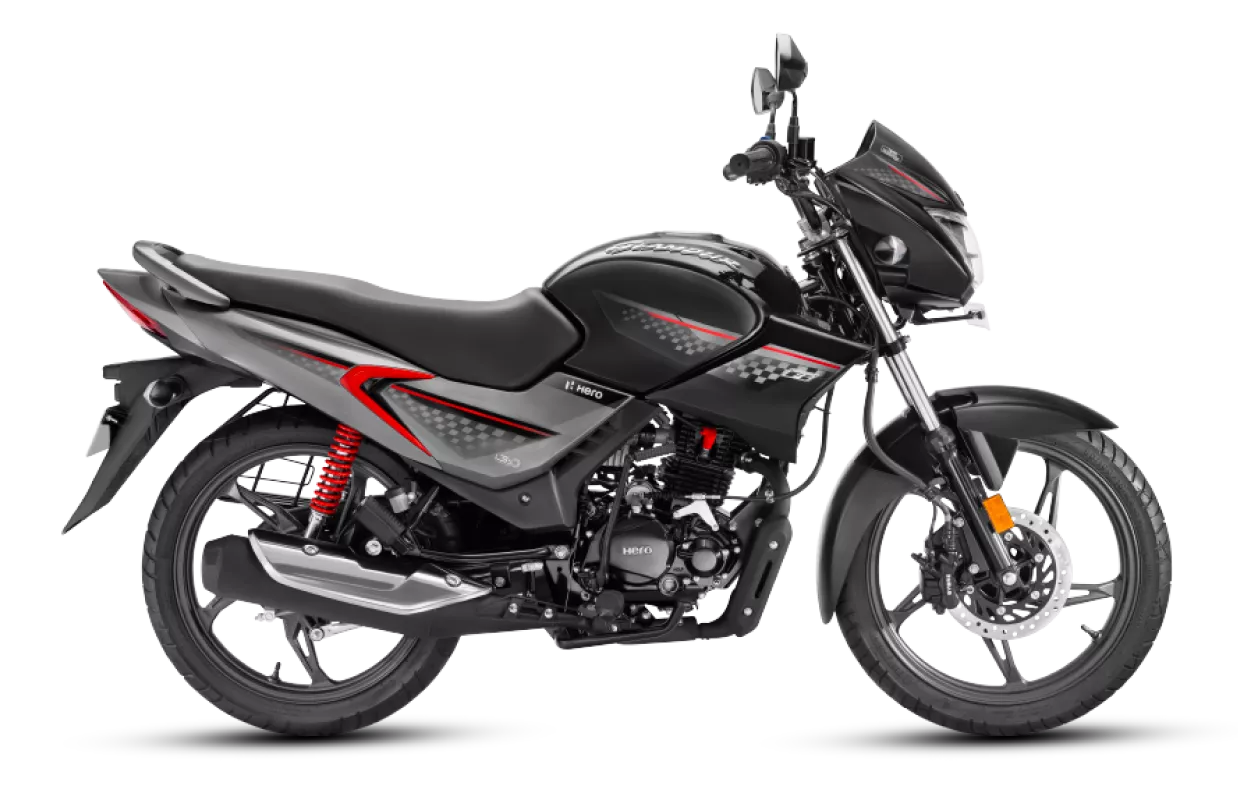
125 cc engine
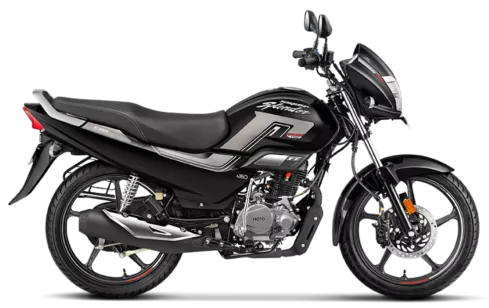
124.7 cc engine
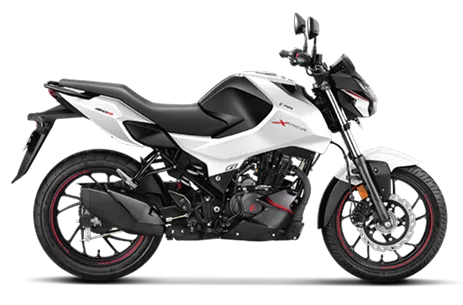
163.2 cc engine
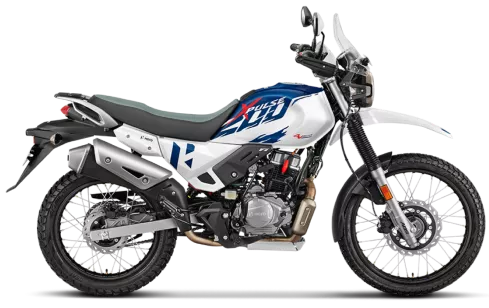
199.6 cc engine
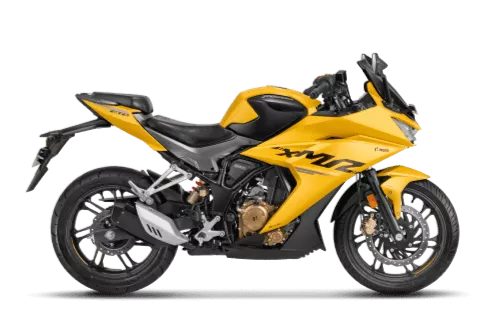
210 cc engine
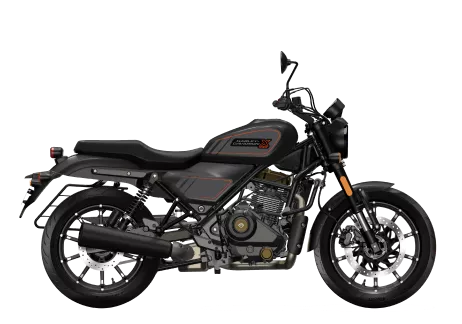
440 cc engine
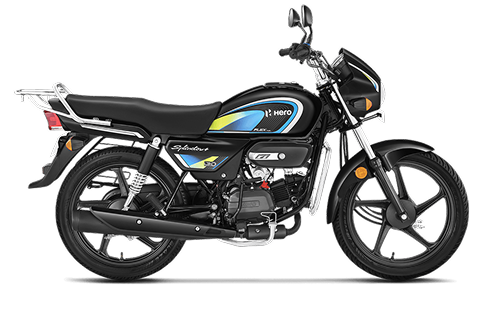
97.2 cc engine
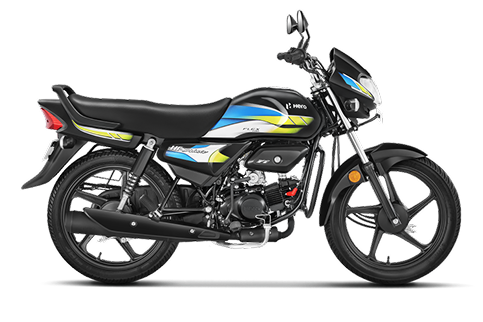
97.2 cc engine
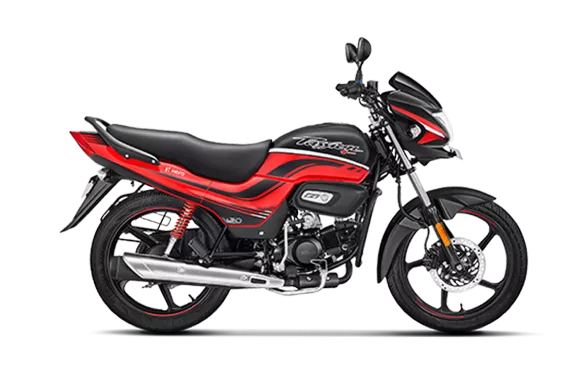
97.2 cc engine
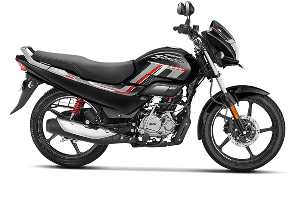
124.7 cc engine
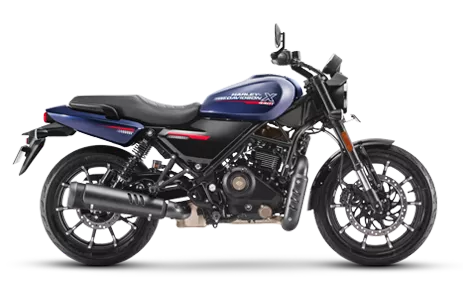
440 cc engine

250 cc
4 Stroke, 4 Valve, Single Cylinder Liquid Cooled, DOHC
25 nm
@7250 RPM
Starting ex-showroom price
Delhi, Delhi
163.2 cc
Air oil cooled, 4-stroke, Single cylinder, OHC
14.6 nm
@6500 RPM
Starting ex-showroom price
Delhi, Delhi
210 cc
4 Stroke 4 Valve Single Cylinder Liquid Cooled DOHC
20.7 nm
@7250 RPM
Starting ex-showroom price
Delhi, Delhi
97.2 cc
Air cooled, 4-stroke, Single cylinder, OHC
8.05 nm
@6000 RPM
Starting ex-showroom price
Delhi, Delhi
97.2 cc
Air cooled, 4-stroke, Single cylinder, OHC
8.05 nm
@6000 RPM
Starting ex-showroom price
Delhi, Delhi
97.2 cc
Air cooled, 4-stroke, Single cylinder, OHC
8.05 nm
@6000 RPM
Starting ex-showroom price
Delhi, Delhi
97.2 cc
Air cooled, 4-stroke, Single cylinder, OHC
8.05 nm
@6000 RPM
Starting ex-showroom price
Delhi, Delhi
97.2 cc
Air cooled, 4-stroke, Single cylinder, OHC
8.05 nm
@6000 RPM
Starting ex-showroom price
Delhi, Delhi
125 cc
Air cooled, 4-Stroke
8.5 kW
@8250 RPM
Starting ex-showroom price
Delhi, Delhi
125 cc
Air cooled, 4-Stroke
10.5 nm
@6500 RPM
Starting ex-showroom price
Delhi, Delhi
125 cc
5.7 sec, Acceleartion 0-60kmph
10.5 nm
@6500 RPM
Starting ex-showroom price
Delhi, Delhi
125 cc
Air cooled, 4-stroke, Single cylinder, OHC
10.6 nm
@6000 RPM
Starting ex-showroom price
Delhi, Delhi
124.7 cc
Air Cooled, 4-Stroke, OHC, Single Cylinder
10.6 nm
@6000 RPM
Starting ex-showroom price
Delhi, Delhi
163.2 cc
Air Cooled 4 stroke
14 nm
@6500 RPM
Starting ex-showroom price
Delhi, Delhi
199.6 cc
Oil Cooled, 4 stroke 4 Valve single cylinder OHC
17.35 nm
@6500 RPM
Starting ex-showroom price
Delhi, Delhi
210 cc
Liquid cooled, 4-stroke, Single cylinder, OHC
20.4 nm
@4000 RPM
Starting ex-showroom price
Delhi, Delhi
440 cc
Air cooled, 4-stroke, Single cylinder, OHC
38 nm
@4000 RPM
Starting ex-showroom price
Delhi, Delhi
97.2 cc
Air cooled, 4-stroke, Single cylinder, OHC
8.3 nm(with E85)
@ 6000 RPM
Starting ex-showroom price
Delhi, Delhi
97.2 cc
Air cooled, 4-stroke, Single cylinder, OHC
8.3 nm(with E85)
@ 6000 RPM
Starting ex-showroom price
Delhi, Delhi
97.2 cc
Air cooled, 4 stroke
8.05 nm
@6000 RPM
Starting ex-showroom price
Delhi, Delhi
124.7 cc
2V,Air cooled, 4 stroke single cylinder
10.6 nm
@ 6000 RPM
Starting ex-showroom price
Delhi, Delhi
440 cc
Air cooled, 4-stroke, Single cylinder, OHC
38 nm
@4000 RPM
Starting ex-showroom price
Delhi, Delhi
Starting ex-showroom price
Delhi, Delhi

250 cc engine
163.2 cc engine
210 cc engine
97.2 cc engine
97.2 cc engine
97.2 cc engine
97.2 cc engine
97.2 cc engine
125 cc engine
125 cc engine
125 cc engine
125 cc engine
124.7 cc engine
163.2 cc engine
199.6 cc engine
210 cc engine
440 cc engine
97.2 cc engine
97.2 cc engine
97.2 cc engine
124.7 cc engine
440 cc engine
250 cc
4 Stroke, 4 Valve, Single Cylinder Liquid Cooled, DOHC
25 nm
@7250 RPM
163.2 cc
Air oil cooled, 4-stroke, Single cylinder, OHC
14.6 nm
@6500 RPM
210 cc
4 Stroke 4 Valve Single Cylinder Liquid Cooled DOHC
20.7 nm
@7250 RPM
97.2 cc
Air cooled, 4-stroke, Single cylinder, OHC
8.05 nm
@6000 RPM
97.2 cc
Air cooled, 4-stroke, Single cylinder, OHC
8.05 nm
@6000 RPM
97.2 cc
Air cooled, 4-stroke, Single cylinder, OHC
8.05 nm
@6000 RPM
97.2 cc
Air cooled, 4-stroke, Single cylinder, OHC
8.05 nm
@6000 RPM
97.2 cc
Air cooled, 4-stroke, Single cylinder, OHC
8.05 nm
@6000 RPM
125 cc
Air cooled, 4-Stroke
8.5 kW
@8250 RPM
125 cc
Air cooled, 4-Stroke
10.5 nm
@6500 RPM
125 cc
5.7 sec, Acceleartion 0-60kmph
10.5 nm
@6500 RPM
125 cc
Air cooled, 4-stroke, Single cylinder, OHC
10.6 nm
@6000 RPM
124.7 cc
Air Cooled, 4-Stroke, OHC, Single Cylinder
10.6 nm
@6000 RPM
163.2 cc
Air Cooled 4 stroke
14 nm
@6500 RPM
199.6 cc
Oil Cooled, 4 stroke 4 Valve single cylinder OHC
17.35 nm
@6500 RPM
210 cc
Liquid cooled, 4-stroke, Single cylinder, OHC
20.4 nm
@4000 RPM
440 cc
Air cooled, 4-stroke, Single cylinder, OHC
38 nm
@4000 RPM
97.2 cc
Air cooled, 4-stroke, Single cylinder, OHC
8.3 nm(with E85)
@ 6000 RPM
97.2 cc
Air cooled, 4-stroke, Single cylinder, OHC
8.3 nm(with E85)
@ 6000 RPM
97.2 cc
Air cooled, 4 stroke
8.05 nm
@6000 RPM
124.7 cc
2V,Air cooled, 4 stroke single cylinder
10.6 nm
@ 6000 RPM
440 cc
Air cooled, 4-stroke, Single cylinder, OHC
38 nm
@4000 RPM

110 cc engine
125 cc engine
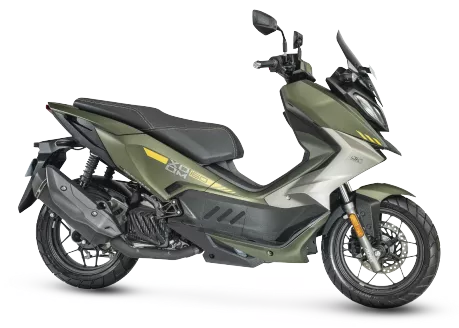
156 cc engine
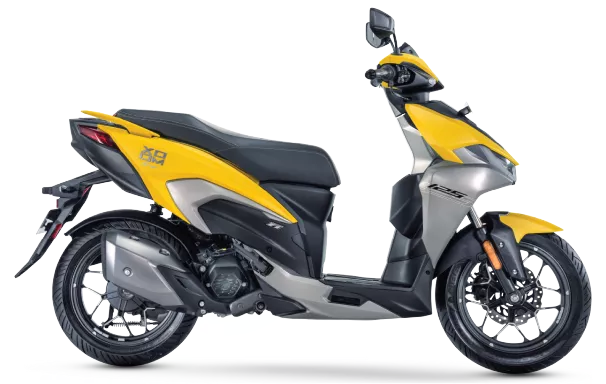
124.6 cc engine
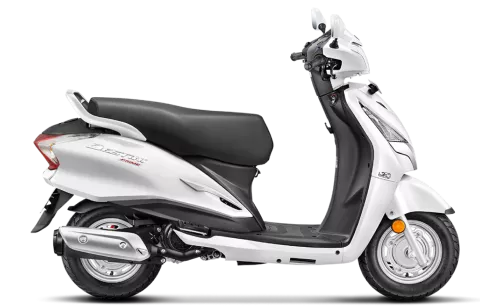
124.6 cc engine
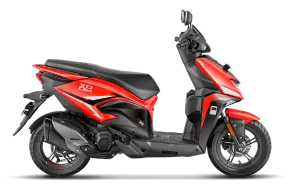
110.9 cc engine
110.9 cc engine
110 cc
Air Cooled, 4 stroke engine
8.7 nm
@5750 RPM
Starting ex-showroom price
Delhi, Delhi
125 cc
Air cooled, 4 stroke, SI engine
10.4 nm
@5500 RPM
Starting ex-showroom price
Delhi, Delhi
156 cc
Liquid cooled, 4 Valve single cylinder SOHC
14 nm
@6250 RPM
Starting ex-showroom price
Delhi, Delhi
124.6 cc
Air Cooled, 4 stroke, SI
10.4 nm
@6000 RPM
Starting ex-showroom price
Delhi, Delhi
124.6 cc
Air Cooled, 4-Stroke, SI Engine
10.36 nm
@5500 RPM
Starting ex-showroom price
Delhi, Delhi
110.9 cc
Air cooled, 4-stroke, SI engine
8.70 nm
@5750 RPM
Starting ex-showroom price
Delhi, Delhi
110.9 cc
Air cooled, 4-stroke Single Cylinder OHC
8.70 nm
@5500 RPM
Starting ex-showroom price
Delhi, Delhi
110 cc engine
125 cc engine
156 cc engine
124.6 cc engine
124.6 cc engine
110.9 cc engine
110.9 cc engine
110 cc
Air Cooled, 4 stroke engine
8.7 nm
@5750 RPM
125 cc
Air cooled, 4 stroke, SI engine
10.4 nm
@5500 RPM
156 cc
Liquid cooled, 4 Valve single cylinder SOHC
14 nm
@6250 RPM
124.6 cc
Air Cooled, 4 stroke, SI
10.4 nm
@6000 RPM
124.6 cc
Air Cooled, 4-Stroke, SI Engine
10.36 nm
@5500 RPM
110.9 cc
Air cooled, 4-stroke, SI engine
8.70 nm
@5750 RPM
110.9 cc
Air cooled, 4-stroke Single Cylinder OHC
8.70 nm
@5500 RPM
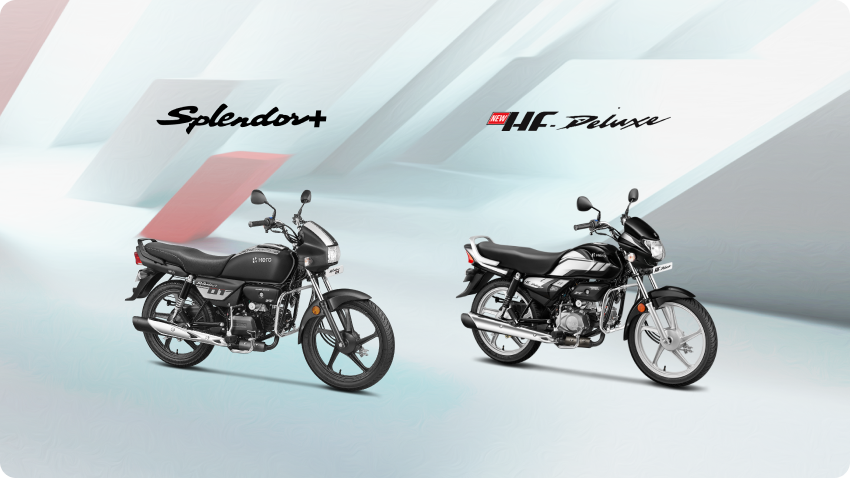
India's daily commuters have always shared one common concern: fuel costs.
Whether it's a student riding to college, an office-goer navigating city traffic, or a small business owner covering long distances every day, fuel expenses often form a significant part of monthly transportation costs. As fuel prices continue to fluctuate and environmental concerns become increasingly important, the automotive industry is exploring innovative solutions that can make commuting both economical and sustainable.
One of the most promising developments in this direction is Flex Fuel technology. Hero MotoCorp has taken a major step forward by introducing its first flexible fuel motocycle range, opening up exciting possibilities for Indian riders and potentially reshaping the future of everyday commuting.
But what exactly are Flex Fuel motorcycles, and why are they generating so much attention?
The future of mobility isn't just about electric vehicles. It is also about developing technologies that can work within existing infrastructure while reducing dependence on conventional fuels.
This is where Flex Fuel technology enters the picture.
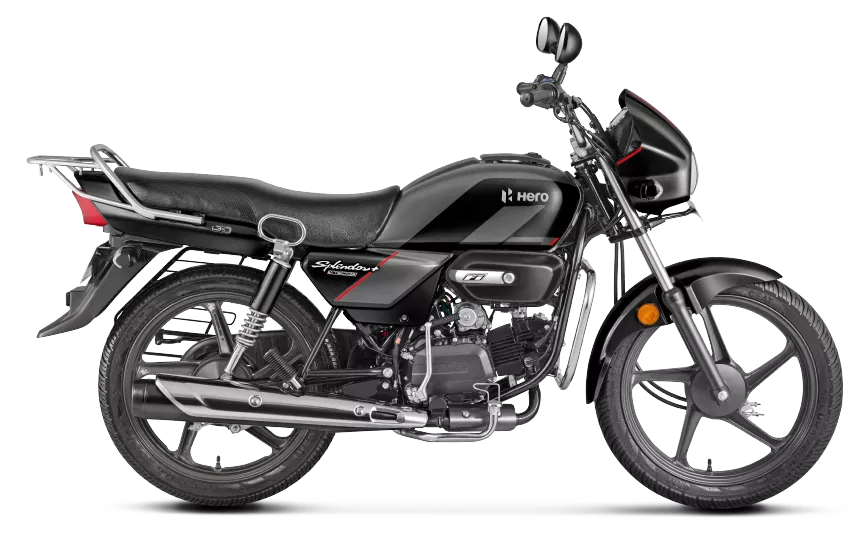
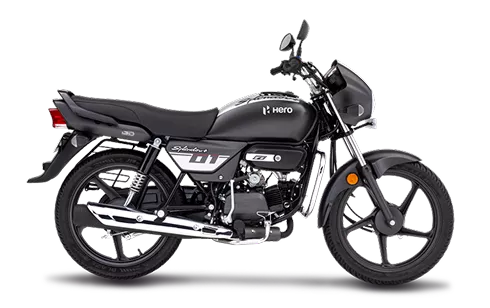
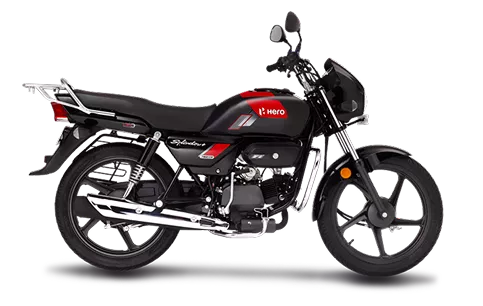
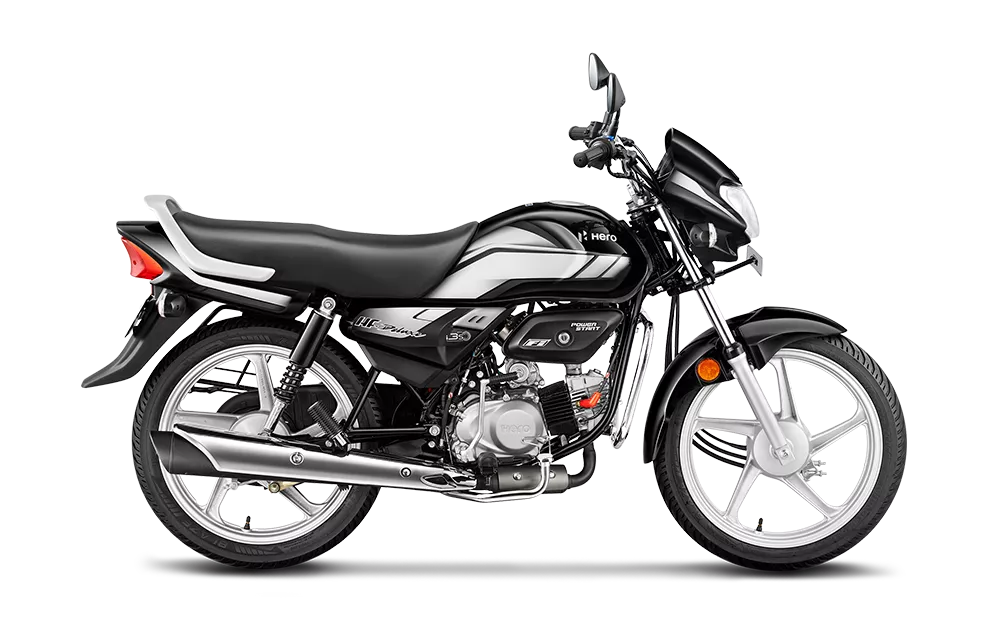
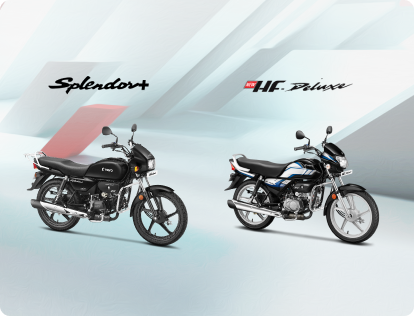
Our latest initiative focuses on creating motorcycles that are ready for the fuel of tomorrow. The company has introduced our first Flex Fuel Motorcycles, including the Splendor+ Flex Fuel and HF Deluxe Flex Fuel, developed at Hero's Centre for Innovation & Technology (CIT) in Jaipur.
These motorcycles combine the trusted reliability that we are known for with advanced engineering designed to support evolving fuel requirements.
The result is a commuter motorcycle platform built not only for today's roads but also for tomorrow's fuel ecosystem.
A flexible fuel motorcycle is designed to operate using different fuel blends, including fuels containing higher ethanol content.
Unlike traditional motorcycles that are optimised for standard petrol, flex fuel motorcycles can adapt to varying fuel compositions without compromising performance or reliability.
This flexibility provides several advantages.
First, it reduces dependence on conventional fossil fuels.
Second, it supports the use of renewable fuel alternatives.
Third, it can potentially help riders manage fuel costs more effectively as ethanol-blended fuels become more widely available across India.
For everyday commuters, this means greater fuel flexibility and future readiness.
India has been actively promoting ethanol blending as part of its broader energy and sustainability goals.
The country's push towards alternative fuel solutions aims to:
Flex fuel vehicles align perfectly with these objectives.
By enabling motorcycles to use a wider range of fuel blends, manufacturers can help create a more resilient and environmentally responsible transportation ecosystem.
Considering that millions of commuters rely on motorcycles every day, even small improvements in fuel flexibility can have a significant impact on the overall transportation landscape.
Many riders may initially view flex fuel technology as a future concept.
However, its benefits are highly practical.
Daily commuters typically prioritise:
Hero's Flex Fuel motorcycles have been designed with these priorities in mind.
Rather than reinventing the commuter motorcycle entirely, they build upon familiar and trusted platforms while introducing future-ready fuel compatibility.
This makes adoption much easier for everyday riders.
| Factor | Traditional Petrol Bike | Flex-Fuel Bike |
|---|---|---|
| Fuel Compatibility | Standard petrol | Multiple fuel blends, including higher ethanol blends |
| Fuel Choices | Limited | Greater flexibility as fuel options evolve |
| Dependence on Petrol | High | Potentially lower over time |
| Future Readiness | Designed for current fuel ecosystem | Built to adapt to future fuel developments |
| Sustainability Potential | Relies primarily on fossil fuels | Supports renewable fuel alternatives |
| Long-Term Value | Depends on petrol trends | May benefit from expanding ethanol infrastructure |
When discussing daily commuting in India, it is impossible to ignore the popularity of the 100cc bike category.
For decades, motorcycles in this segment have served as the backbone of personal transportation across urban and rural India.
Their popularity comes from a simple formula:
The introduction of flex fuel technology into this space is particularly significant because it directly targets the segment where fuel savings matter most.
For riders who use their motorcycles every day, even modest reductions in fuel expenses can add up substantially over time.
One of the biggest concerns riders have when new technology is introduced is reliability.
Fortunately, Hero has chosen a reassuring approach.
Instead of launching entirely unfamiliar products, the company has applied Flex Fuel technology to trusted motorcycle platforms such as the Splendor+ and HF Deluxe.
These motorcycles have built strong reputations over the years for durability, efficiency, and ease of ownership.
By combining proven reliability with future-ready engineering, Hero aims to create a smooth transition towards alternative fuel adoption.
This balance between innovation and trust is likely to play a major role in consumer acceptance.
The most interesting question is whether flex fuel motorcycles can actually reduce commuting costs.
While the answer depends on fuel pricing, availability, and policy developments, the potential is certainly there.
As ethanol-blended fuels become more accessible, riders may benefit from:
For millions of daily commuters, even small savings per litre can translate into meaningful monthly and yearly benefits.
This is especially relevant for high-mileage riders who depend on their motorcycles as a primary mode of transportation.
When people search for the best 100cc bike, they often look for a combination of fuel efficiency, reliability, affordability, and long-term value.
Flex fuel motorcycles have the potential to add another important factor to that list: future readiness.
Similarly, buyers researching 100cc bike price options may increasingly consider fuel flexibility as part of the overall ownership equation.
As fuel technologies evolve, motorcycles that can adapt to changing fuel landscapes may offer additional value compared to conventional alternatives.
For Indian commuters, that's an exciting prospect.
After all, when a technology has the potential to reduce costs, support sustainability, and improve fuel choices, it can change the economics of daily commuting itself.
What is a Flex Fuel motorcycle?


A Flex Fuel motorcycle is designed to run on different petrol-ethanol fuel blends, offering greater fuel flexibility and future readiness.
Which Hero motorcycles are available with Flex Fuel technology?
Hero MotoCorp has introduced the Splendor+ Flex Fuel and HF Deluxe Flex Fuel as part of its first Flex Fuel motorcycle range.
Can Flex Fuel bikes help reduce commuting costs?
Flex Fuel technology can potentially lower fuel expenses over time by supporting alternative fuel blends and reducing dependence on conventional petrol.
Are Flex Fuel motorcycles suitable for daily use?
Yes, Flex Fuel motorcycles are built for regular commuting while maintaining the reliability, efficiency, and practicality riders expect from commuter bikes.
Why is Flex Fuel technology important for the future?
Flex Fuel technology supports cleaner mobility, helps reduce dependence on imported fuels, and aligns with India's push toward sustainable transportation solutions.
What is a Flex Fuel motorcycle?
A Flex Fuel motorcycle is designed to run on different petrol-ethanol fuel blends, offering greater fuel flexibility and future readiness.
Which Hero motorcycles are available with Flex Fuel technology?
Hero MotoCorp has introduced the Splendor+ Flex Fuel and HF Deluxe Flex Fuel as part of its first Flex Fuel motorcycle range.
Can Flex Fuel bikes help reduce commuting costs?
Flex Fuel technology can potentially lower fuel expenses over time by supporting alternative fuel blends and reducing dependence on conventional petrol.
Are Flex Fuel motorcycles suitable for daily use?
Yes, Flex Fuel motorcycles are built for regular commuting while maintaining the reliability, efficiency, and practicality riders expect from commuter bikes.
Why is Flex Fuel technology important for the future?
Flex Fuel technology supports cleaner mobility, helps reduce dependence on imported fuels, and aligns with India's push toward sustainable transportation solutions.


 Angola
 Argentina
 Bangladesh
 Bolivia
 Colombia
 Costa Rica
 Dominican Republic
 DRC
DRC
 Ecuador
 El Salvador
 Ethiopia
 France
 GCC
GCC
 Germany
 Great Britain
 Guatemala
 Guinea
 Guyana
 Haiti
Haiti
 Honduras
 Italy
Italy
 Kenya
Kenya
 Madagascar
 Mexico
 Myanmar
 Nepal
Nepal
 Nicaragua
 Nigeria
 Panama
 Peru
Peru
 Philippines
 South Africa
 Spain
Spain
 Sri Lanka
 Tanzania
 Trinidad
 Turkey
 Uganda
 Zambia