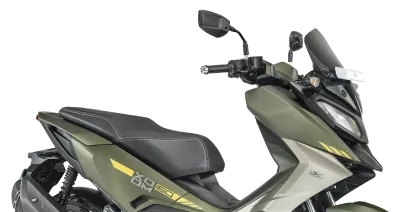
XTREME 250R
250 cc engine
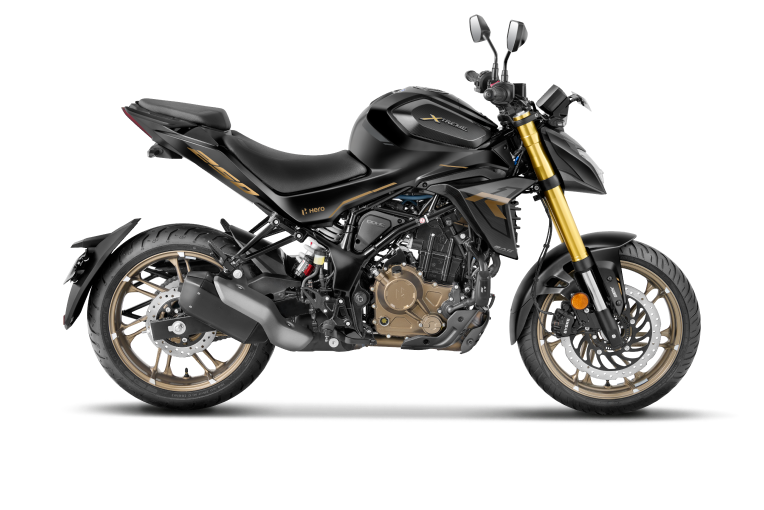
250 cc engine
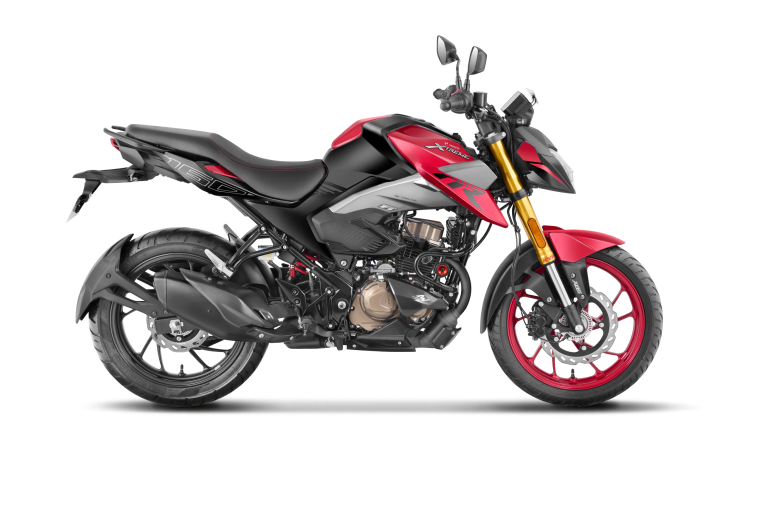
163.2 cc engine
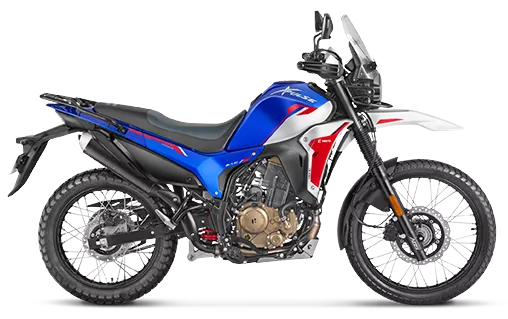
210 cc engine
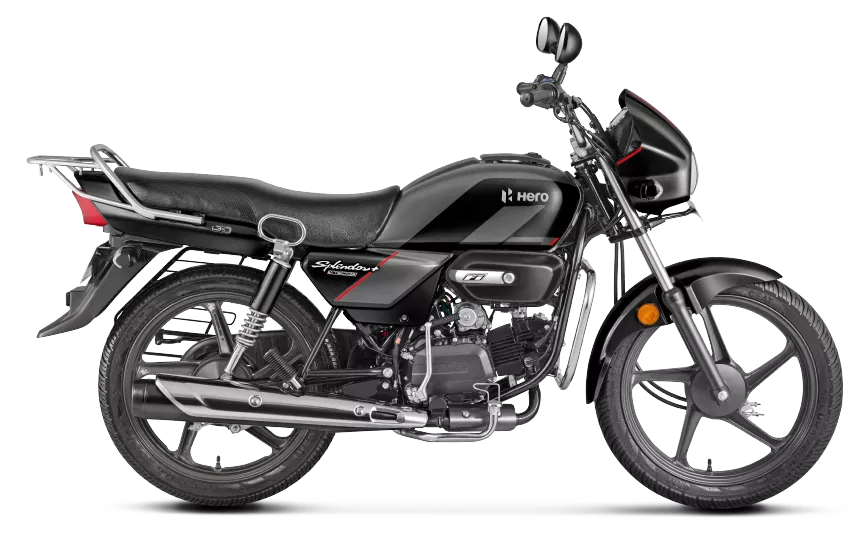
97.2 cc engine
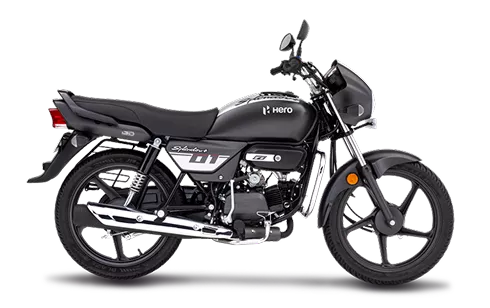
97.2 cc engine
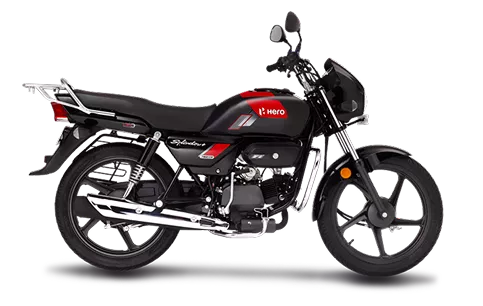
97.2 cc engine
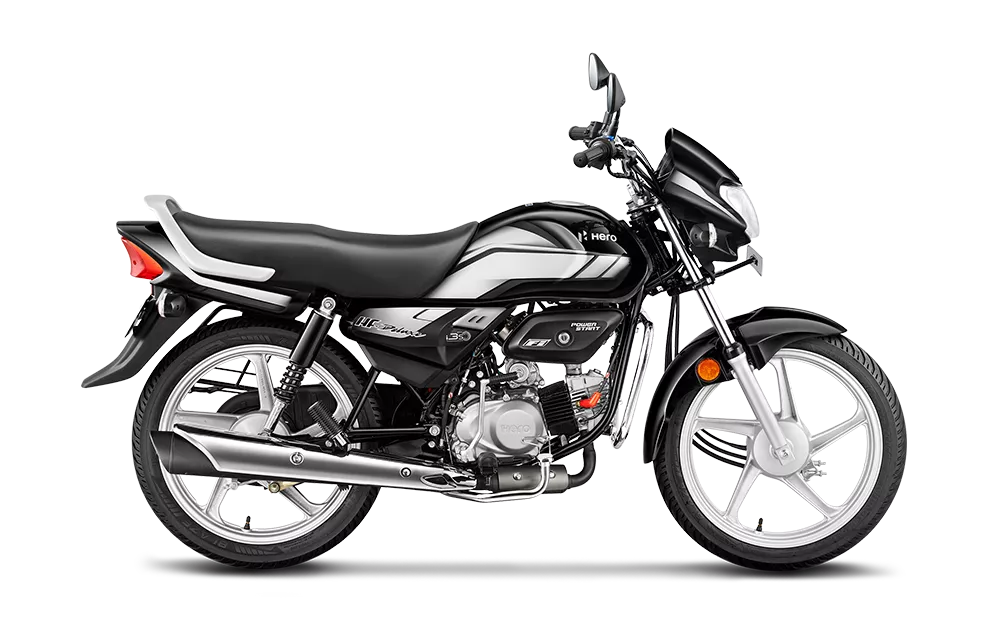
97.2 cc engine
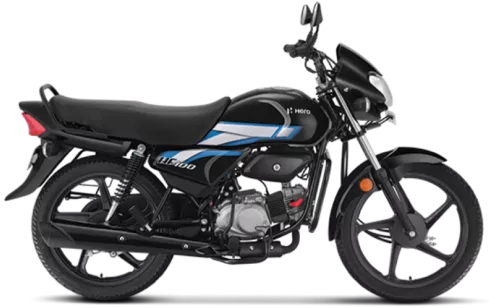
97.2 cc engine
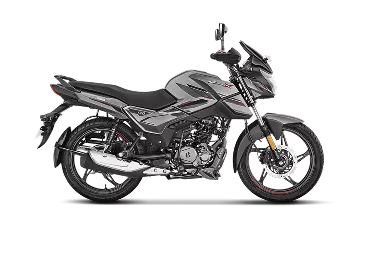
125 cc engine
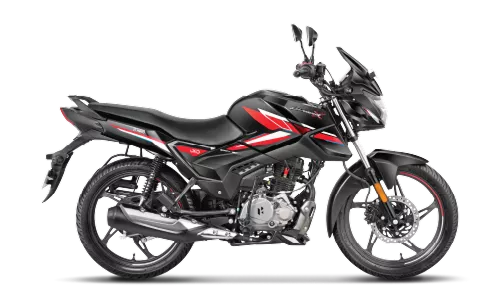
125 cc engine
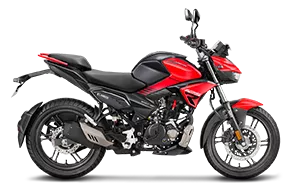
125 cc engine
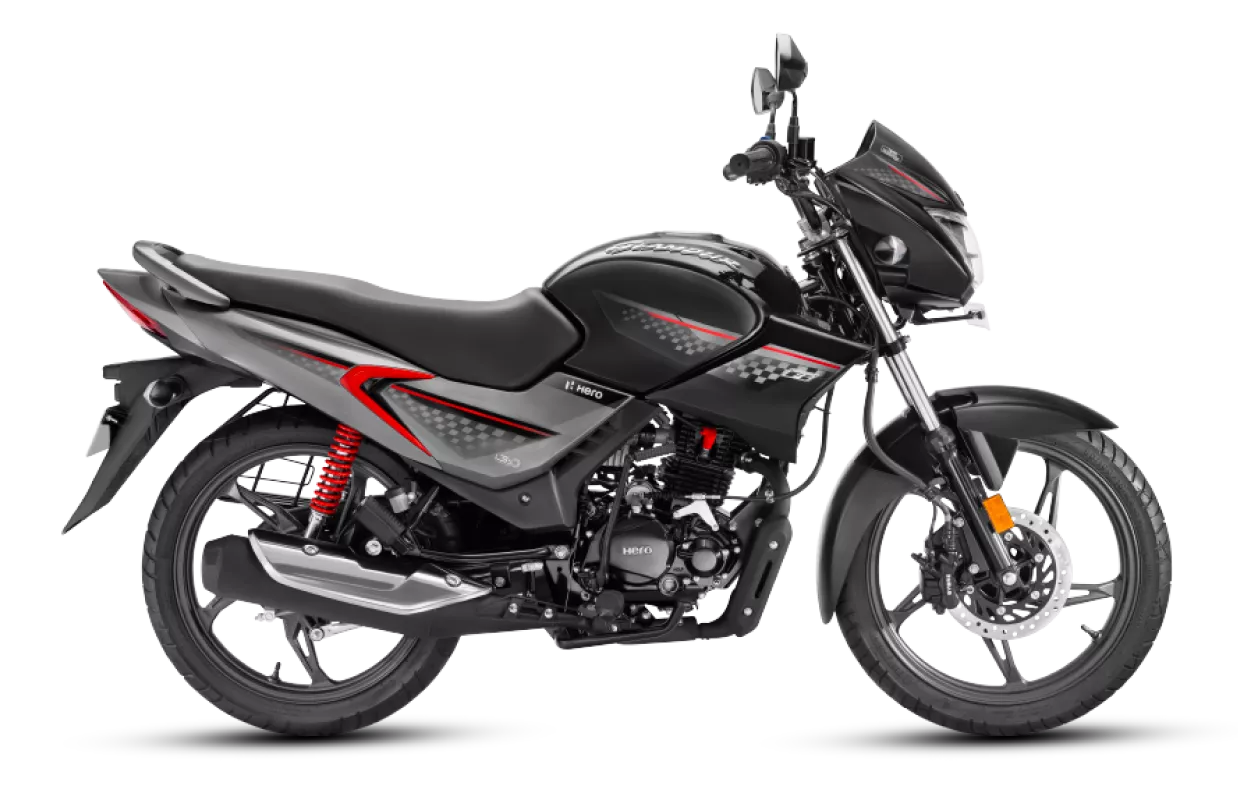
125 cc engine
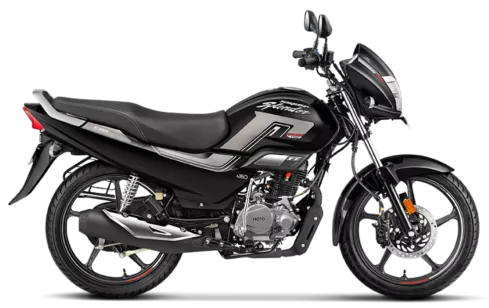
124.7 cc engine
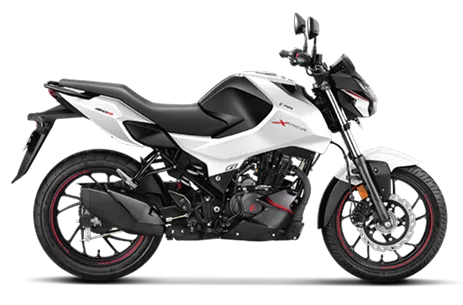
163.2 cc engine
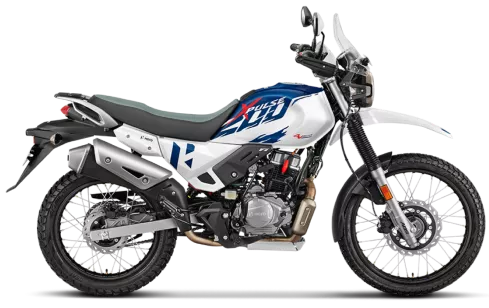
199.6 cc engine
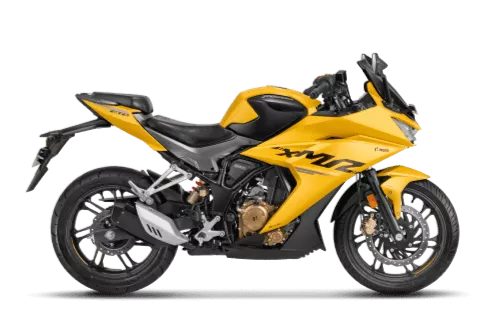
210 cc engine
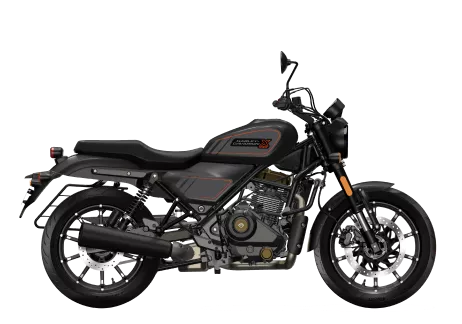
440 cc engine
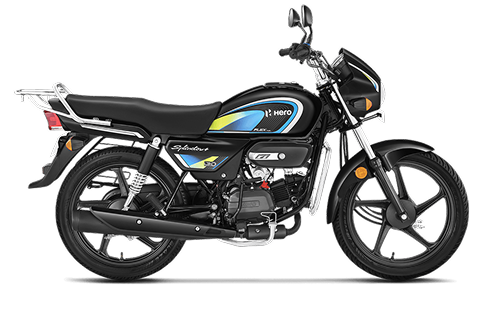
97.2 cc engine
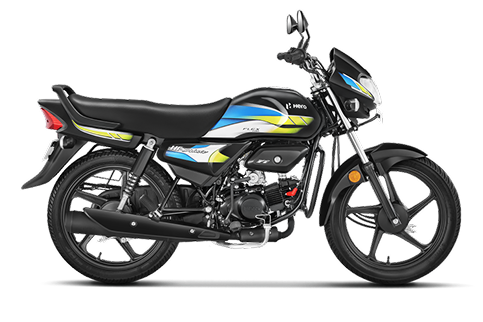
97.2 cc engine
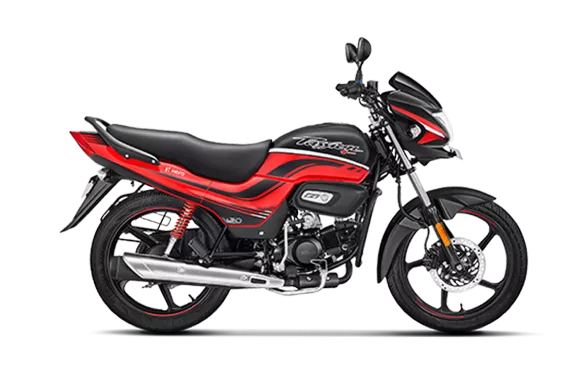
97.2 cc engine
124.7 cc engine
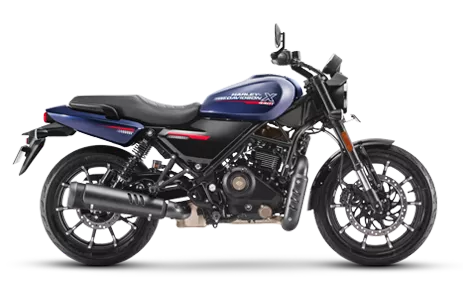
440 cc engine

250 cc
4 Stroke, 4 Valve, Single Cylinder Liquid Cooled, DOHC
25 nm
@7250 RPM
Starting ex-showroom price
Delhi, Delhi
163.2 cc
Air oil cooled, 4-stroke, Single cylinder, OHC
14.6 nm
@6500 RPM
Starting ex-showroom price
Delhi, Delhi
210 cc
4 Stroke 4 Valve Single Cylinder Liquid Cooled DOHC
20.7 nm
@7250 RPM
Starting ex-showroom price
Delhi, Delhi
97.2 cc
Air cooled, 4-stroke, Single cylinder, OHC
8.05 nm
@6000 RPM
Starting ex-showroom price
Delhi, Delhi
97.2 cc
Air cooled, 4-stroke, Single cylinder, OHC
8.05 nm
@6000 RPM
Starting ex-showroom price
Delhi, Delhi
97.2 cc
Air cooled, 4-stroke, Single cylinder, OHC
8.05 nm
@6000 RPM
Starting ex-showroom price
Delhi, Delhi
97.2 cc
Air cooled, 4-stroke, Single cylinder, OHC
8.05 nm
@6000 RPM
Starting ex-showroom price
Delhi, Delhi
97.2 cc
Air cooled, 4-stroke, Single cylinder, OHC
8.05 nm
@6000 RPM
Starting ex-showroom price
Delhi, Delhi
125 cc
Air cooled, 4-Stroke
8.5 kW
@8250 RPM
Starting ex-showroom price
Delhi, Delhi
125 cc
Air cooled, 4-Stroke
10.5 nm
@6500 RPM
Starting ex-showroom price
Delhi, Delhi
125 cc
5.7 sec, Acceleartion 0-60kmph
10.5 nm
@6500 RPM
Starting ex-showroom price
Delhi, Delhi
125 cc
Air cooled, 4-stroke, Single cylinder, OHC
10.6 nm
@6000 RPM
Starting ex-showroom price
Delhi, Delhi
124.7 cc
Air Cooled, 4-Stroke, OHC, Single Cylinder
10.6 nm
@6000 RPM
Starting ex-showroom price
Delhi, Delhi
163.2 cc
Air Cooled 4 stroke
14 nm
@6500 RPM
Starting ex-showroom price
Delhi, Delhi
199.6 cc
Oil Cooled, 4 stroke 4 Valve single cylinder OHC
17.35 nm
@6500 RPM
Starting ex-showroom price
Delhi, Delhi
210 cc
Liquid cooled, 4-stroke, Single cylinder, OHC
20.4 nm
@4000 RPM
Starting ex-showroom price
Delhi, Delhi
440 cc
Air cooled, 4-stroke, Single cylinder, OHC
38 nm
@4000 RPM
Starting ex-showroom price
Delhi, Delhi
97.2 cc
Air cooled, 4-stroke, Single cylinder, OHC
8.3 nm(with E85)
@ 6000 RPM
Starting ex-showroom price
Delhi, Delhi
97.2 cc
Air cooled, 4-stroke, Single cylinder, OHC
8.3 nm(with E85)
@ 6000 RPM
Starting ex-showroom price
Delhi, Delhi
97.2 cc
Air cooled, 4 stroke
8.05 nm
@6000 RPM
Starting ex-showroom price
Delhi, Delhi
124.7 cc
2V,Air cooled, 4 stroke single cylinder
10.6 nm
@ 6000 RPM
Starting ex-showroom price
Delhi, Delhi
440 cc
Air cooled, 4-stroke, Single cylinder, OHC
38 nm
@4000 RPM
Starting ex-showroom price
Delhi, Delhi

250 cc engine
163.2 cc engine
210 cc engine
97.2 cc engine
97.2 cc engine
97.2 cc engine
97.2 cc engine
97.2 cc engine
125 cc engine
125 cc engine
125 cc engine
125 cc engine
124.7 cc engine
163.2 cc engine
199.6 cc engine
210 cc engine
440 cc engine
97.2 cc engine
97.2 cc engine
97.2 cc engine
124.7 cc engine
440 cc engine
250 cc
4 Stroke, 4 Valve, Single Cylinder Liquid Cooled, DOHC
25 nm
@7250 RPM
163.2 cc
Air oil cooled, 4-stroke, Single cylinder, OHC
14.6 nm
@6500 RPM
210 cc
4 Stroke 4 Valve Single Cylinder Liquid Cooled DOHC
20.7 nm
@7250 RPM
97.2 cc
Air cooled, 4-stroke, Single cylinder, OHC
8.05 nm
@6000 RPM
97.2 cc
Air cooled, 4-stroke, Single cylinder, OHC
8.05 nm
@6000 RPM
97.2 cc
Air cooled, 4-stroke, Single cylinder, OHC
8.05 nm
@6000 RPM
97.2 cc
Air cooled, 4-stroke, Single cylinder, OHC
8.05 nm
@6000 RPM
97.2 cc
Air cooled, 4-stroke, Single cylinder, OHC
8.05 nm
@6000 RPM
125 cc
Air cooled, 4-Stroke
8.5 kW
@8250 RPM
125 cc
Air cooled, 4-Stroke
10.5 nm
@6500 RPM
125 cc
5.7 sec, Acceleartion 0-60kmph
10.5 nm
@6500 RPM
125 cc
Air cooled, 4-stroke, Single cylinder, OHC
10.6 nm
@6000 RPM
124.7 cc
Air Cooled, 4-Stroke, OHC, Single Cylinder
10.6 nm
@6000 RPM
163.2 cc
Air Cooled 4 stroke
14 nm
@6500 RPM
199.6 cc
Oil Cooled, 4 stroke 4 Valve single cylinder OHC
17.35 nm
@6500 RPM
210 cc
Liquid cooled, 4-stroke, Single cylinder, OHC
20.4 nm
@4000 RPM
440 cc
Air cooled, 4-stroke, Single cylinder, OHC
38 nm
@4000 RPM
97.2 cc
Air cooled, 4-stroke, Single cylinder, OHC
8.3 nm(with E85)
@ 6000 RPM
97.2 cc
Air cooled, 4-stroke, Single cylinder, OHC
8.3 nm(with E85)
@ 6000 RPM
97.2 cc
Air cooled, 4 stroke
8.05 nm
@6000 RPM
124.7 cc
2V,Air cooled, 4 stroke single cylinder
10.6 nm
@ 6000 RPM
440 cc
Air cooled, 4-stroke, Single cylinder, OHC
38 nm
@4000 RPM
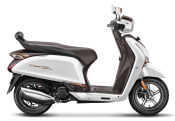
110 cc engine
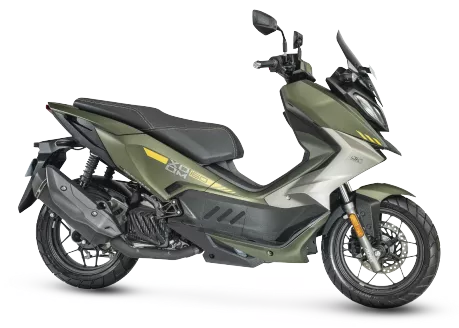
125 cc engine
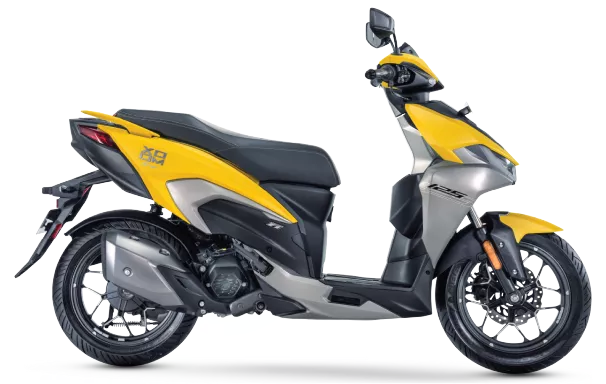
156 cc engine
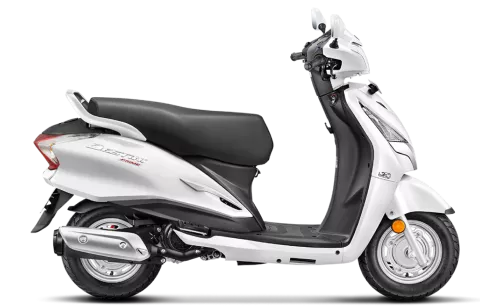
124.6 cc engine
124.6 cc engine
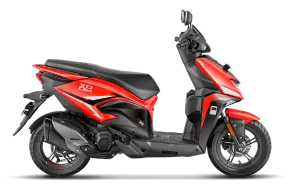
110.9 cc engine
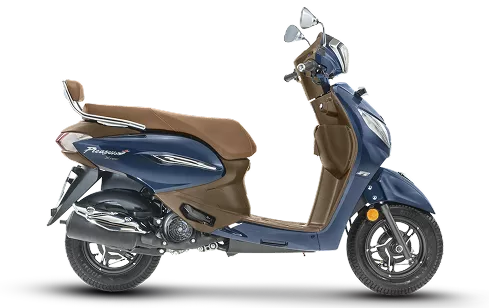
110.9 cc engine
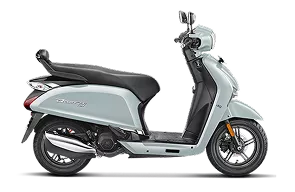
110 cc
Air Cooled, 4 stroke engine
8.7 nm
@5750 RPM
Starting ex-showroom price
Delhi, Delhi
125 cc
Air cooled, 4 stroke, SI engine
10.4 nm
@5500 RPM
Starting ex-showroom price
Delhi, Delhi
156 cc
Liquid cooled, 4 Valve single cylinder SOHC
14 nm
@6250 RPM
Starting ex-showroom price
Delhi, Delhi
124.6 cc
Air Cooled, 4 stroke, SI
10.4 nm
@6000 RPM
Starting ex-showroom price
Delhi, Delhi
124.6 cc
Air Cooled, 4-Stroke, SI Engine
10.36 nm
@5500 RPM
Starting ex-showroom price
Delhi, Delhi
110.9 cc
Air cooled, 4-stroke, SI engine
8.70 nm
@5750 RPM
Starting ex-showroom price
Delhi, Delhi
110.9 cc
Air cooled, 4-stroke Single Cylinder OHC
8.70 nm
@5500 RPM
Starting ex-showroom price
Delhi, Delhi
110 cc engine
125 cc engine
156 cc engine
124.6 cc engine
124.6 cc engine
110.9 cc engine
110.9 cc engine
110 cc
Air Cooled, 4 stroke engine
8.7 nm
@5750 RPM
125 cc
Air cooled, 4 stroke, SI engine
10.4 nm
@5500 RPM
156 cc
Liquid cooled, 4 Valve single cylinder SOHC
14 nm
@6250 RPM
124.6 cc
Air Cooled, 4 stroke, SI
10.4 nm
@6000 RPM
124.6 cc
Air Cooled, 4-Stroke, SI Engine
10.36 nm
@5500 RPM
110.9 cc
Air cooled, 4-stroke, SI engine
8.70 nm
@5750 RPM
110.9 cc
Air cooled, 4-stroke Single Cylinder OHC
8.70 nm
@5500 RPM
Buying a motorcycle often comes down to personal taste. Some riders value simplicity, while others look for more performance and flair. Both serve the purpose, just in different ways.
When it comes to motorcycles, the same debate plays out between 100–125 cc commuter bikes and punchier 150–160 cc bikes. One promises unbeatable fuel economy and low running costs, while the other tempts you with power, better hardware, and a grin every time you twist the throttle. Somewhere between rising fuel prices and crowded city roads, riders often ask, 'Is the upgrade really worth it?
If you’re considering a sporty commuter like the Xtreme 160R lineup, you’re probably wondering whether the extra fuel cost justifies the added performance, comfort, and fun, especially if most of your riding happens in the city and on uneven Indian roads. This question becomes even more relevant when bikes in this segment are often considered among the best 160cc bikes for city riding in India, blending daily usability with a sporty edge.
The biggest argument in favour of 100–125 cc bikes has always been mileage. A typical commuter in this category can deliver 55-70 kmpl in real-world riding. That’s wallet-friendly, predictable, and perfect for long daily commutes.
A 150–160 cc bike, on the other hand, typically delivers 50–60 kmpl, depending on riding style and traffic conditions. On paper, that’s a noticeable dip. Over a month of riding, you may spend a few hundred rupees more on fuel.
But here’s the thing: fuel cost is only one part of the ownership equation; what you get in return matters just as much.
This is where the difference becomes immediately noticeable.
A 100–125 cc bike is designed to be calm and composed. It’ll get you from one place to another efficiently, but overtaking requires planning, and highways can feel stressful.
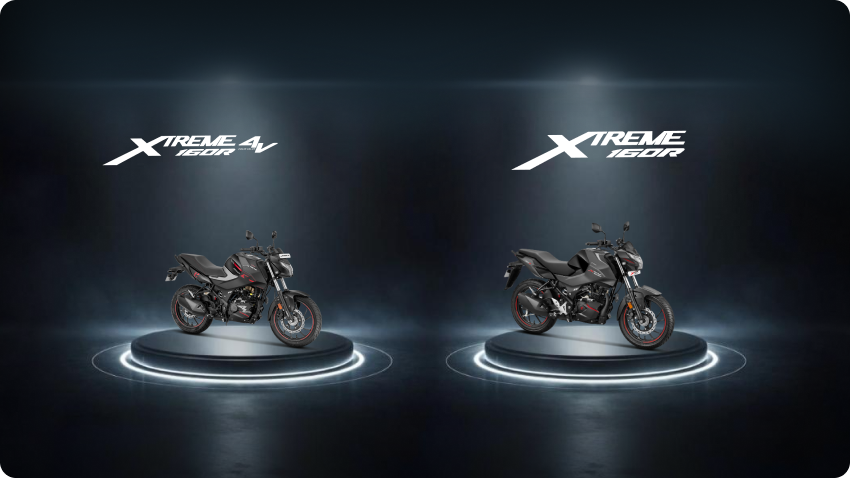
Now, consider the Xtreme 160R range.
The Xtreme 160R 4V features a 163.2 cc engine that delivers strong mid-range power, making city overtakes effortless. You don’t have to downshift aggressively or wring the throttle just to move ahead of traffic. The engine feels relaxed even at higher speeds, which reduces rider fatigue.
The standard Xtreme 160R, also powered by a 163.2 cc engine, offers similar everyday performance but with a slightly more commuter-friendly character. Both versions strike a balance between excitement and practicality, something smaller commuters simply can’t match.
If you’ve ever ridden on patchy roads, surprise speed breakers, or pothole-filled streets, you know suspension quality matters more than spec sheets.
The Xtreme 160R 4V features KYB upside-down forks (37 mm diameter) at the front. These forks offer superior front-end stability, better shock absorption, and improved control when braking or cornering on broken roads. At the rear, you get a 7-step adjustable monoshock, allowing riders to tweak comfort based on load or riding style.
The standard Xtreme 160R uses 37 mm telescopic forks at the front, paired with the same 7-step adjustable monoshock at the rear. While simpler, this setup still delivers a comfortable and confidence-inspiring ride for daily use.
This difference becomes crucial once you’ve ridden both commuter bikes and sportier machines back-to-back. After spending time on a well-suspended motorcycle, going back to a basic commuter feels like a downgrade, especially on Indian roads.
It’s also why in this segment are bikes with the best suspension for Indian roads, offering stability without sacrificing comfort.
Once you pass the initial 200–300 km of ownership, your priorities shift. Comfort, stability, braking confidence, and ride quality matter more than squeezing out every last kilometre per litre.
This is where 150–160 cc bikes shine, especially given their pricing. Many models sit comfortably within budgets that once belonged exclusively to commuters. In fact, some of these motorcycles even feature safety tech like ABS, placing them in conversations about affordable ABS-equipped bikes under 1.5 lakh, a category that’s growing rapidly.
For riders upgrading from a 100–125 cc bike, the difference feels dramatic. The bike feels planted at higher speeds, more forgiving over bad roads, and significantly more enjoyable overall.
A common myth is that 150–160 cc bikes are “too much” for daily commuting. In reality, modern engines are refined enough to handle stop-and-go traffic without complaint.
The Xtreme 160R range is a great example. Light clutch action, predictable throttle response, and balanced ergonomics make them surprisingly city-friendly. At the same time, they’re happy to stretch their legs on open roads—something commuters struggle with.
This dual personality is precisely why many buyers now skip the 125 cc segment altogether and jump straight to 160 cc bikes when shopping among top bikes under 1 lakh in India in 2025.
Another concern with larger engines is maintenance costs. While it’s true that 150–160 cc bikes may have slightly higher service bills than 100 cc commuters, the difference isn’t massive.
Modern service intervals, reliable engine designs, and readily available spares keep ownership manageable. When balanced against improved comfort, safety, and performance, the extra cost feels justified rather than burdensome.
If your priority is absolute minimum running cost and purely functional commuting, a 100–125 cc bike still makes sense. They’re efficient, dependable, and cost-effective.
But if you want a motorcycle that:
Then a 150–160 cc bike is absolutely worth the extra fuel cost.
The Xtreme 160R and Xtreme 160R 4V prove that you don’t have to choose between practicality and performance anymore. You can have both and enjoy every ride a little more.
1. Does a 150–160 cc bike consume a lot more fuel than a commuter bike?


Not significantly. While fuel efficiency is slightly lower than 100–125 cc bikes, the difference is often slight in real-world city riding.
2. Are 150–160 cc bikes suitable for daily office commuting?
Yes, modern 150–160 cc bikes are designed to handle stop-and-go traffic comfortably while offering better performance and ride quality.
3. Is maintenance more expensive for 160 cc bikes?
Maintenance costs are marginally higher, but service intervals and spare parts remain affordable for the most popular models.
4. Do bikes like the Xtreme 160R feel heavy for new riders?
No, they are well-balanced and lightweight, making them manageable even for riders upgrading from smaller commuter bikes.
5. Which type of rider benefits most from upgrading to a 150–160 cc bike?
Riders who want better overtaking power, improved suspension, and a more enjoyable ride without sacrificing daily practicality benefit most.
1. Does a 150–160 cc bike consume a lot more fuel than a commuter bike?
Not significantly. While fuel efficiency is slightly lower than 100–125 cc bikes, the difference is often slight in real-world city riding.
2. Are 150–160 cc bikes suitable for daily office commuting?
Yes, modern 150–160 cc bikes are designed to handle stop-and-go traffic comfortably while offering better performance and ride quality.
3. Is maintenance more expensive for 160 cc bikes?
Maintenance costs are marginally higher, but service intervals and spare parts remain affordable for the most popular models.
4. Do bikes like the Xtreme 160R feel heavy for new riders?
No, they are well-balanced and lightweight, making them manageable even for riders upgrading from smaller commuter bikes.
5. Which type of rider benefits most from upgrading to a 150–160 cc bike?
Riders who want better overtaking power, improved suspension, and a more enjoyable ride without sacrificing daily practicality benefit most.


 Angola
 Argentina
 Bangladesh
 Bolivia
 Colombia
 Costa Rica
 Dominican Republic
 DRC
DRC
 Ecuador
 El Salvador
 Ethiopia
 France
 GCC
GCC
 Germany
 Great Britain
 Guatemala
 Guinea
 Guyana
 Haiti
Haiti
 Honduras
 Italy
Italy
 Kenya
Kenya
 Madagascar
 Mexico
 Myanmar
 Nepal
Nepal
 Nicaragua
 Nigeria
 Panama
 Peru
Peru
 Philippines
 South Africa
 Spain
Spain
 Sri Lanka
 Tanzania
 Trinidad
 Turkey
 Uganda
 Zambia