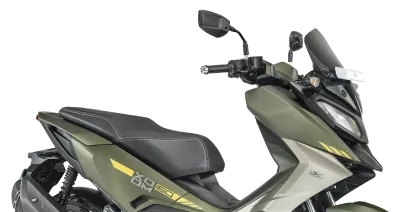
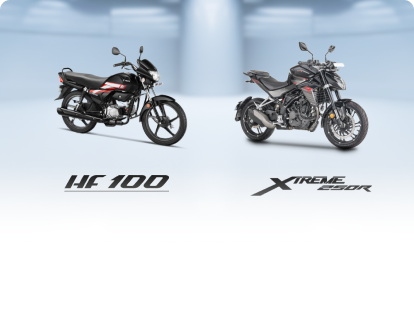
XTREME 250R
250 cc engine
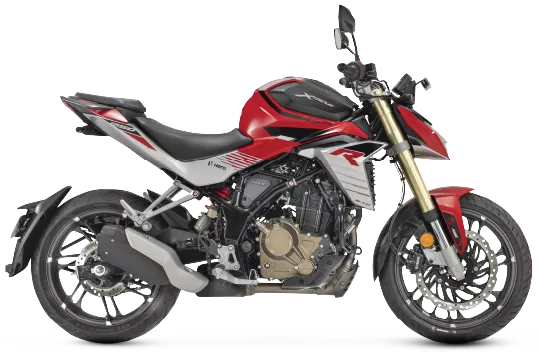
250 cc engine
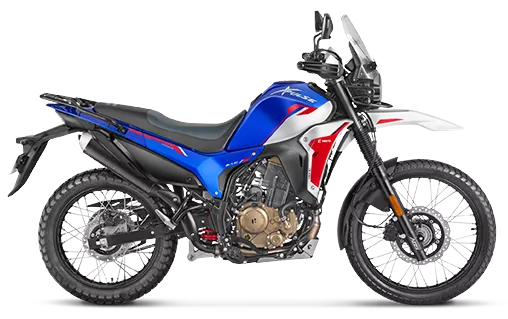
210 cc engine
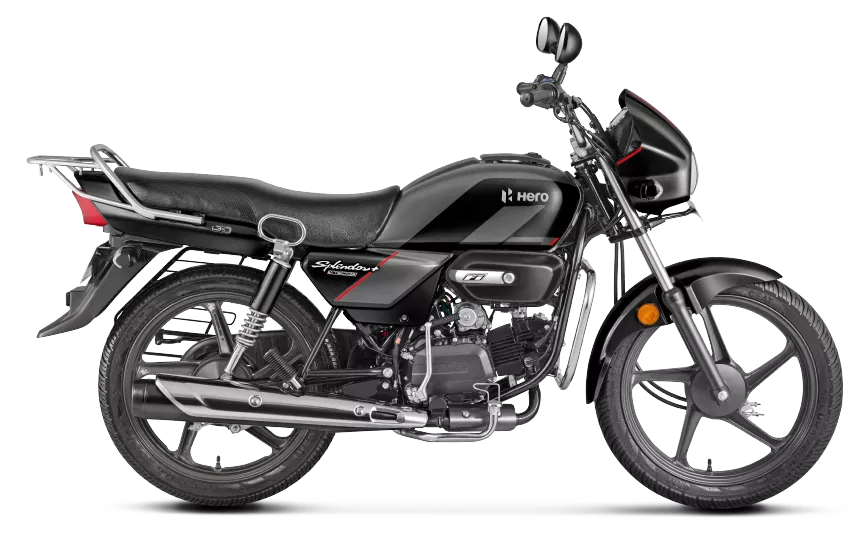
97.2 cc engine
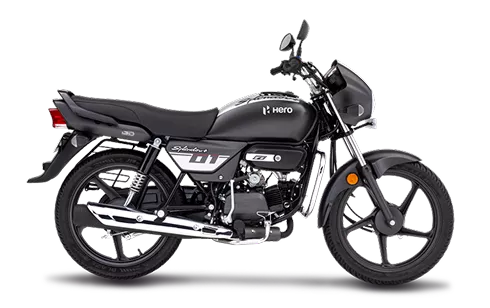
97.2 cc engine
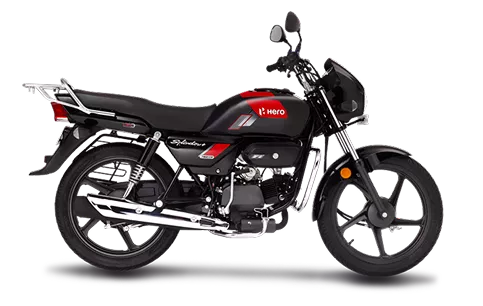
97.2 cc engine
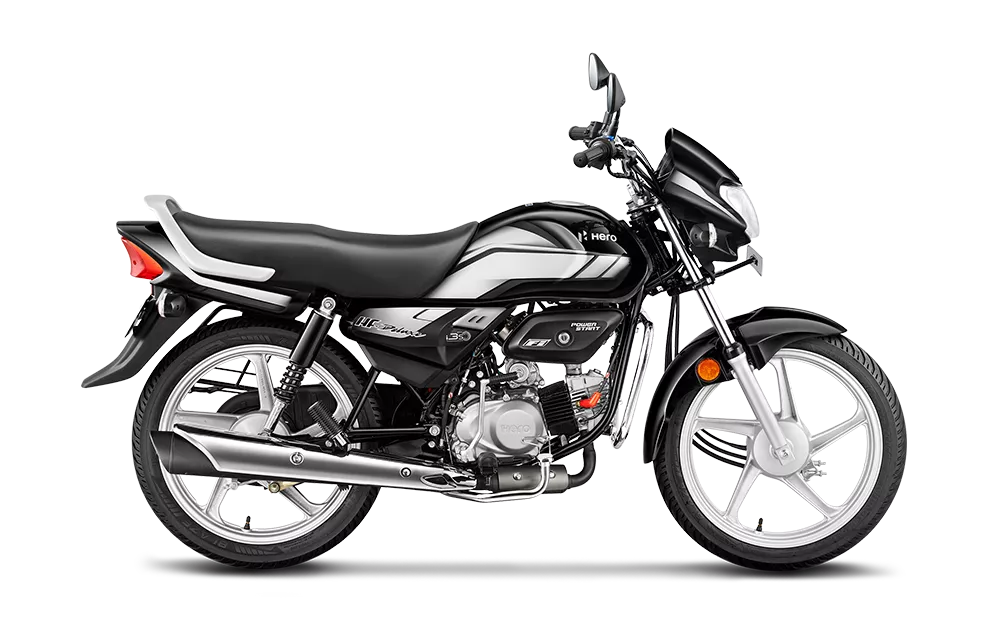
97.2 cc engine
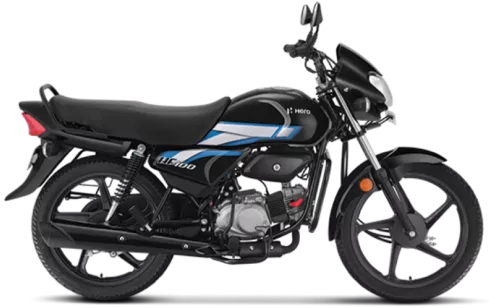
97.2 cc engine
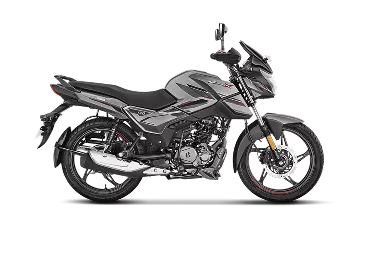
125 cc engine
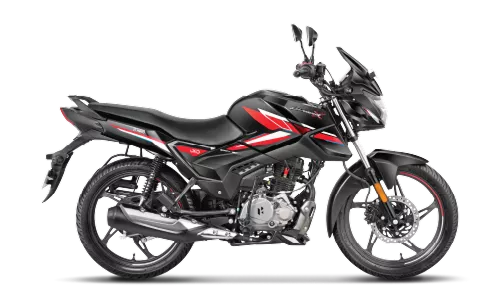
125 cc engine
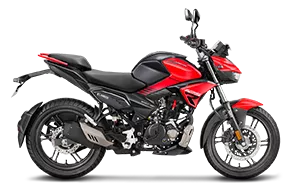
125 cc engine
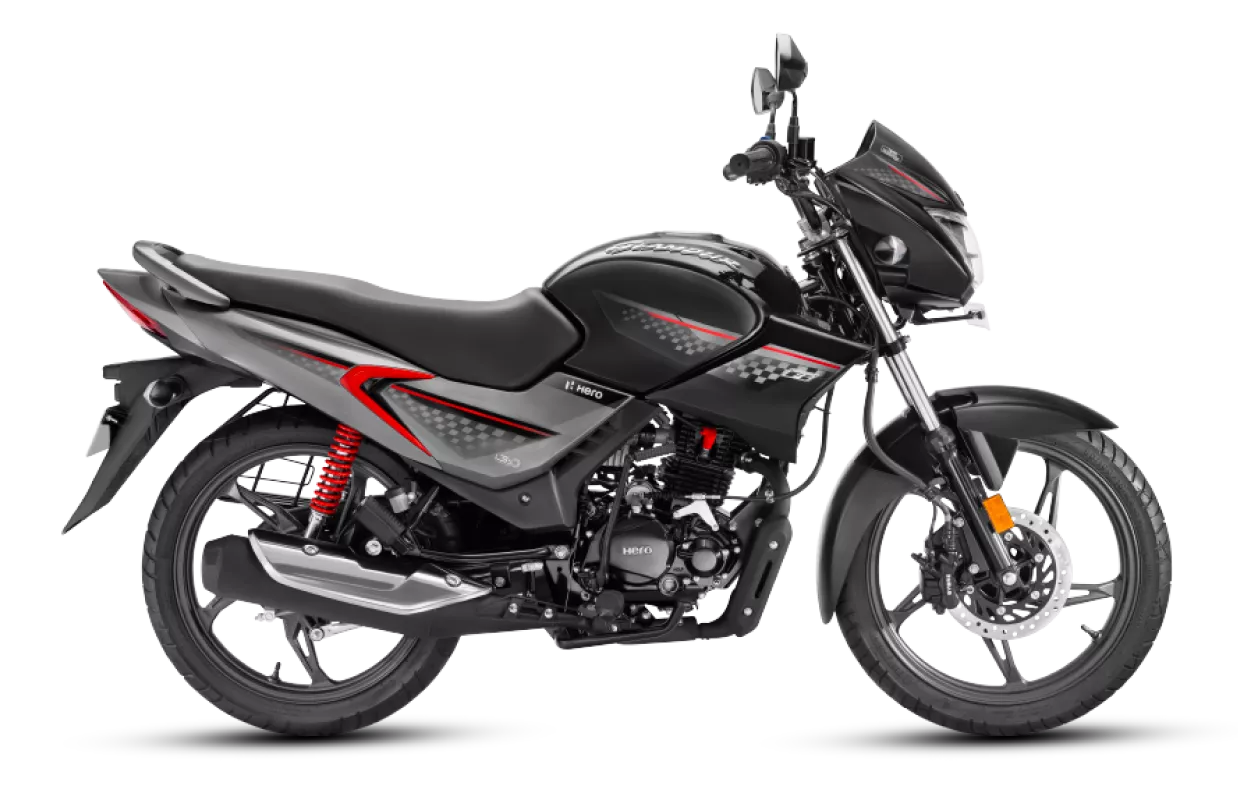
125 cc engine
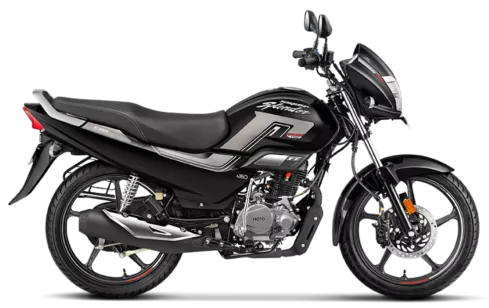
124.7 cc engine
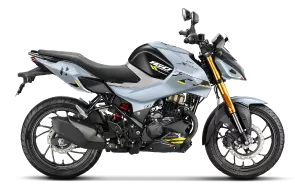
163.2 cc engine
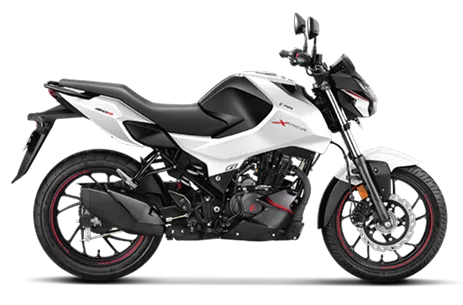
163.2 cc engine
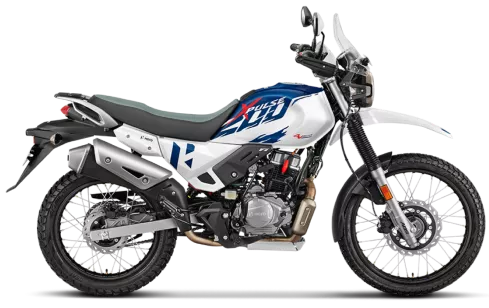
199.6 cc engine
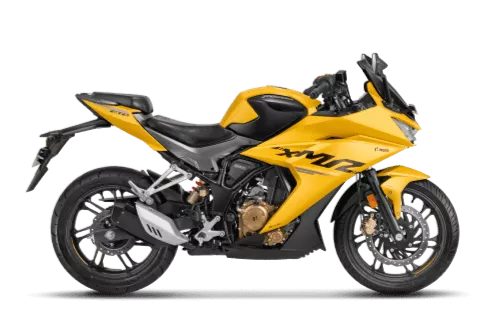
210 cc engine
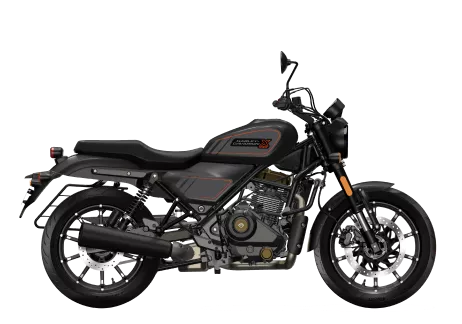
440 cc engine
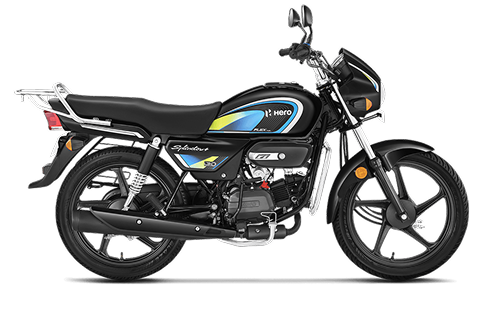
97.2 cc engine
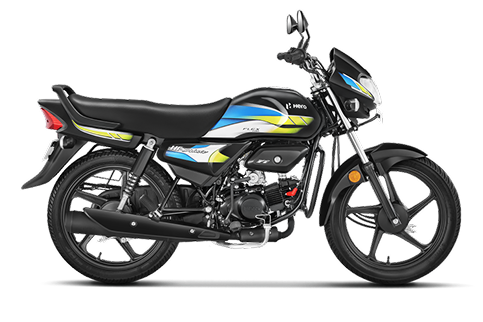
97.2 cc engine
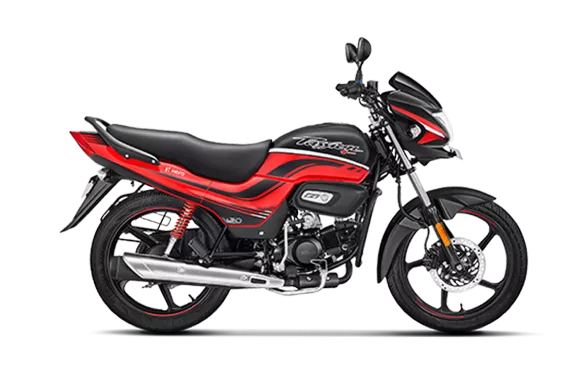
97.2 cc engine
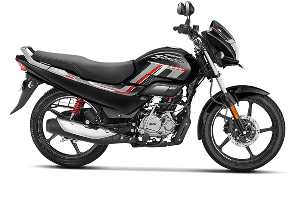
124.7 cc engine
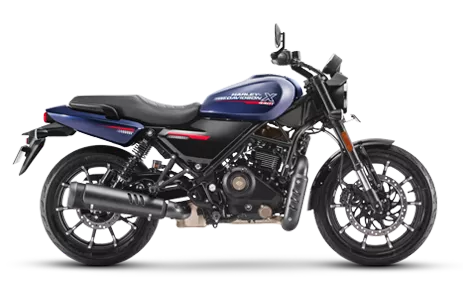
440 cc engine

250 cc
4 Stroke, 4 Valve, Single Cylinder Liquid Cooled, DOHC
25 nm
@7250 RPM
Starting ex-showroom price
Delhi, Delhi
210 cc
4 Stroke 4 Valve Single Cylinder Liquid Cooled DOHC
20.7 nm
@7250 RPM
Starting ex-showroom price
Delhi, Delhi
97.2 cc
Air cooled, 4-stroke, Single cylinder, OHC
8.05 nm
@6000 RPM
Starting ex-showroom price
Delhi, Delhi
97.2 cc
Air cooled, 4-stroke, Single cylinder, OHC
8.05 nm
@6000 RPM
Starting ex-showroom price
Delhi, Delhi
97.2 cc
Air cooled, 4-stroke, Single cylinder, OHC
8.05 nm
@6000 RPM
Starting ex-showroom price
Delhi, Delhi
97.2 cc
Air cooled, 4-stroke, Single cylinder, OHC
8.05 nm
@6000 RPM
Starting ex-showroom price
Delhi, Delhi
97.2 cc
Air cooled, 4-stroke, Single cylinder, OHC
8.05 nm
@6000 RPM
Starting ex-showroom price
Delhi, Delhi
125 cc
Air cooled, 4-Stroke
8.5 kW
@8250 RPM
Starting ex-showroom price
Delhi, Delhi
125 cc
Air cooled, 4-Stroke
10.5 nm
@6500 RPM
Starting ex-showroom price
Delhi, Delhi
125 cc
5.7 sec, Acceleartion 0-60kmph
10.5 nm
@6500 RPM
Starting ex-showroom price
Delhi, Delhi
125 cc
Air cooled, 4-stroke, Single cylinder, OHC
10.6 nm
@6000 RPM
Starting ex-showroom price
Delhi, Delhi
124.7 cc
Air Cooled, 4-Stroke, OHC, Single Cylinder
10.6 nm
@6000 RPM
Starting ex-showroom price
Delhi, Delhi
163.2 cc
Air oil cooled, 4-stroke, Single cylinder, OHC
14.6 nm
@6500 RPM
Starting ex-showroom price
Delhi, Delhi
163.2 cc
Air Cooled 4 stroke
14 nm
@6500 RPM
Starting ex-showroom price
Delhi, Delhi
199.6 cc
Oil Cooled, 4 stroke 4 Valve single cylinder OHC
17.35 nm
@6500 RPM
Starting ex-showroom price
Delhi, Delhi
210 cc
Liquid cooled, 4-stroke, Single cylinder, OHC
20.4 nm
@4000 RPM
Starting ex-showroom price
Delhi, Delhi
440 cc
Air cooled, 4-stroke, Single cylinder, OHC
38 nm
@4000 RPM
Starting ex-showroom price
Delhi, Delhi
97.2 cc
Air cooled, 4-stroke, Single cylinder, OHC
8.3 nm(with E85)
@ 6000 RPM
Starting ex-showroom price
Delhi, Delhi
97.2 cc
Air cooled, 4-stroke, Single cylinder, OHC
8.3 nm(with E85)
@ 6000 RPM
Starting ex-showroom price
Delhi, Delhi
97.2 cc
Air cooled, 4 stroke
8.05 nm
@6000 RPM
Starting ex-showroom price
Delhi, Delhi
124.7 cc
2V,Air cooled, 4 stroke single cylinder
10.6 nm
@ 6000 RPM
Starting ex-showroom price
Delhi, Delhi
440 cc
Air cooled, 4-stroke, Single cylinder, OHC
38 nm
@4000 RPM
Starting ex-showroom price
Delhi, Delhi

250 cc engine
210 cc engine
97.2 cc engine
97.2 cc engine
97.2 cc engine
97.2 cc engine
97.2 cc engine
125 cc engine
125 cc engine
125 cc engine
125 cc engine
124.7 cc engine
163.2 cc engine
163.2 cc engine
199.6 cc engine
210 cc engine
440 cc engine
97.2 cc engine
97.2 cc engine
97.2 cc engine
124.7 cc engine
440 cc engine
250 cc
4 Stroke, 4 Valve, Single Cylinder Liquid Cooled, DOHC
25 nm
@7250 RPM
210 cc
4 Stroke 4 Valve Single Cylinder Liquid Cooled DOHC
20.7 nm
@7250 RPM
97.2 cc
Air cooled, 4-stroke, Single cylinder, OHC
8.05 nm
@6000 RPM
97.2 cc
Air cooled, 4-stroke, Single cylinder, OHC
8.05 nm
@6000 RPM
97.2 cc
Air cooled, 4-stroke, Single cylinder, OHC
8.05 nm
@6000 RPM
97.2 cc
Air cooled, 4-stroke, Single cylinder, OHC
8.05 nm
@6000 RPM
97.2 cc
Air cooled, 4-stroke, Single cylinder, OHC
8.05 nm
@6000 RPM
125 cc
Air cooled, 4-Stroke
8.5 kW
@8250 RPM
125 cc
Air cooled, 4-Stroke
10.5 nm
@6500 RPM
125 cc
5.7 sec, Acceleartion 0-60kmph
10.5 nm
@6500 RPM
125 cc
Air cooled, 4-stroke, Single cylinder, OHC
10.6 nm
@6000 RPM
124.7 cc
Air Cooled, 4-Stroke, OHC, Single Cylinder
10.6 nm
@6000 RPM
163.2 cc
Air oil cooled, 4-stroke, Single cylinder, OHC
14.6 nm
@6500 RPM
163.2 cc
Air Cooled 4 stroke
14 nm
@6500 RPM
199.6 cc
Oil Cooled, 4 stroke 4 Valve single cylinder OHC
17.35 nm
@6500 RPM
210 cc
Liquid cooled, 4-stroke, Single cylinder, OHC
20.4 nm
@4000 RPM
440 cc
Air cooled, 4-stroke, Single cylinder, OHC
38 nm
@4000 RPM
97.2 cc
Air cooled, 4-stroke, Single cylinder, OHC
8.3 nm(with E85)
@ 6000 RPM
97.2 cc
Air cooled, 4-stroke, Single cylinder, OHC
8.3 nm(with E85)
@ 6000 RPM
97.2 cc
Air cooled, 4 stroke
8.05 nm
@6000 RPM
124.7 cc
2V,Air cooled, 4 stroke single cylinder
10.6 nm
@ 6000 RPM
440 cc
Air cooled, 4-stroke, Single cylinder, OHC
38 nm
@4000 RPM
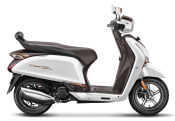
110 cc engine
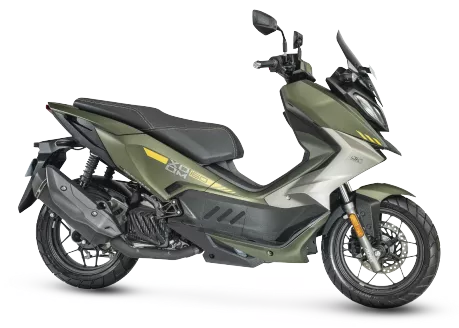
125 cc engine
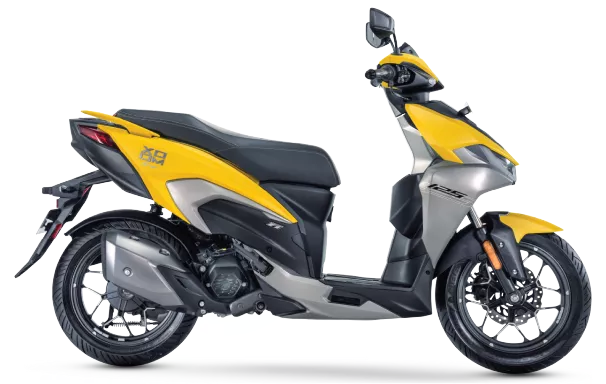
156 cc engine
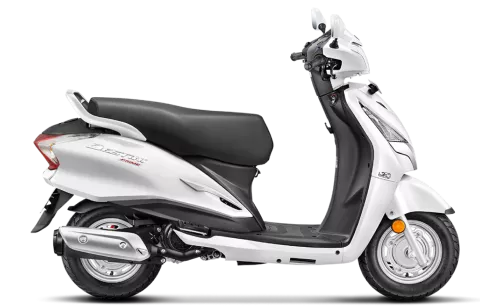
124.6 cc engine
124.6 cc engine
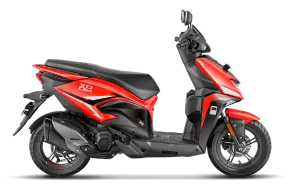
110.9 cc engine
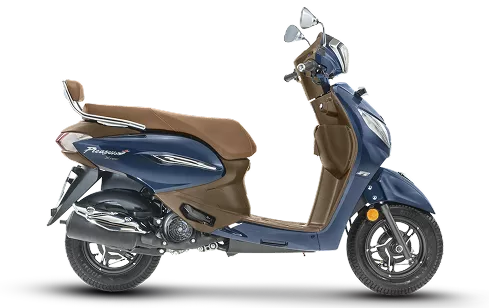
110.9 cc engine
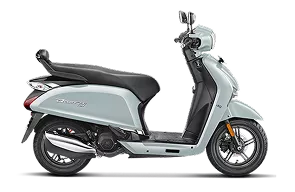
110 cc
Air Cooled, 4 stroke engine
8.7 nm
@5750 RPM
Starting ex-showroom price
Delhi, Delhi
125 cc
Air cooled, 4 stroke, SI engine
10.4 nm
@5500 RPM
Starting ex-showroom price
Delhi, Delhi
156 cc
Liquid cooled, 4 Valve single cylinder SOHC
14 nm
@6250 RPM
Starting ex-showroom price
Delhi, Delhi
124.6 cc
Air Cooled, 4 stroke, SI
10.4 nm
@6000 RPM
Starting ex-showroom price
Delhi, Delhi
124.6 cc
Air Cooled, 4-Stroke, SI Engine
10.36 nm
@5500 RPM
Starting ex-showroom price
Delhi, Delhi
110.9 cc
Air cooled, 4-stroke, SI engine
8.70 nm
@5750 RPM
Starting ex-showroom price
Delhi, Delhi
110.9 cc
Air cooled, 4-stroke Single Cylinder OHC
8.70 nm
@5500 RPM
Starting ex-showroom price
Delhi, Delhi
110 cc engine
125 cc engine
156 cc engine
124.6 cc engine
124.6 cc engine
110.9 cc engine
110.9 cc engine
110 cc
Air Cooled, 4 stroke engine
8.7 nm
@5750 RPM
125 cc
Air cooled, 4 stroke, SI engine
10.4 nm
@5500 RPM
156 cc
Liquid cooled, 4 Valve single cylinder SOHC
14 nm
@6250 RPM
124.6 cc
Air Cooled, 4 stroke, SI
10.4 nm
@6000 RPM
124.6 cc
Air Cooled, 4-Stroke, SI Engine
10.36 nm
@5500 RPM
110.9 cc
Air cooled, 4-stroke, SI engine
8.70 nm
@5750 RPM
110.9 cc
Air cooled, 4-stroke Single Cylinder OHC
8.70 nm
@5500 RPM
Indian riding conditions change with the season, and every shift brings its own demands on both rider and machine. From colder winter mornings to wet roads and reduced visibility, seasonal transitions affect safety, maintenance and overall control.
At Hero MotoCorp, our engineering philosophy is shaped by how two-wheelers are actually used across Indian roads, climates and riding habits. That makes two-wheeler care during winter season and informed riding choices essential to long-term performance and rider confidence.
Winter riding may appear gentler on engines, but cooler temperatures influence multiple mechanical and riding factors. During the winter season, engine oil circulation takes slightly longer, tyres offer different grip characteristics, and visibility often reduces during early morning and evening hours.
We recommend allowing the engine a brief warm-up before starting your ride. This supports smoother throttle response and consistent lubrication. Tyre pressure should also be checked more frequently, as colder air can lead to minor pressure drops that affect stability and braking.
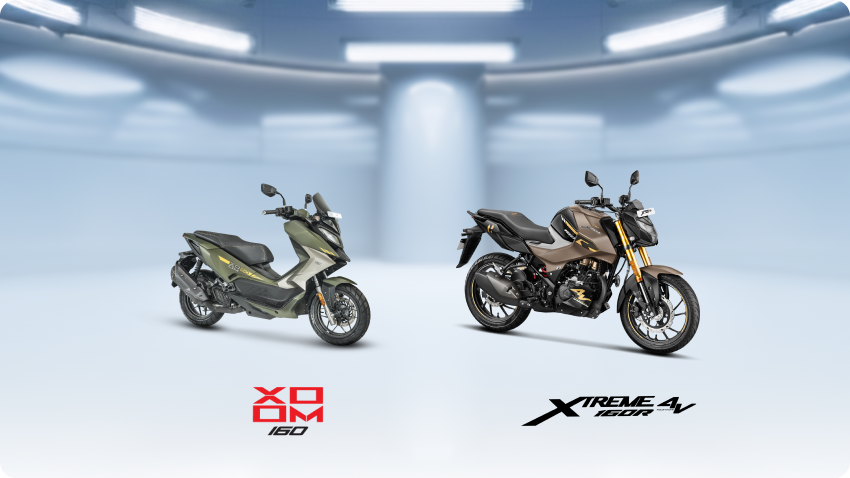
Visibility becomes especially critical during winter. The Xoom 160 addresses this with its dual chamber LED headlamp, designed to deliver focused illumination with a wider spread. This improves road visibility while ensuring the rider remains clearly visible to other road users during foggy or low-light conditions.
Seasonal changes often impact battery performance, particularly during winter when shorter rides and frequent starts place additional load on the electrical system. Following simple tips to maintain bike battery life helps avoid unexpected issues.
Regular usage keeps the battery charged and healthy. If a two-wheeler remains unused for extended periods, starting the engine periodically helps maintain charge levels. Clean terminals and secure connections also play a role in preventing voltage loss.
Modern two-wheelers rely on electronics for safety and performance features, including ABS systems, riding modes and electronic throttle response. A well-maintained battery ensures these systems perform reliably across seasons.
Choosing between a scooter and a motorcycle depends on riding needs, terrain and personal comfort. When considering scooter vs bike – which one should you buy, it helps to understand how each is designed to serve different riding styles.
Scooters like the Xoom 160 are engineered for versatility and everyday convenience. Its upright ergonomics, spacious footboard and optional touring accessories make it suitable for city commuting as well as longer rides. The longer visor adds wind protection, while the touring box enhances practicality for extended journeys.
The Xoom 160 also features 14 inch large wheels with block pattern tyres, offering improved stability on uneven roads and better grip across changing surfaces. Twin rear suspensions further enhance comfort, especially on broken stretches commonly encountered in urban and semi-urban riding.
Motorcycles cater to riders seeking a more engaged riding experience and sharper control. The Xtreme 160R 4V reflects this focus through performance-oriented engineering and advanced safety systems. Its dual channel ABS ensures confident braking, while the first-in-segment panic brake alert helps communicate sudden braking situations to surrounding traffic.
Seasonal riding often raises concerns around traction and skidding, particularly on wet or dusty roads. Understanding how to handle bike skidding starts with smooth rider inputs and awareness of available safety technology.
Progressive braking and steady throttle application reduce the risk of traction loss. Sudden inputs can overwhelm tyre grip, especially in low-traction conditions. Maintaining a stable riding posture and controlled lean angles further improves balance.
Our two-wheelers integrate braking and traction technologies to support riders in such situations. The Xoom 160’s disc brake with ABS helps prevent wheel lock during emergency braking, maintaining steering control. Its block pattern tyres are designed to offer better grip across varied road surfaces.
The Xtreme 160R 4V takes control a step further with Rain, Road and Sports riding modes. Rain mode moderates throttle response to suit slippery surfaces, while electronic throttle response ensures smoother power delivery. These systems work together to help riders maintain confidence when road conditions change unexpectedly.
Seasonal care and riding confidence are closely connected. A well-maintained two-wheeler responds more predictably, while thoughtfully designed safety features assist riders during challenging conditions.
At Hero MotoCorp, our focus remains on delivering technology that adds real-world value without complicating the riding experience.
Features such as panic brake alert, riding modes and ABS are developed to work intuitively in everyday scenarios. Suspension setups are tuned for Indian roads, balancing comfort and control across seasons. Lighting systems are designed for visibility that supports both rider awareness and road presence.
Smart riding choices also mean choosing a two-wheeler aligned to how and where you ride. With products like the Xoom 160 and Xtreme 160R 4V, we continue to offer riders options that combine safety, performance and everyday usability.
Seasonal changes are part of riding in India. With informed maintenance habits, the right technology and a machine built for real-world conditions, riders can stay confident and in control throughout the year. At Hero MotoCorp, we design every scooter and motorcycle with this everyday reality in mind, so riders can focus on the road ahead, season after season.
1.What braking system does the Xoom 160 use for improved safety?


The Xoom 160 is equipped with a front disc brake paired with ABS, helping maintain control during sudden braking or low-traction conditions.
2.How do the 14 inch wheels on the Xoom 160 improve ride stability?
The 14 inch large wheels with block pattern tyres enhance grip and stability on uneven roads, potholes and wet surfaces.
3.What safety advantage does dual channel ABS offer on the Xtreme 160R 4V?
Dual channel ABS manages braking force on both wheels, reducing the risk of wheel lock and improving stopping confidence in emergency situations.
4.What is the purpose of the panic brake alert on the Xtreme 160R 4V?
The first-in-segment panic brake alert activates during sudden braking to warn vehicles behind, adding an extra layer of safety in traffic.
5.How do riding modes on the Xtreme 160R 4V help across seasons?
Rain, Road and Sports modes adjust throttle response and power delivery, allowing better control on wet roads, city traffic and open stretches.
1.What braking system does the Xoom 160 use for improved safety?
The Xoom 160 is equipped with a front disc brake paired with ABS, helping maintain control during sudden braking or low-traction conditions.
2.How do the 14 inch wheels on the Xoom 160 improve ride stability?
The 14 inch large wheels with block pattern tyres enhance grip and stability on uneven roads, potholes and wet surfaces.
3.What safety advantage does dual channel ABS offer on the Xtreme 160R 4V?
Dual channel ABS manages braking force on both wheels, reducing the risk of wheel lock and improving stopping confidence in emergency situations.
4.What is the purpose of the panic brake alert on the Xtreme 160R 4V?
The first-in-segment panic brake alert activates during sudden braking to warn vehicles behind, adding an extra layer of safety in traffic.
5.How do riding modes on the Xtreme 160R 4V help across seasons?
Rain, Road and Sports modes adjust throttle response and power delivery, allowing better control on wet roads, city traffic and open stretches.


 Angola
 Argentina
 Bangladesh
 Bolivia
 Colombia
 Costa Rica
 Dominican Republic
 DRC
DRC
 Ecuador
 El Salvador
 Ethiopia
 France
 GCC
GCC
 Germany
 Great Britain
 Guatemala
 Guinea
 Guyana
 Haiti
Haiti
 Honduras
 Italy
Italy
 Kenya
Kenya
 Madagascar
 Mexico
 Myanmar
 Nepal
Nepal
 Nicaragua
 Nigeria
 Panama
 Peru
Peru
 Philippines
 South Africa
 Spain
Spain
 Sri Lanka
 Tanzania
 Trinidad
 Turkey
 Uganda
 Zambia