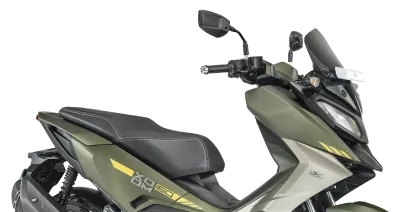
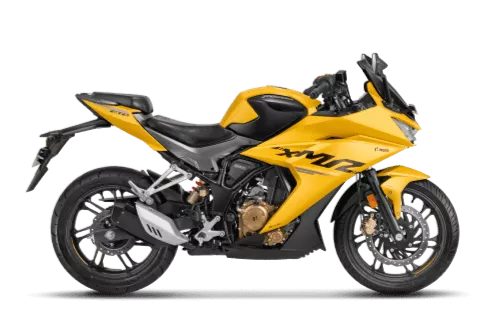
XTREME 250R
250 cc engine
250 cc engine
210 cc engine
97.2 cc engine
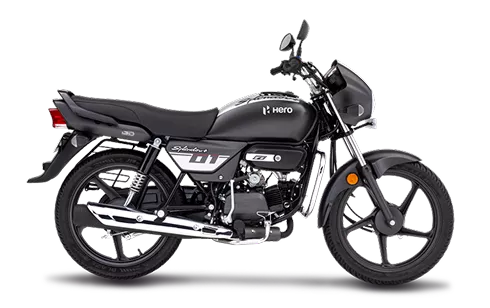
97.2 cc engine
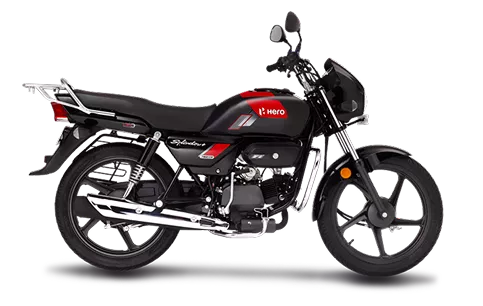
97.2 cc engine
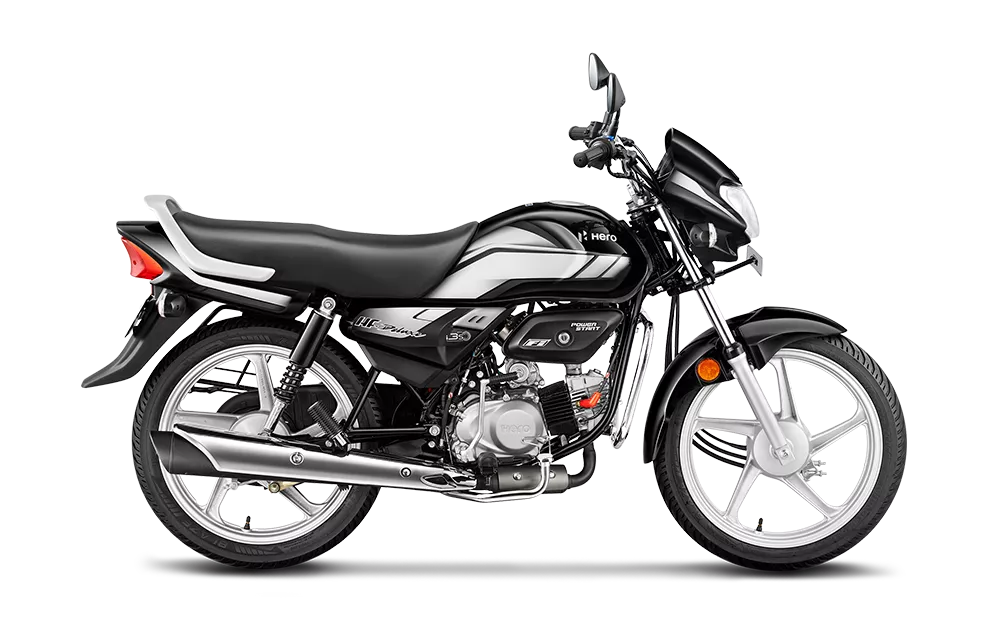
97.2 cc engine
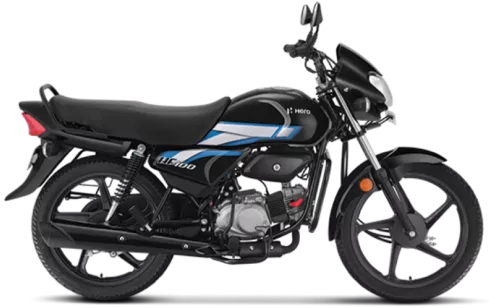
97.2 cc engine
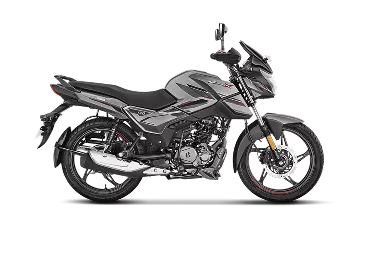
125 cc engine
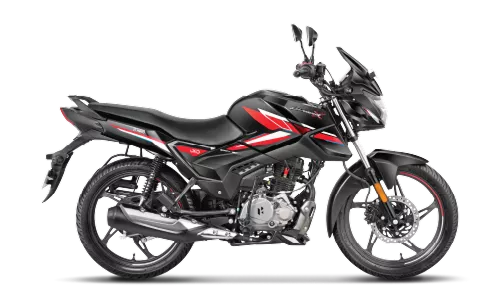
125 cc engine
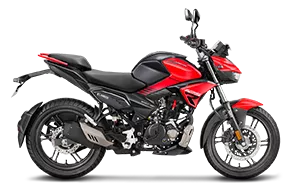
125 cc engine
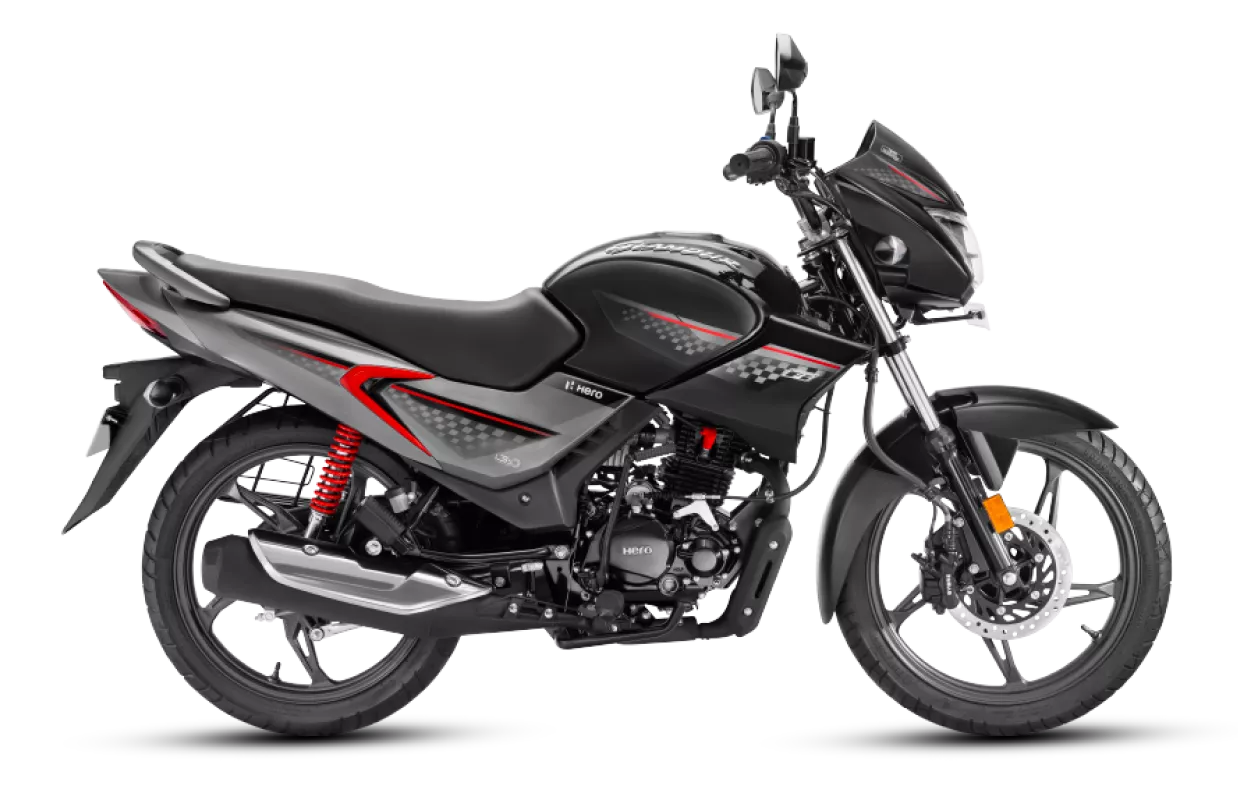
125 cc engine
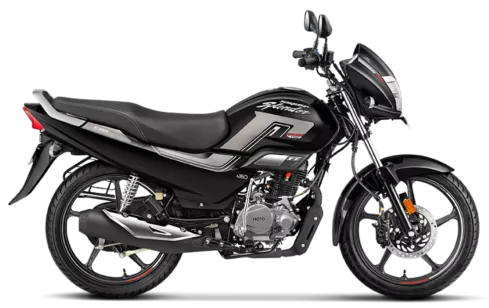
124.7 cc engine
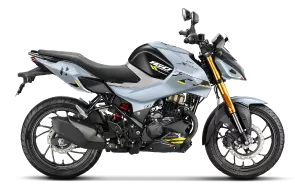
163.2 cc engine
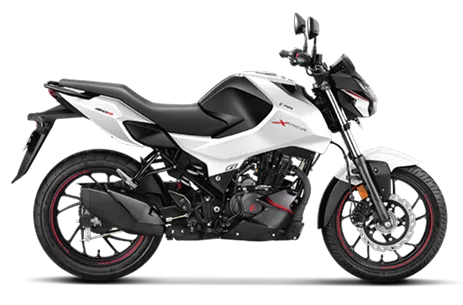
163.2 cc engine
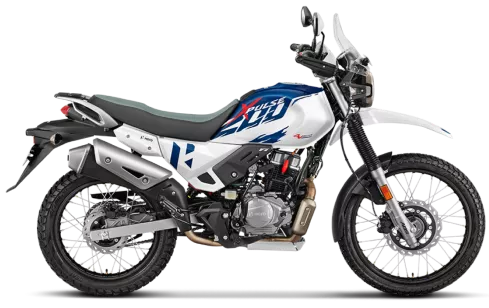
199.6 cc engine
210 cc engine
440 cc engine
97.2 cc engine
97.2 cc engine
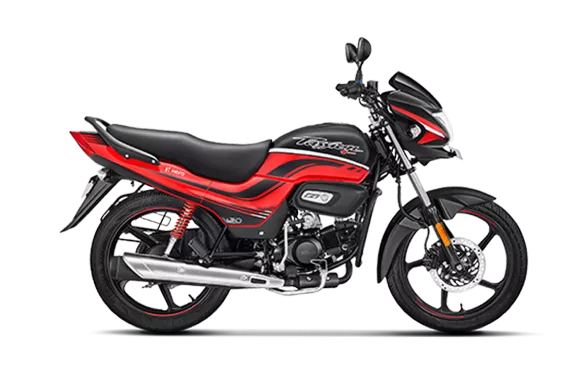
97.2 cc engine
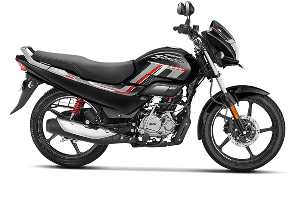
124.7 cc engine
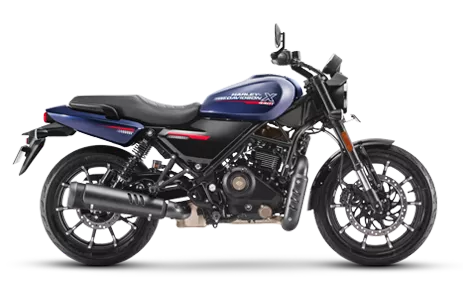
440 cc engine

250 cc
4 Stroke, 4 Valve, Single Cylinder Liquid Cooled, DOHC
25 nm
@7250 RPM
Starting ex-showroom price
Delhi, Delhi
210 cc
4 Stroke 4 Valve Single Cylinder Liquid Cooled DOHC
20.7 nm
@7250 RPM
Starting ex-showroom price
Delhi, Delhi
97.2 cc
Air cooled, 4-stroke, Single cylinder, OHC
8.05 nm
@6000 RPM
Starting ex-showroom price
Delhi, Delhi
97.2 cc
Air cooled, 4-stroke, Single cylinder, OHC
8.05 nm
@6000 RPM
Starting ex-showroom price
Delhi, Delhi
97.2 cc
Air cooled, 4-stroke, Single cylinder, OHC
8.05 nm
@6000 RPM
Starting ex-showroom price
Delhi, Delhi
97.2 cc
Air cooled, 4-stroke, Single cylinder, OHC
8.05 nm
@6000 RPM
Starting ex-showroom price
Delhi, Delhi
97.2 cc
Air cooled, 4-stroke, Single cylinder, OHC
8.05 nm
@6000 RPM
Starting ex-showroom price
Delhi, Delhi
125 cc
Air cooled, 4-Stroke
8.5 kW
@8250 RPM
Starting ex-showroom price
Delhi, Delhi
125 cc
Air cooled, 4-Stroke
10.5 nm
@6500 RPM
Starting ex-showroom price
Delhi, Delhi
125 cc
5.7 sec, Acceleartion 0-60kmph
10.5 nm
@6500 RPM
Starting ex-showroom price
Delhi, Delhi
125 cc
Air cooled, 4-stroke, Single cylinder, OHC
10.6 nm
@6000 RPM
Starting ex-showroom price
Delhi, Delhi
124.7 cc
Air Cooled, 4-Stroke, OHC, Single Cylinder
10.6 nm
@6000 RPM
Starting ex-showroom price
Delhi, Delhi
163.2 cc
Air oil cooled, 4-stroke, Single cylinder, OHC
14.6 nm
@6500 RPM
Starting ex-showroom price
Delhi, Delhi
163.2 cc
Air Cooled 4 stroke
14 nm
@6500 RPM
Starting ex-showroom price
Delhi, Delhi
199.6 cc
Oil Cooled, 4 stroke 4 Valve single cylinder OHC
17.35 nm
@6500 RPM
Starting ex-showroom price
Delhi, Delhi
210 cc
Liquid cooled, 4-stroke, Single cylinder, OHC
20.4 nm
@4000 RPM
Starting ex-showroom price
Delhi, Delhi
440 cc
Air cooled, 4-stroke, Single cylinder, OHC
38 nm
@4000 RPM
Starting ex-showroom price
Delhi, Delhi
97.2 cc
Air cooled, 4-stroke, Single cylinder, OHC
8.3 nm(with E85)
@ 6000 RPM
Starting ex-showroom price
Delhi, Delhi
97.2 cc
Air cooled, 4-stroke, Single cylinder, OHC
8.3 nm(with E85)
@ 6000 RPM
Starting ex-showroom price
Delhi, Delhi
97.2 cc
Air cooled, 4 stroke
8.05 nm
@6000 RPM
Starting ex-showroom price
Delhi, Delhi
124.7 cc
2V,Air cooled, 4 stroke single cylinder
10.6 nm
@ 6000 RPM
Starting ex-showroom price
Delhi, Delhi
440 cc
Air cooled, 4-stroke, Single cylinder, OHC
38 nm
@4000 RPM
Starting ex-showroom price
Delhi, Delhi

250 cc engine
210 cc engine
97.2 cc engine
97.2 cc engine
97.2 cc engine
97.2 cc engine
97.2 cc engine
125 cc engine
125 cc engine
125 cc engine
125 cc engine
124.7 cc engine
163.2 cc engine
163.2 cc engine
199.6 cc engine
210 cc engine
440 cc engine
97.2 cc engine
97.2 cc engine
97.2 cc engine
124.7 cc engine
440 cc engine
250 cc
4 Stroke, 4 Valve, Single Cylinder Liquid Cooled, DOHC
25 nm
@7250 RPM
210 cc
4 Stroke 4 Valve Single Cylinder Liquid Cooled DOHC
20.7 nm
@7250 RPM
97.2 cc
Air cooled, 4-stroke, Single cylinder, OHC
8.05 nm
@6000 RPM
97.2 cc
Air cooled, 4-stroke, Single cylinder, OHC
8.05 nm
@6000 RPM
97.2 cc
Air cooled, 4-stroke, Single cylinder, OHC
8.05 nm
@6000 RPM
97.2 cc
Air cooled, 4-stroke, Single cylinder, OHC
8.05 nm
@6000 RPM
97.2 cc
Air cooled, 4-stroke, Single cylinder, OHC
8.05 nm
@6000 RPM
125 cc
Air cooled, 4-Stroke
8.5 kW
@8250 RPM
125 cc
Air cooled, 4-Stroke
10.5 nm
@6500 RPM
125 cc
5.7 sec, Acceleartion 0-60kmph
10.5 nm
@6500 RPM
125 cc
Air cooled, 4-stroke, Single cylinder, OHC
10.6 nm
@6000 RPM
124.7 cc
Air Cooled, 4-Stroke, OHC, Single Cylinder
10.6 nm
@6000 RPM
163.2 cc
Air oil cooled, 4-stroke, Single cylinder, OHC
14.6 nm
@6500 RPM
163.2 cc
Air Cooled 4 stroke
14 nm
@6500 RPM
199.6 cc
Oil Cooled, 4 stroke 4 Valve single cylinder OHC
17.35 nm
@6500 RPM
210 cc
Liquid cooled, 4-stroke, Single cylinder, OHC
20.4 nm
@4000 RPM
440 cc
Air cooled, 4-stroke, Single cylinder, OHC
38 nm
@4000 RPM
97.2 cc
Air cooled, 4-stroke, Single cylinder, OHC
8.3 nm(with E85)
@ 6000 RPM
97.2 cc
Air cooled, 4-stroke, Single cylinder, OHC
8.3 nm(with E85)
@ 6000 RPM
97.2 cc
Air cooled, 4 stroke
8.05 nm
@6000 RPM
124.7 cc
2V,Air cooled, 4 stroke single cylinder
10.6 nm
@ 6000 RPM
440 cc
Air cooled, 4-stroke, Single cylinder, OHC
38 nm
@4000 RPM
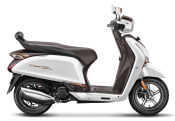
110 cc engine
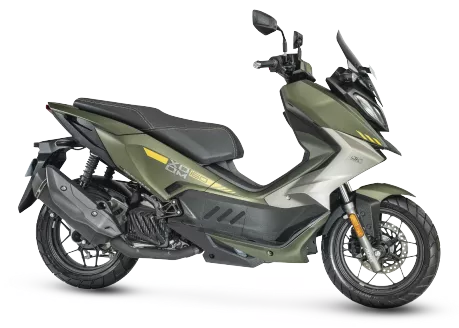
125 cc engine
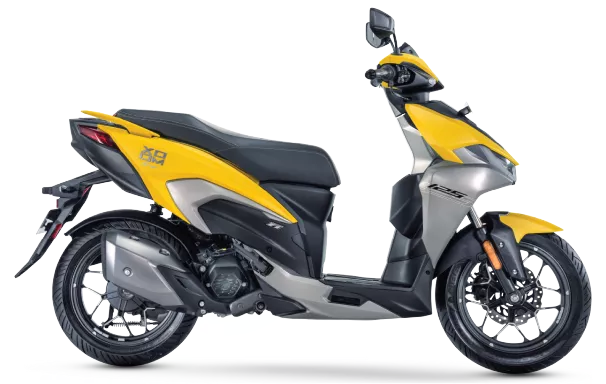
156 cc engine
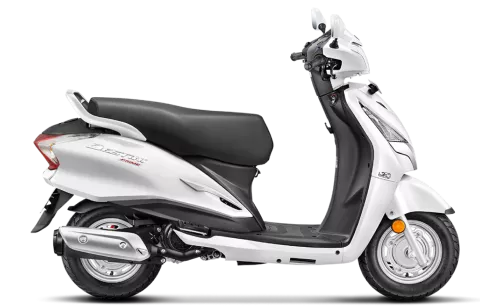
124.6 cc engine
124.6 cc engine
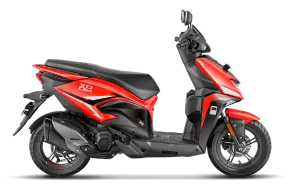
110.9 cc engine
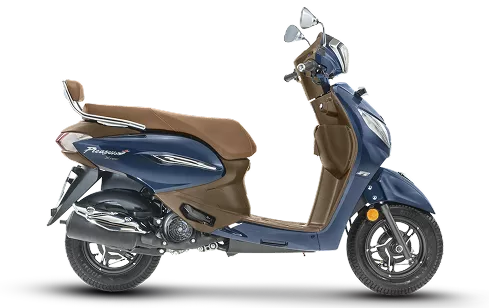
110.9 cc engine
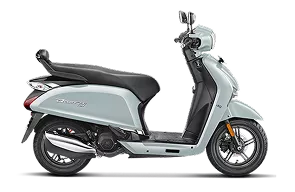
110 cc
Air Cooled, 4 stroke engine
8.7 nm
@5750 RPM
Starting ex-showroom price
Delhi, Delhi
125 cc
Air cooled, 4 stroke, SI engine
10.4 nm
@5500 RPM
Starting ex-showroom price
Delhi, Delhi
156 cc
Liquid cooled, 4 Valve single cylinder SOHC
14 nm
@6250 RPM
Starting ex-showroom price
Delhi, Delhi
124.6 cc
Air Cooled, 4 stroke, SI
10.4 nm
@6000 RPM
Starting ex-showroom price
Delhi, Delhi
124.6 cc
Air Cooled, 4-Stroke, SI Engine
10.36 nm
@5500 RPM
Starting ex-showroom price
Delhi, Delhi
110.9 cc
Air cooled, 4-stroke, SI engine
8.70 nm
@5750 RPM
Starting ex-showroom price
Delhi, Delhi
110.9 cc
Air cooled, 4-stroke Single Cylinder OHC
8.70 nm
@5500 RPM
Starting ex-showroom price
Delhi, Delhi
110 cc engine
125 cc engine
156 cc engine
124.6 cc engine
124.6 cc engine
110.9 cc engine
110.9 cc engine
110 cc
Air Cooled, 4 stroke engine
8.7 nm
@5750 RPM
125 cc
Air cooled, 4 stroke, SI engine
10.4 nm
@5500 RPM
156 cc
Liquid cooled, 4 Valve single cylinder SOHC
14 nm
@6250 RPM
124.6 cc
Air Cooled, 4 stroke, SI
10.4 nm
@6000 RPM
124.6 cc
Air Cooled, 4-Stroke, SI Engine
10.36 nm
@5500 RPM
110.9 cc
Air cooled, 4-stroke, SI engine
8.70 nm
@5750 RPM
110.9 cc
Air cooled, 4-stroke Single Cylinder OHC
8.70 nm
@5500 RPM
Riding a bike isn’t just about hopping on and hitting the road, it’s about doing it smartly and safely. Whether you’re a seasoned rider or a newbie looking to explore the streets, keeping your motorcycle in top shape and understanding the basics can save you from unexpected mishaps.
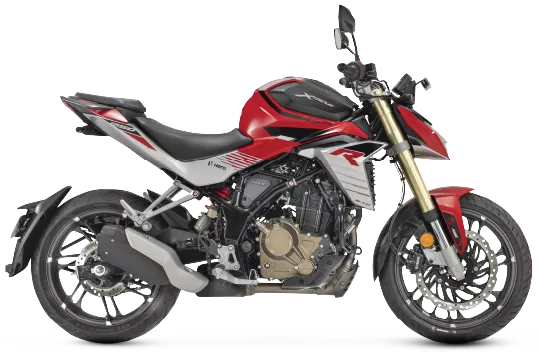
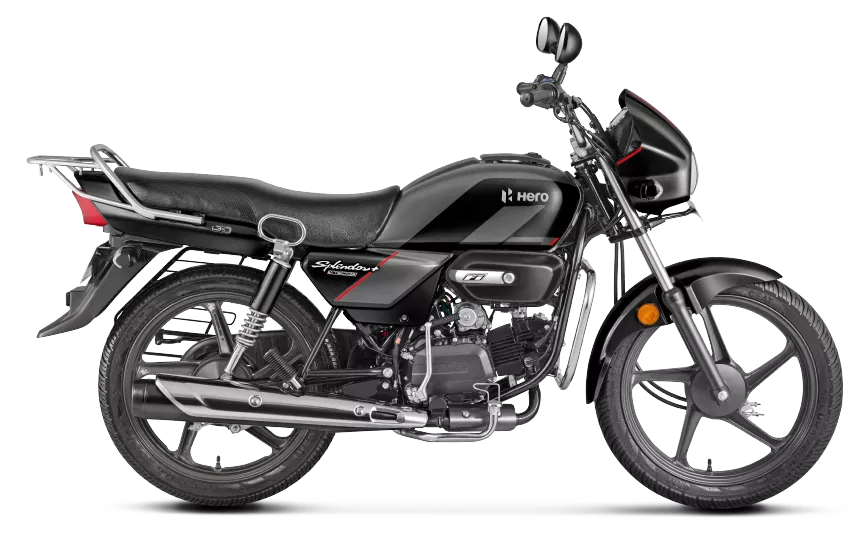
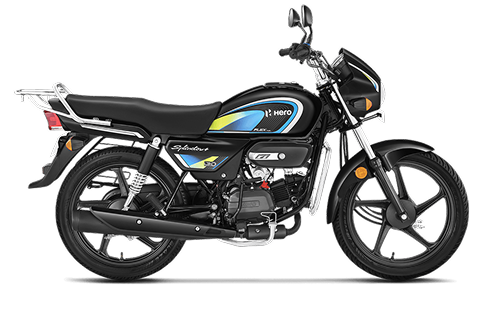
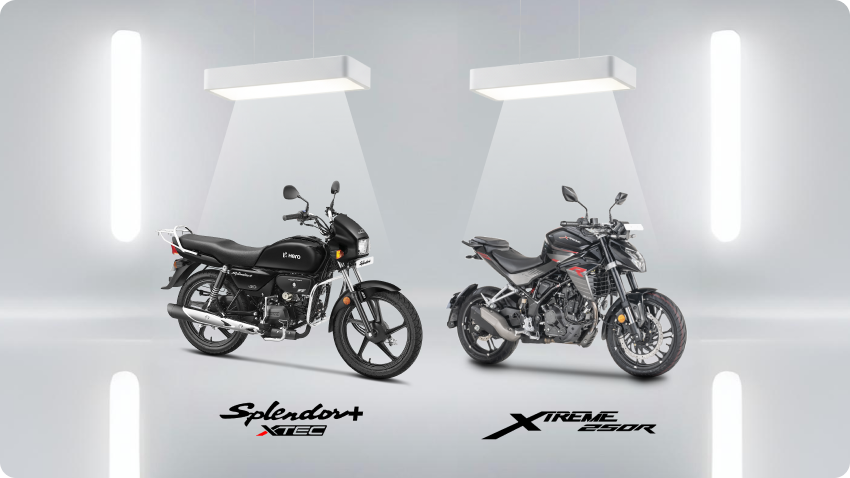
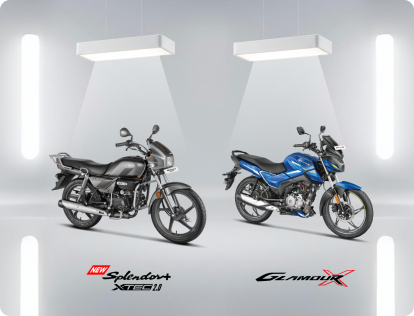
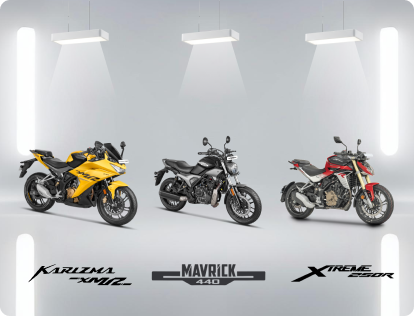
From the thrill of an Xtreme 250R tearing down an open highway to the daily reliability of a Splendor Plus zipping through city lanes, every rider must prioritise maintenance and safety.
But first, let’s talk about something riders often overlook, yet it is crucial for smooth rides and longer tyre life: How to check tyre pressure in bikes.
Tyres are your bike’s only point of contact with the road, making their maintenance critical. Riding with underinflated or overinflated tyres can lead to poor handling, increased fuel consumption, and even dangerous skidding. For instance, the Xtreme 250R comes with sporty Diamond Cut Alloy wheels with a front tyre of 110/70 17 M/C 54H and a rear tyre of 150/60 17 M/C 66W. Meanwhile, the Splendor Plus, perfect for city commuting, features tubeless tyres with 80/100-18 M/C 47P in front and 80/100-18 M/C 54P at the rear.
Checking tyre pressure is not difficult. Keep a reliable gauge handy, refer to your bike manual for the correct PSI (pounds per square inch), and check the tyres when they are cold. Properly inflated tyres not only ensure better grip on wet or dry roads but also improve braking efficiency and ride comfort.
Braking is one area where beginners often feel nervous, but understanding your motorcycle’s braking system can boost confidence and safety. Modern bikes come with advanced systems, and knowing how to use them effectively is essential.
Take the Xtreme 250R as an example, it sports a 320 mm petal disc at the front and a 230 mm petal disc at the rear, coupled with dual-channel switchable ABS with two modes. This setup provides superior stopping power, whether you’re cruising in the city or sprinting on the highway. Splendor Plus, on the other hand, features a more commuter-friendly setup with 130 mm drum brakes and an integrated braking system, which make daily city riding safe and manageable.
Here are some motorcycle braking tips for beginners to ride with confidence:
Remember, braking isn’t just about stopping, it’s about controlling your ride in any situation, from sudden traffic stops to emergency movements.
A few minutes spent checking your bike before every ride can make a world of difference. Look out for:
Even experienced riders stop for a quick inspection ritual before leaving the driveway. Not only does this reduce the chances of roadside troubles, but it also keeps your bike in prime condition for years.
If you’re thinking of getting a used bike, don’t rush the process. Buying a pre-owned motorcycle can save money, but only if you’re thorough. After all, a bike with hidden issues can turn your dream ride into a headache.
Here’s what to look for when scouting used options: Things to check before buying a used bike include:
Inspecting these areas ensures you’re investing in a bike that’s safe, reliable, and ready for the road. Whether it’s a street-dominating Xtreme 250R or a commuter-friendly Splendor Plus, a careful pre-purchase check will save you time, money, and potential stress.
Beyond maintenance and pre-purchase checks, your riding habits play a huge role in safety. Wet roads, potholes, sudden stops, and traffic all demand attentive and defensive riding. Keep these tips in mind:
Understanding your bike’s braking system and tyre grip helps you adapt to any road conditions. The Xtreme 250R’s dual-mode ABS (anti-lock braking system) is perfect for adventurous rides, while the Splendor Plus keeps city commutes smooth and safe.
Motorcycling is as much about strategy as it is about thrill. Checking tyre pressure regularly, mastering basic braking techniques, and conducting thorough pre-purchase inspections are essential habits for every rider. The difference between a reactive rider and a prepared one often comes down to these small yet impactful routines.
So, whether you’re dreaming of the adrenaline-packed Xtreme 250R or the reliable Splendor Plus for your daily grind, remember: a smart rider is a safe rider. Keep your tyres properly inflated, respect the brakes, and inspect your bike thoroughly.
1. How often should I check my bike’s tyre pressure?


Tyre pressure should be checked at least once a week or before long rides to ensure optimal grip, safety, and fuel efficiency.
2. What’s the best way for beginners to brake safely?
Use both front and rear brakes simultaneously, apply gradual pressure, and get familiar with your bike’s ABS if available.
3. What should I inspect before buying a used bike?
Check tyres, brakes, engine condition, mileage, and service records, and ensure all documentation is valid and complete.
4. Can low tyre pressure affect braking performance?
Yes, underinflated tyres reduce grip and increase stopping distance, making braking less effective and unsafe.
5. How can I maintain my bike for city and highway rides?
Regularly check tyre pressure, brakes, oil, chain tension, and lights; adapt riding style to road conditions and traffic.
1. How often should I check my bike’s tyre pressure?
Tyre pressure should be checked at least once a week or before long rides to ensure optimal grip, safety, and fuel efficiency.
2. What’s the best way for beginners to brake safely?
Use both front and rear brakes simultaneously, apply gradual pressure, and get familiar with your bike’s ABS if available.
3. What should I inspect before buying a used bike?
Check tyres, brakes, engine condition, mileage, and service records, and ensure all documentation is valid and complete.
4. Can low tyre pressure affect braking performance?
Yes, underinflated tyres reduce grip and increase stopping distance, making braking less effective and unsafe.
5. How can I maintain my bike for city and highway rides?
Regularly check tyre pressure, brakes, oil, chain tension, and lights; adapt riding style to road conditions and traffic.


 Angola
 Argentina
 Bangladesh
 Bolivia
 Colombia
 Costa Rica
 Dominican Republic
 DRC
DRC
 Ecuador
 El Salvador
 Ethiopia
 France
 GCC
GCC
 Germany
 Great Britain
 Guatemala
 Guinea
 Guyana
 Haiti
Haiti
 Honduras
 Italy
Italy
 Kenya
Kenya
 Madagascar
 Mexico
 Myanmar
 Nepal
Nepal
 Nicaragua
 Nigeria
 Panama
 Peru
Peru
 Philippines
 South Africa
 Spain
Spain
 Sri Lanka
 Tanzania
 Trinidad
 Turkey
 Uganda
 Zambia