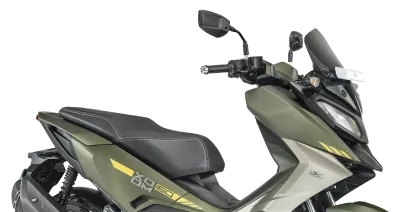
XTREME 250R
250 cc engine
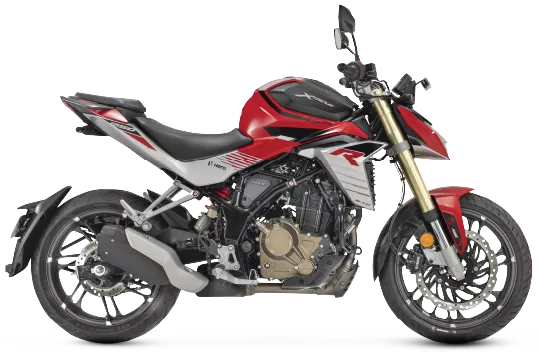
250 cc engine
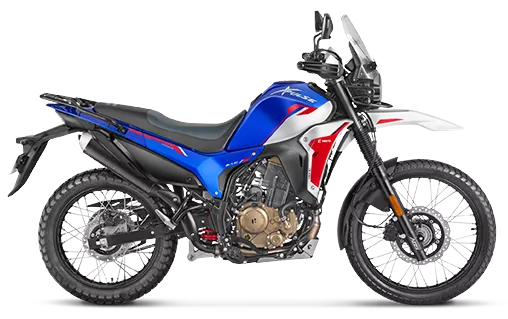
210 cc engine
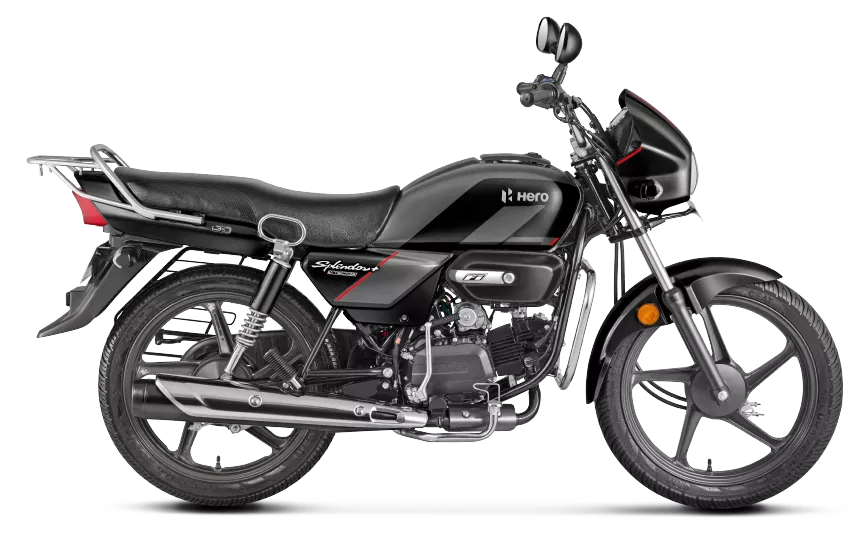
97.2 cc engine
97.2 cc engine
97.2 cc engine
97.2 cc engine
97.2 cc engine
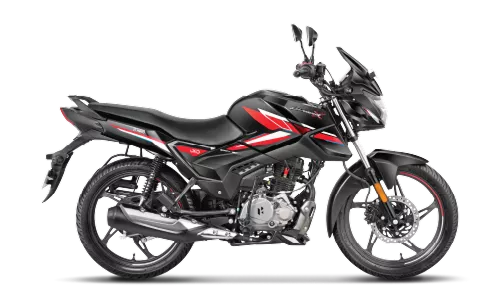
125 cc engine
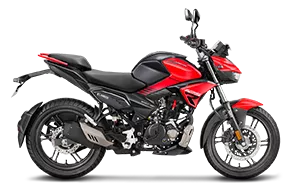
125 cc engine
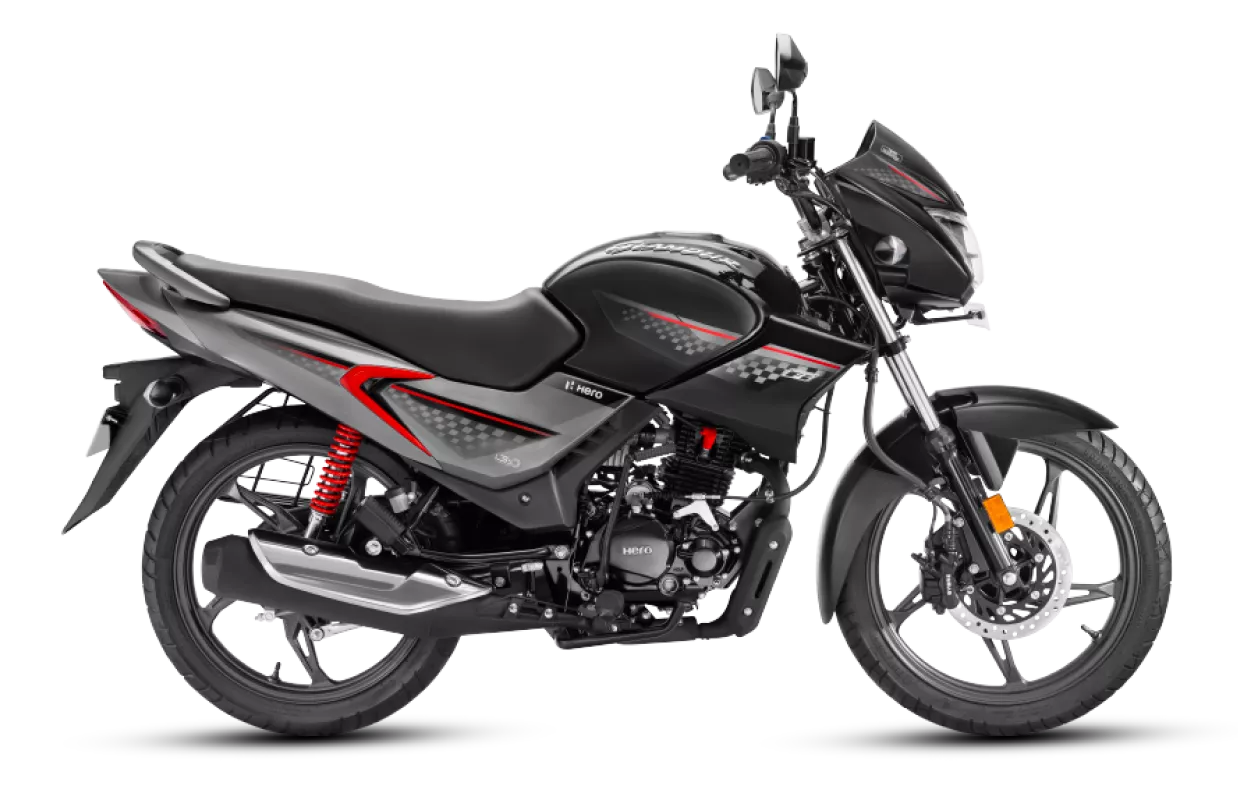
125 cc engine
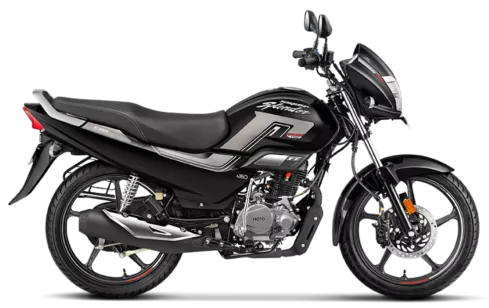
124.7 cc engine
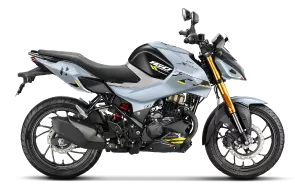
163.2 cc engine
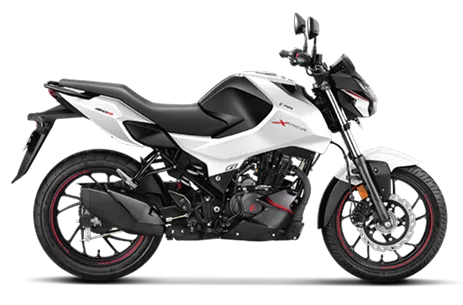
163.2 cc engine
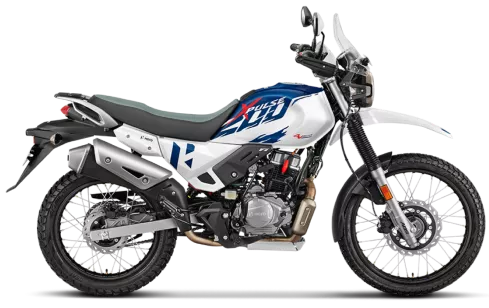
199.6 cc engine
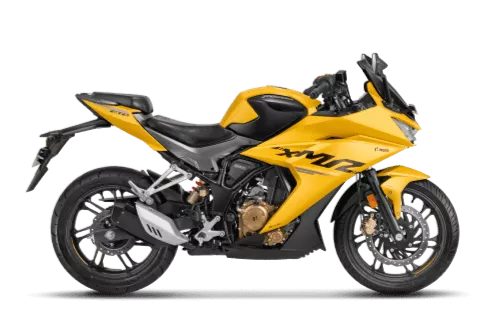
210 cc engine
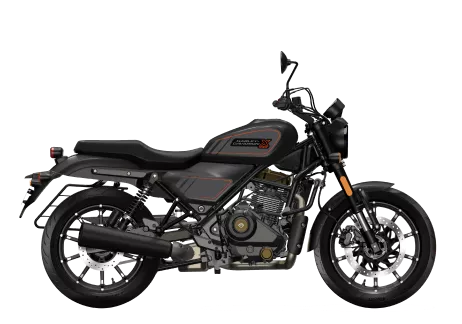
440 cc engine
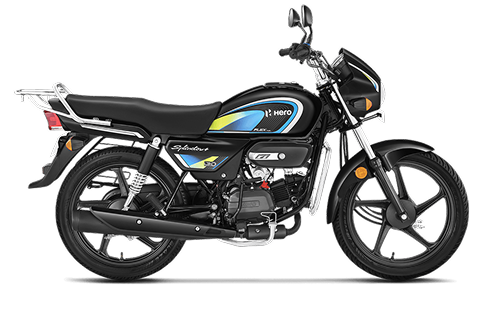
97.2 cc engine
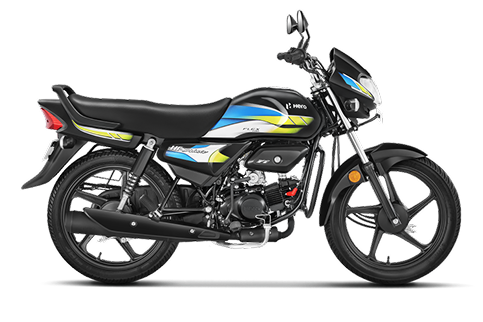
97.2 cc engine
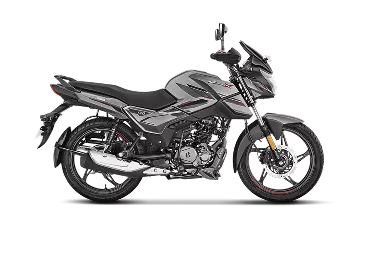
125 cc engine
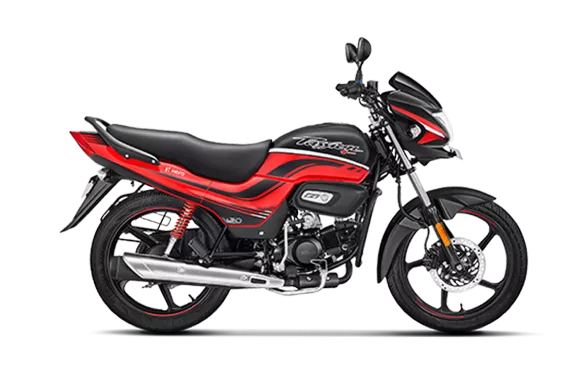
97.2 cc engine
124.7 cc engine
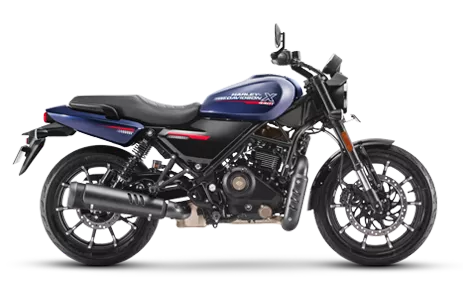
440 cc engine

250 cc
4 Stroke, 4 Valve, Single Cylinder Liquid Cooled, DOHC
25 nm
@7250 RPM
Starting ex-showroom price
Delhi, Delhi
210 cc
4 Stroke 4 Valve Single Cylinder Liquid Cooled DOHC
20.7 nm
@7250 RPM
Starting ex-showroom price
Delhi, Delhi
97.2 cc
Air cooled, 4-stroke, Single cylinder, OHC
8.05 nm
@6000 RPM
Starting ex-showroom price
Delhi, Delhi
97.2 cc
Air cooled, 4-stroke, Single cylinder, OHC
8.05 nm
@6000 RPM
Starting ex-showroom price
Delhi, Delhi
97.2 cc
Air cooled, 4-stroke, Single cylinder, OHC
8.05 nm
@6000 RPM
Starting ex-showroom price
Delhi, Delhi
97.2 cc
Air cooled, 4-stroke, Single cylinder, OHC
8.05 nm
@6000 RPM
Starting ex-showroom price
Delhi, Delhi
97.2 cc
Air cooled, 4-stroke, Single cylinder, OHC
8.05 nm
@6000 RPM
Starting ex-showroom price
Delhi, Delhi
125 cc
Air cooled, 4-Stroke
10.5 nm
@6500 RPM
Starting ex-showroom price
Delhi, Delhi
125 cc
5.7 sec, Acceleartion 0-60kmph
10.5 nm
@6500 RPM
Starting ex-showroom price
Delhi, Delhi
125 cc
Air cooled, 4-stroke, Single cylinder, OHC
10.6 nm
@6000 RPM
Starting ex-showroom price
Delhi, Delhi
124.7 cc
Air Cooled, 4-Stroke, OHC, Single Cylinder
10.6 nm
@6000 RPM
Starting ex-showroom price
Delhi, Delhi
163.2 cc
Air oil cooled, 4-stroke, Single cylinder, OHC
14.6 nm
@6500 RPM
Starting ex-showroom price
Delhi, Delhi
163.2 cc
Air Cooled 4 stroke
14 nm
@6500 RPM
Starting ex-showroom price
Delhi, Delhi
199.6 cc
Oil Cooled, 4 stroke 4 Valve single cylinder OHC
17.35 nm
@6500 RPM
Starting ex-showroom price
Delhi, Delhi
210 cc
Liquid cooled, 4-stroke, Single cylinder, OHC
20.4 nm
@4000 RPM
Starting ex-showroom price
Delhi, Delhi
440 cc
Air cooled, 4-stroke, Single cylinder, OHC
38 nm
@4000 RPM
Starting ex-showroom price
Delhi, Delhi
97.2 cc
Air cooled, 4-stroke, Single cylinder, OHC
8.3 nm(with E85)
@ 6000 RPM
Starting ex-showroom price
Delhi, Delhi
97.2 cc
Air cooled, 4-stroke, Single cylinder, OHC
8.3 nm(with E85)
@ 6000 RPM
Starting ex-showroom price
Delhi, Delhi
125 cc
Air cooled, 4-Stroke
8.5 kW
@8250 RPM
Starting ex-showroom price
Delhi, Delhi
97.2 cc
Air cooled, 4 stroke
8.05 nm
@6000 RPM
Starting ex-showroom price
Delhi, Delhi
124.7 cc
2V,Air cooled, 4 stroke single cylinder
10.6 nm
@ 6000 RPM
Starting ex-showroom price
Delhi, Delhi
440 cc
Air cooled, 4-stroke, Single cylinder, OHC
38 nm
@4000 RPM
Starting ex-showroom price
Delhi, Delhi

250 cc engine
210 cc engine
97.2 cc engine
97.2 cc engine
97.2 cc engine
97.2 cc engine
97.2 cc engine
125 cc engine
125 cc engine
125 cc engine
124.7 cc engine
163.2 cc engine
163.2 cc engine
199.6 cc engine
210 cc engine
440 cc engine
97.2 cc engine
97.2 cc engine
125 cc engine
97.2 cc engine
124.7 cc engine
440 cc engine
250 cc
4 Stroke, 4 Valve, Single Cylinder Liquid Cooled, DOHC
25 nm
@7250 RPM
210 cc
4 Stroke 4 Valve Single Cylinder Liquid Cooled DOHC
20.7 nm
@7250 RPM
97.2 cc
Air cooled, 4-stroke, Single cylinder, OHC
8.05 nm
@6000 RPM
97.2 cc
Air cooled, 4-stroke, Single cylinder, OHC
8.05 nm
@6000 RPM
97.2 cc
Air cooled, 4-stroke, Single cylinder, OHC
8.05 nm
@6000 RPM
97.2 cc
Air cooled, 4-stroke, Single cylinder, OHC
8.05 nm
@6000 RPM
97.2 cc
Air cooled, 4-stroke, Single cylinder, OHC
8.05 nm
@6000 RPM
125 cc
Air cooled, 4-Stroke
10.5 nm
@6500 RPM
125 cc
5.7 sec, Acceleartion 0-60kmph
10.5 nm
@6500 RPM
125 cc
Air cooled, 4-stroke, Single cylinder, OHC
10.6 nm
@6000 RPM
124.7 cc
Air Cooled, 4-Stroke, OHC, Single Cylinder
10.6 nm
@6000 RPM
163.2 cc
Air oil cooled, 4-stroke, Single cylinder, OHC
14.6 nm
@6500 RPM
163.2 cc
Air Cooled 4 stroke
14 nm
@6500 RPM
199.6 cc
Oil Cooled, 4 stroke 4 Valve single cylinder OHC
17.35 nm
@6500 RPM
210 cc
Liquid cooled, 4-stroke, Single cylinder, OHC
20.4 nm
@4000 RPM
440 cc
Air cooled, 4-stroke, Single cylinder, OHC
38 nm
@4000 RPM
97.2 cc
Air cooled, 4-stroke, Single cylinder, OHC
8.3 nm(with E85)
@ 6000 RPM
97.2 cc
Air cooled, 4-stroke, Single cylinder, OHC
8.3 nm(with E85)
@ 6000 RPM
125 cc
Air cooled, 4-Stroke
8.5 kW
@8250 RPM
97.2 cc
Air cooled, 4 stroke
8.05 nm
@6000 RPM
124.7 cc
2V,Air cooled, 4 stroke single cylinder
10.6 nm
@ 6000 RPM
440 cc
Air cooled, 4-stroke, Single cylinder, OHC
38 nm
@4000 RPM
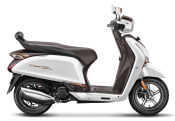
110 cc engine
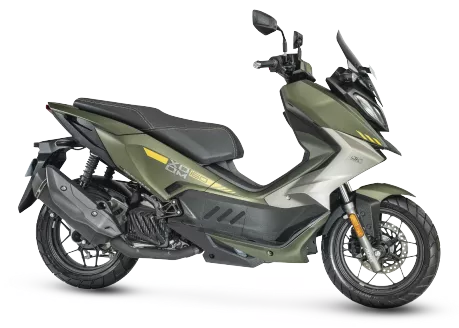
125 cc engine
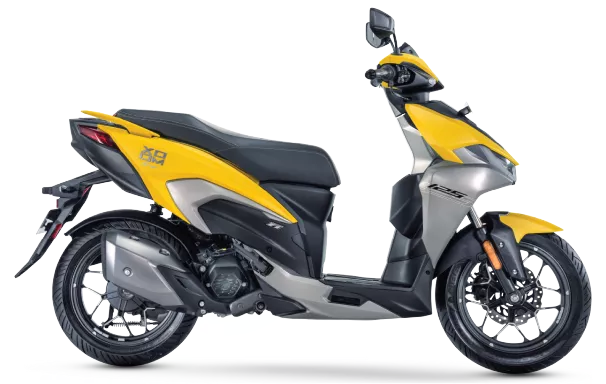
156 cc engine
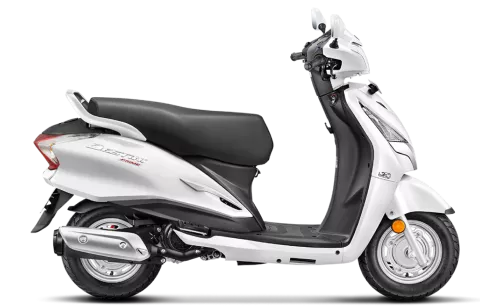
124.6 cc engine
124.6 cc engine
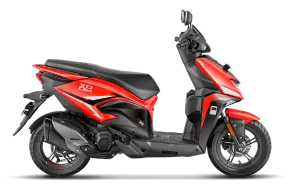
110.9 cc engine
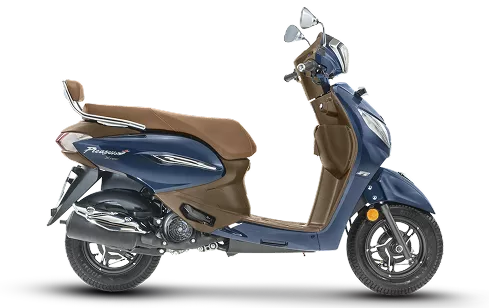
110.9 cc engine
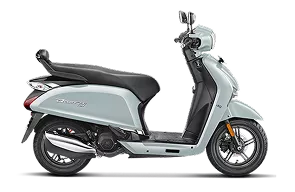
110 cc
Air Cooled, 4 stroke engine
8.7 nm
@5750 RPM
Starting ex-showroom price
Delhi, Delhi
125 cc
Air cooled, 4 stroke, SI engine
10.4 nm
@5500 RPM
Starting ex-showroom price
Delhi, Delhi
156 cc
Liquid cooled, 4 Valve single cylinder SOHC
14 nm
@6250 RPM
Starting ex-showroom price
Delhi, Delhi
124.6 cc
Air Cooled, 4 stroke, SI
10.4 nm
@6000 RPM
Starting ex-showroom price
Delhi, Delhi
124.6 cc
Air Cooled, 4-Stroke, SI Engine
10.36 nm
@5500 RPM
Starting ex-showroom price
Delhi, Delhi
110.9 cc
Air cooled, 4-stroke, SI engine
8.70 nm
@5750 RPM
Starting ex-showroom price
Delhi, Delhi
110.9 cc
Air cooled, 4-stroke Single Cylinder OHC
8.70 nm
@5500 RPM
Starting ex-showroom price
Delhi, Delhi
110 cc engine
125 cc engine
156 cc engine
124.6 cc engine
124.6 cc engine
110.9 cc engine
110.9 cc engine
110 cc
Air Cooled, 4 stroke engine
8.7 nm
@5750 RPM
125 cc
Air cooled, 4 stroke, SI engine
10.4 nm
@5500 RPM
156 cc
Liquid cooled, 4 Valve single cylinder SOHC
14 nm
@6250 RPM
124.6 cc
Air Cooled, 4 stroke, SI
10.4 nm
@6000 RPM
124.6 cc
Air Cooled, 4-Stroke, SI Engine
10.36 nm
@5500 RPM
110.9 cc
Air cooled, 4-stroke, SI engine
8.70 nm
@5750 RPM
110.9 cc
Air cooled, 4-stroke Single Cylinder OHC
8.70 nm
@5500 RPM
If you've been following the Indian two-wheeler market lately, you've probably noticed something interesting. Everywhere you look, there's a debate happening.
Should you stick with petrol?
Should you switch to electric?
Or is Flex-Fuel the technology that could quietly change everything?
It's a bit like choosing between three contestants in a reality show. Each has its strengths, each has its fans, and each promises to be the future of mobility.
As India prepares for its next billion kilometres of daily commuting, one question is becoming increasingly important:
Which technology makes the most sense for the average Indian rider who rides 100cc bikes?
Let's break it down in simple terms.
For decades, petrol motorcycles have been India's preferred mode of transport.
They're reliable, easy to maintain, and supported by one of the largest fuel networks in the world.
Need fuel?
There's probably a petrol pump just a few kilometres away.
Need service?
Almost every mechanic knows how to work on a petrol motorcycle.
This convenience explains why commuter motorcycles continue to dominate Indian roads.
Whether someone is buying a new bike 110cc for daily office commutes or upgrading to a larger motorcycle for weekend rides, petrol remains the default choice for many buyers.
But petrol motorcycles also face growing challenges.
Fuel prices fluctuate.
Environmental concerns continue to rise.
And the country is actively looking for cleaner mobility solutions.
That's where alternative technologies enter the conversation.
Electric vehicles have undoubtedly captured public attention.
They're quiet.
They're modern.
They're environmentally friendly.
And perhaps most importantly, they eliminate the need for petrol altogether.
For riders with predictable daily travel patterns and access to charging infrastructure, electric two-wheelers can be extremely attractive.
However, electric mobility still faces some practical challenges.
Questions about charging availability, charging times, battery replacement costs, and long-distance convenience continue to influence buyer decisions.
This doesn't mean electric vehicles aren't the future.
It simply means the transition may take time.
And during that transition, another solution is gaining momentum.
Imagine having a motorcycle that feels just as familiar as a traditional petrol bike but is ready for a changing fuel future.
That's the idea behind flex-fuel technology.
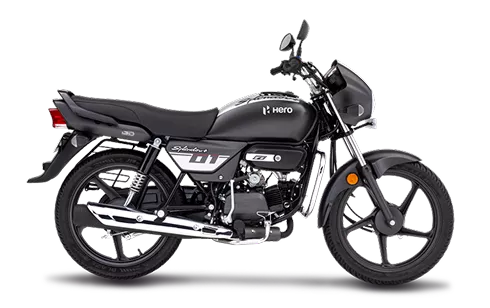
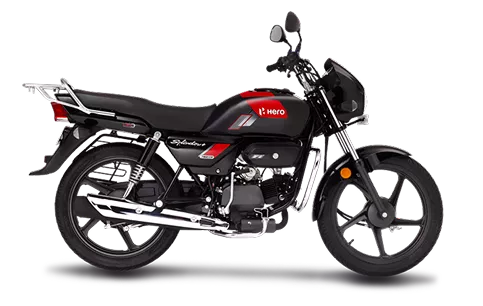
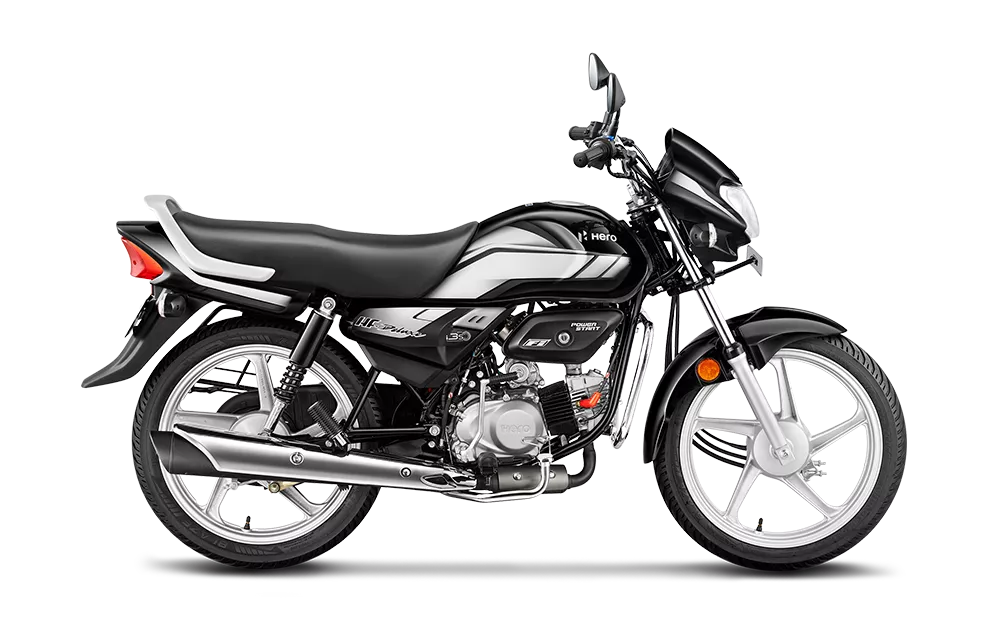
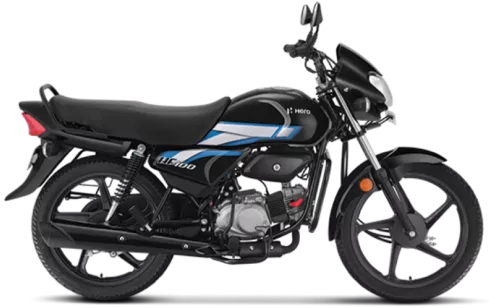
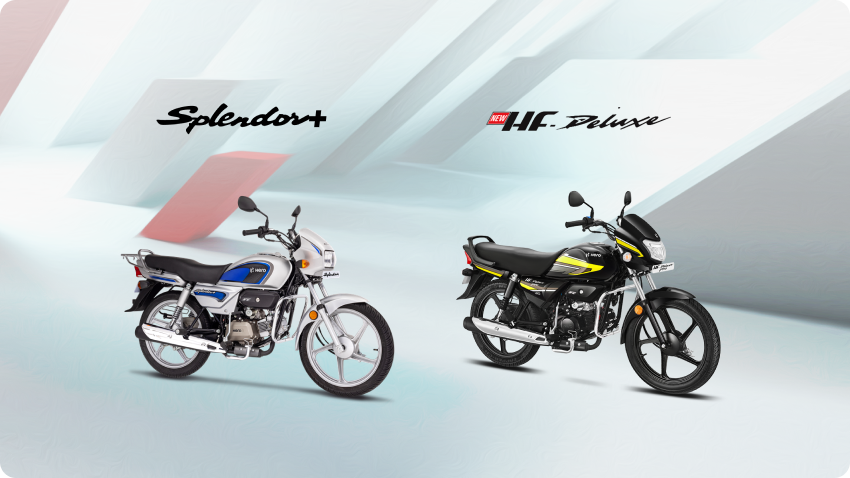
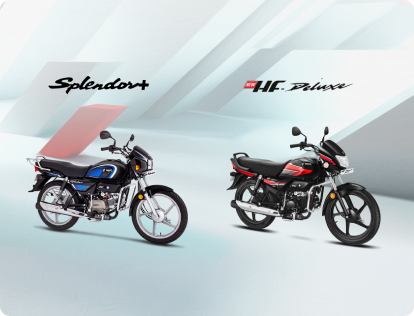
Hero MotoCorp's first-ever Flex Fuel range introduces exactly this concept through the Splendor Plus Flex Fuel and HF Deluxe Flex Fuel.
Developed at Hero's Centre for Innovation & Technology (CIT) in Jaipur, these motorcycles combine trusted commuter-bike reliability with future-ready engineering.
The concept is simple.
Instead of being restricted to one fuel type, these best flex fuel motorcycles in India are designed to operate with ethanol-blended fuels ranging from E20 to E85.
That's a significant step towards cleaner transportation without forcing riders to completely change their ownership experience.
| Factor | Petrol Motorcycles | Electric Two-Wheelers | Flex-Fuel Motorcycles |
|---|---|---|---|
| Fuel/Energy Source | Petrol | Battery Electricity | Ethanol-Petrol Blends (E20–E85) |
| Existing Infrastructure | Well-established | Growing | Builds on evolving fuel network |
| Refuelling/Recharging Convenience | High | Depends on charging access | Similar to conventional refuelling |
| Familiar Ownership Experience | High | Different from traditional motorcycles | Very similar to traditional motorcycles |
| Future Fuel Adaptability | Limited | High | High |
| Support for Cleaner Mobility | Moderate | Strong | Supports renewable fuel adoption |
| Suitable for Daily Commuters | Yes | Yes, where charging is convenient | Yes, with added fuel flexibility |
| Long-Term Relevance | Depends on fuel trends | Linked to charging ecosystem growth | Designed for evolving fuel standards |
One of the biggest advantages of Hero's Flex Fuel motorcycles is summed up in a simple phrase: ready for the fuel of tomorrow.
India's fuel landscape is evolving rapidly.
Ethanol blending initiatives are becoming increasingly important as the country seeks to reduce dependence on imported crude oil and strengthen energy security.
Flex fuel motorcycles are designed to adapt to this transition seamlessly.
That means riders don't have to worry about whether their motorcycle will remain relevant as fuel standards continue to evolve.
The motorcycle is already prepared.
There's something particularly appealing about the flex fuel story in India.
Ethanol production supports Indian agriculture, helps reduce crude oil imports, and promotes the use of renewable fuel sources.
Instead of relying heavily on imported resources, the country can gradually increase the use of domestically produced fuel alternatives.
That's a win for riders, farmers, and the broader economy.
One concern many riders have is whether alternative fuel technology compromises performance.
The good news?
Our flex fuel motorcycles are designed to maintain the reliability, practicality, and riding experience commuters expect.
Their engines are fully compatible with ethanol fuel blends ranging from E20 to E85.
This adaptability means riders can confidently use available fuel options without sacrificing convenience.
It's a practical solution that works within existing riding habits rather than forcing entirely new ones.
When people buy commuter motorcycles, reliability is often the deciding factor.
This is where our approach becomes particularly interesting.
Rather than launching entirely new motorcycle platforms, we have built its flex fuel range on its trusted 100cc architecture.
These platforms have already earned the confidence of millions of Indian riders.
That proven reliability continues to be a major advantage.
For commuters, familiarity often matters just as much as innovation.
The truth is that there may not be a single winner.
Petrol motorcycles will continue serving millions of riders.
Electric vehicles will keep growing as charging infrastructure improves.
And flex-fuel motorcycles could emerge as an important bridge between today's mobility needs and tomorrow's fuel ecosystem.
With the launch of Hero's first Flex Fuel Motorcycles, the Splendor Plus Flex Fuel and HF Deluxe Flex Fuel, Indian riders now have another compelling option to consider. These best 100cc bike in budget combine trusted commuter-bike reliability with future-focused engineering, making them a practical choice for a country that is constantly evolving.
As India's transportation story continues to unfold, flex-fuel technology may prove to be one of the smartest chapters yet.
What is a Flex-Fuel motorcycle?


A flex-fuel motorcycle can run on multiple ethanol-petrol fuel blends, offering greater flexibility as fuel options evolve.
Which Hero motorcycles are available with Flex-Fuel technology?
Hero MotoCorp's Flex-Fuel range includes the Splendor Plus Flex Fuel and HF Deluxe Flex Fuel.
What fuel blends can Hero Flex-Fuel motorcycles use?
These motorcycles are compatible with ethanol blends ranging from E20 to E85.
How is Flex-Fuel different from a regular petrol motorcycle?
Unlike conventional motorcycles that are optimised mainly for petrol, flex-fuel motorcycles can adapt to different ethanol blends without compromising reliability or practicality.
Why is Flex-Fuel important for India's future?
Flex-Fuel technology helps reduce crude oil dependence, supports Indian agriculture, lowers emissions, and promotes a more sustainable transportation ecosystem.
What is a Flex-Fuel motorcycle?
A flex-fuel motorcycle can run on multiple ethanol-petrol fuel blends, offering greater flexibility as fuel options evolve.
Which Hero motorcycles are available with Flex-Fuel technology?
Hero MotoCorp's Flex-Fuel range includes the Splendor Plus Flex Fuel and HF Deluxe Flex Fuel.
What fuel blends can Hero Flex-Fuel motorcycles use?
These motorcycles are compatible with ethanol blends ranging from E20 to E85.
How is Flex-Fuel different from a regular petrol motorcycle?
Unlike conventional motorcycles that are optimised mainly for petrol, flex-fuel motorcycles can adapt to different ethanol blends without compromising reliability or practicality.
Why is Flex-Fuel important for India's future?
Flex-Fuel technology helps reduce crude oil dependence, supports Indian agriculture, lowers emissions, and promotes a more sustainable transportation ecosystem.


 Angola
 Argentina
 Bangladesh
 Bolivia
 Colombia
 Costa Rica
 Dominican Republic
 DRC
DRC
 Ecuador
 El Salvador
 Ethiopia
 France
 GCC
GCC
 Germany
 Great Britain
 Guatemala
 Guinea
 Guyana
 Haiti
Haiti
 Honduras
 Italy
Italy
 Kenya
Kenya
 Madagascar
 Mexico
 Myanmar
 Nepal
Nepal
 Nicaragua
 Nigeria
 Panama
 Peru
Peru
 Philippines
 South Africa
 Spain
Spain
 Sri Lanka
 Tanzania
 Trinidad
 Turkey
 Uganda
 Zambia