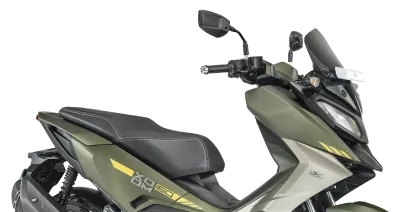
XTREME 160R 4V
163.2 cc engine
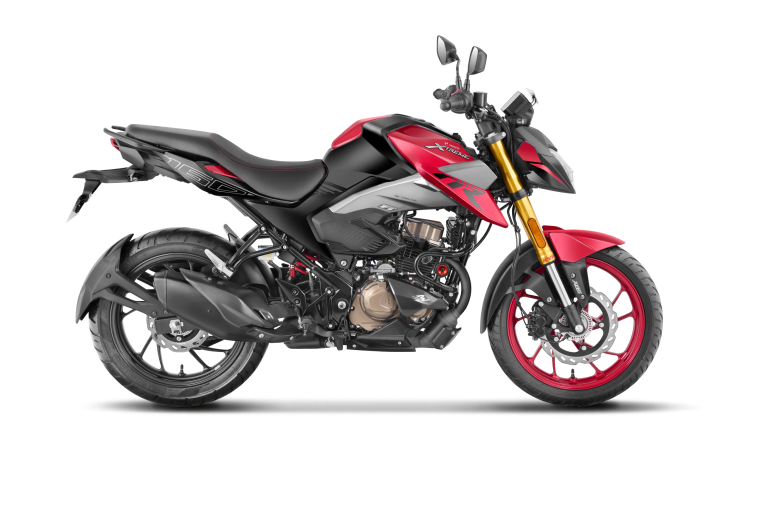
163.2 cc engine
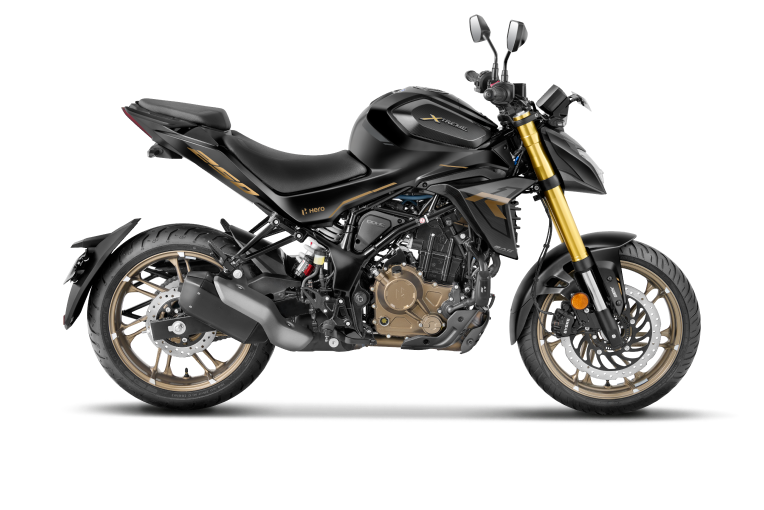
250 cc engine
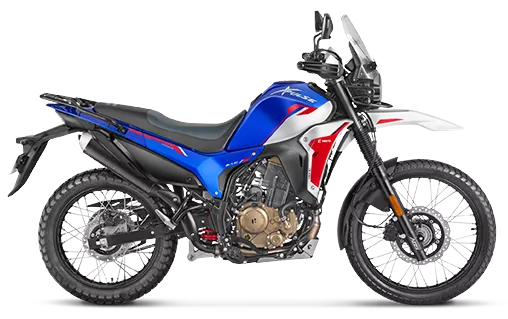
210 cc engine
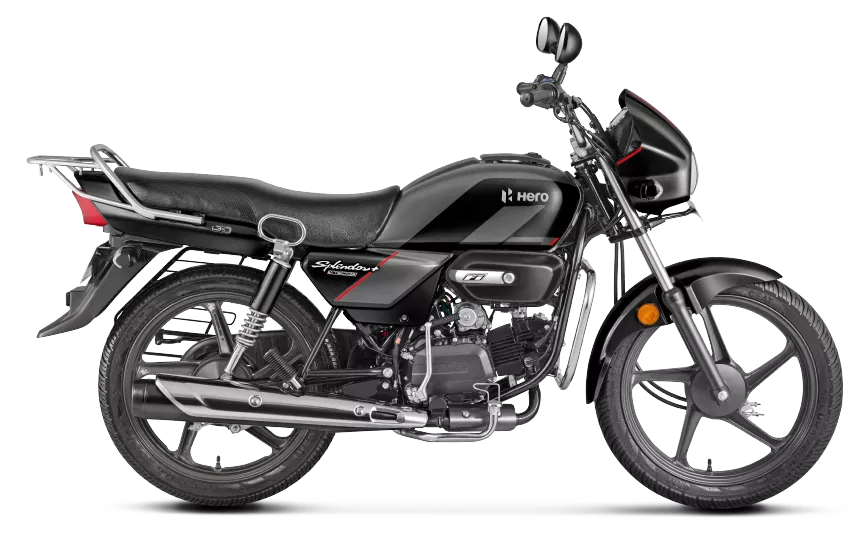
97.2 cc engine
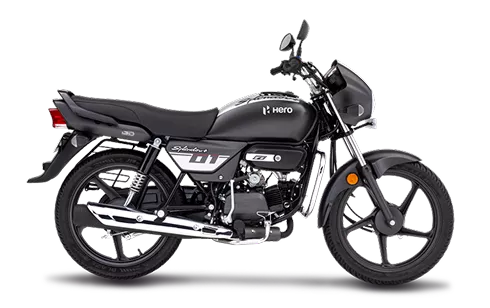
97.2 cc engine
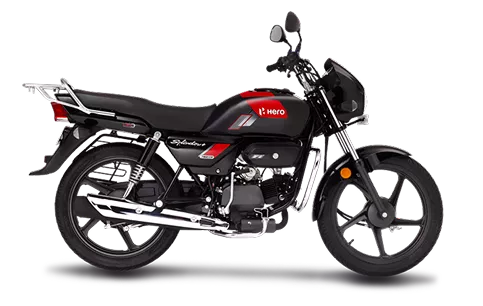
97.2 cc engine
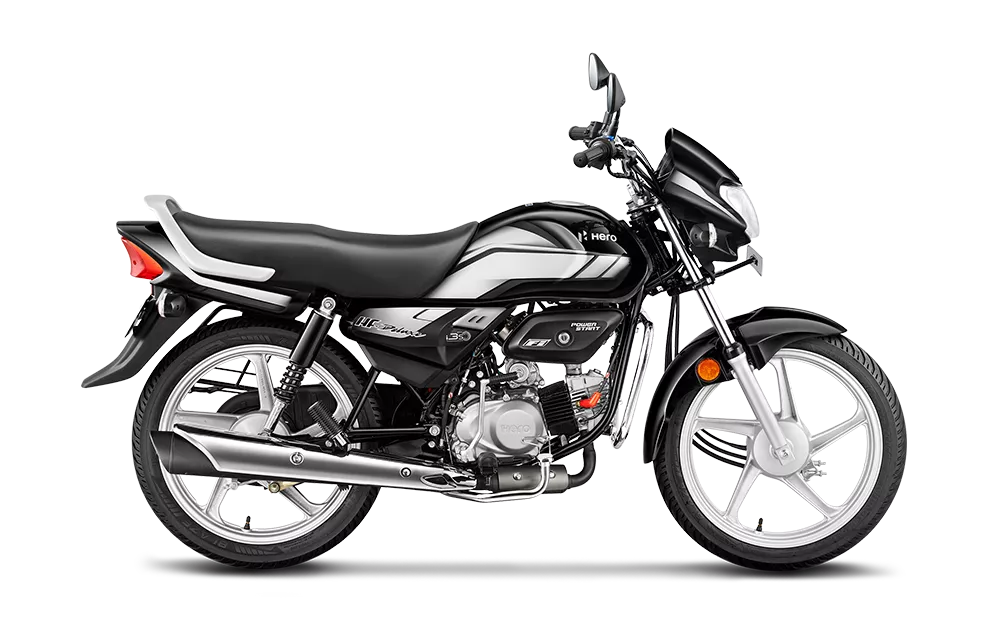
97.2 cc engine
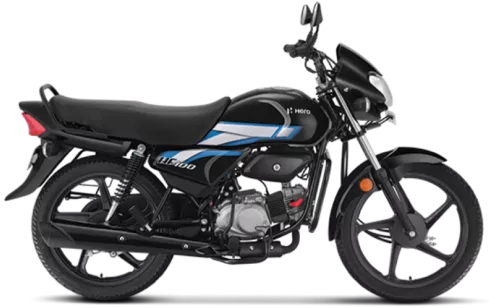
97.2 cc engine
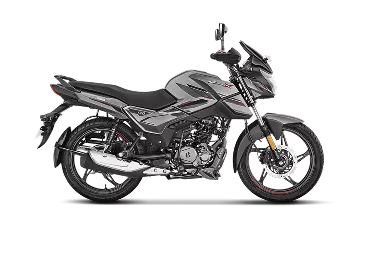
125 cc engine
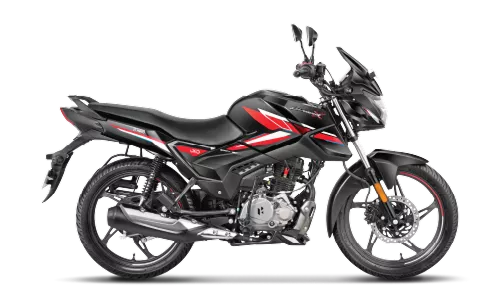
125 cc engine
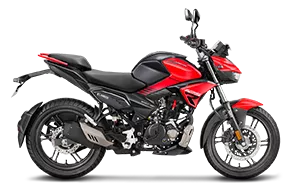
125 cc engine
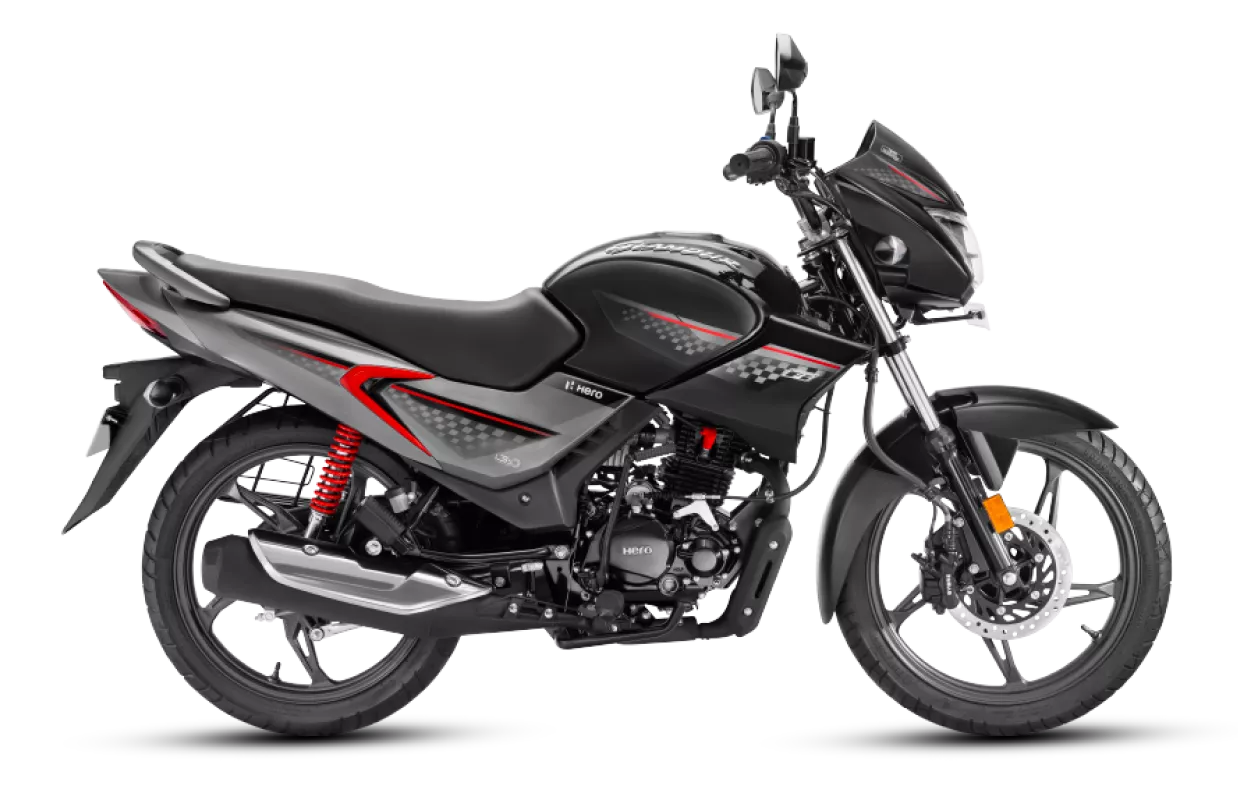
125 cc engine
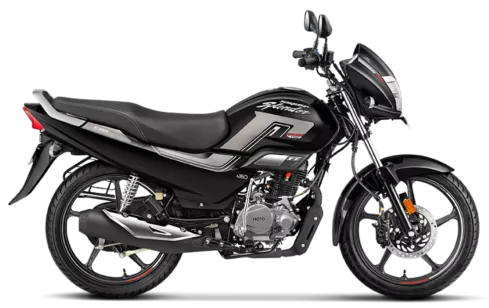
124.7 cc engine
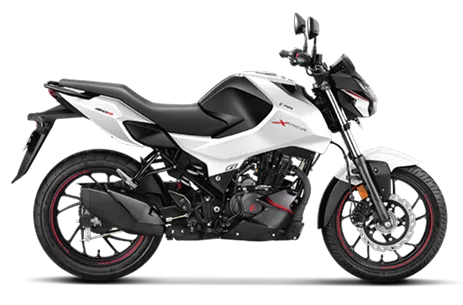
163.2 cc engine
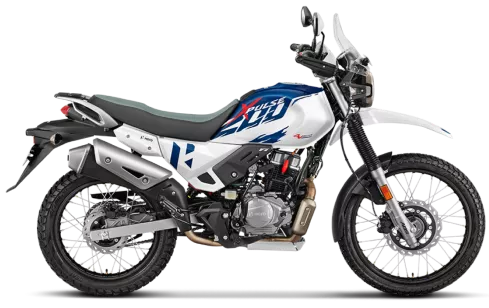
199.6 cc engine
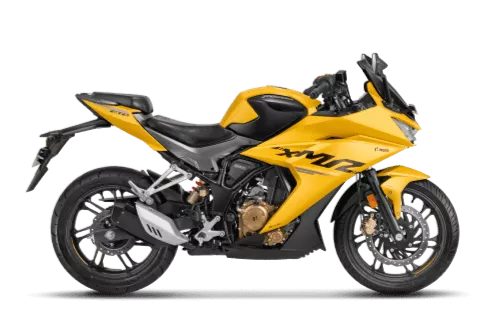
210 cc engine
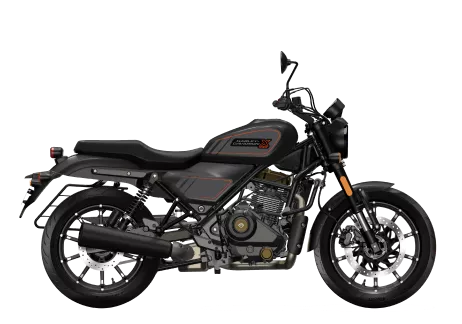
440 cc engine
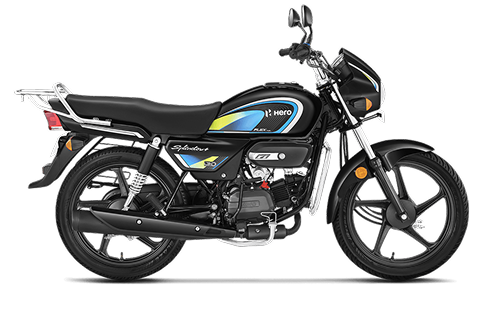
97.2 cc engine
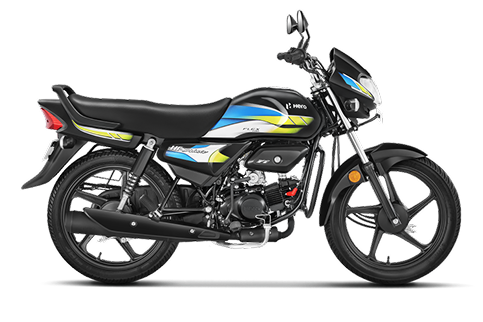
97.2 cc engine
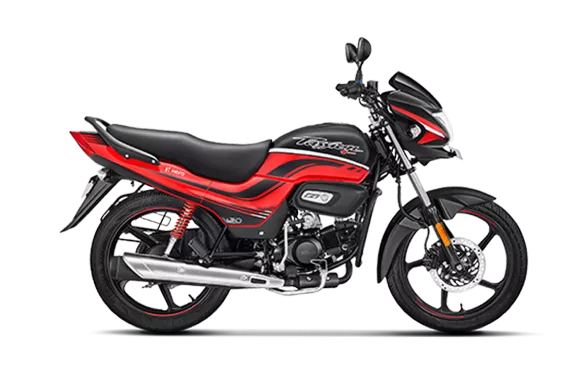
97.2 cc engine
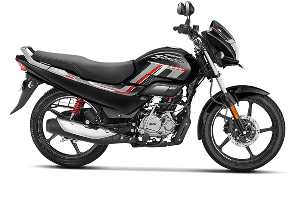
124.7 cc engine
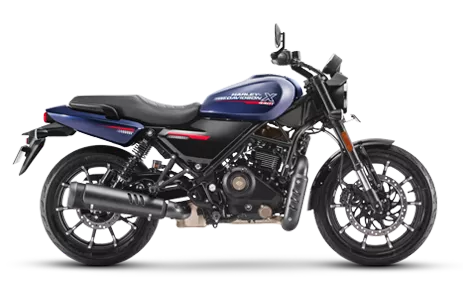
440 cc engine

163.2 cc
Air oil cooled, 4-stroke, Single cylinder, OHC
14.6 nm
@6500 RPM
Starting ex-showroom price
Delhi, Delhi
250 cc
4 Stroke, 4 Valve, Single Cylinder Liquid Cooled, DOHC
25 nm
@7250 RPM
Starting ex-showroom price
Delhi, Delhi
210 cc
4 Stroke 4 Valve Single Cylinder Liquid Cooled DOHC
20.7 nm
@7250 RPM
Starting ex-showroom price
Delhi, Delhi
97.2 cc
Air cooled, 4-stroke, Single cylinder, OHC
8.05 nm
@6000 RPM
Starting ex-showroom price
Delhi, Delhi
97.2 cc
Air cooled, 4-stroke, Single cylinder, OHC
8.05 nm
@6000 RPM
Starting ex-showroom price
Delhi, Delhi
97.2 cc
Air cooled, 4-stroke, Single cylinder, OHC
8.05 nm
@6000 RPM
Starting ex-showroom price
Delhi, Delhi
97.2 cc
Air cooled, 4-stroke, Single cylinder, OHC
8.05 nm
@6000 RPM
Starting ex-showroom price
Delhi, Delhi
97.2 cc
Air cooled, 4-stroke, Single cylinder, OHC
8.05 nm
@6000 RPM
Starting ex-showroom price
Delhi, Delhi
125 cc
Air cooled, 4-Stroke
8.5 kW
@8250 RPM
Starting ex-showroom price
Delhi, Delhi
125 cc
Air cooled, 4-Stroke
10.5 nm
@6500 RPM
Starting ex-showroom price
Delhi, Delhi
125 cc
5.7 sec, Acceleartion 0-60kmph
10.5 nm
@6500 RPM
Starting ex-showroom price
Delhi, Delhi
125 cc
Air cooled, 4-stroke, Single cylinder, OHC
10.6 nm
@6000 RPM
Starting ex-showroom price
Delhi, Delhi
124.7 cc
Air Cooled, 4-Stroke, OHC, Single Cylinder
10.6 nm
@6000 RPM
Starting ex-showroom price
Delhi, Delhi
163.2 cc
Air Cooled 4 stroke
14 nm
@6500 RPM
Starting ex-showroom price
Delhi, Delhi
199.6 cc
Oil Cooled, 4 stroke 4 Valve single cylinder OHC
17.35 nm
@6500 RPM
Starting ex-showroom price
Delhi, Delhi
210 cc
Liquid cooled, 4-stroke, Single cylinder, OHC
20.4 nm
@4000 RPM
Starting ex-showroom price
Delhi, Delhi
440 cc
Air cooled, 4-stroke, Single cylinder, OHC
38 nm
@4000 RPM
Starting ex-showroom price
Delhi, Delhi
97.2 cc
Air cooled, 4-stroke, Single cylinder, OHC
8.3 nm(with E85)
@ 6000 RPM
Starting ex-showroom price
Delhi, Delhi
97.2 cc
Air cooled, 4-stroke, Single cylinder, OHC
8.3 nm(with E85)
@ 6000 RPM
Starting ex-showroom price
Delhi, Delhi
97.2 cc
Air cooled, 4 stroke
8.05 nm
@6000 RPM
Starting ex-showroom price
Delhi, Delhi
124.7 cc
2V,Air cooled, 4 stroke single cylinder
10.6 nm
@ 6000 RPM
Starting ex-showroom price
Delhi, Delhi
440 cc
Air cooled, 4-stroke, Single cylinder, OHC
38 nm
@4000 RPM
Starting ex-showroom price
Delhi, Delhi
Starting ex-showroom price
Delhi, Delhi

163.2 cc engine
250 cc engine
210 cc engine
97.2 cc engine
97.2 cc engine
97.2 cc engine
97.2 cc engine
97.2 cc engine
125 cc engine
125 cc engine
125 cc engine
125 cc engine
124.7 cc engine
163.2 cc engine
199.6 cc engine
210 cc engine
440 cc engine
97.2 cc engine
97.2 cc engine
97.2 cc engine
124.7 cc engine
440 cc engine
163.2 cc
Air oil cooled, 4-stroke, Single cylinder, OHC
14.6 nm
@6500 RPM
250 cc
4 Stroke, 4 Valve, Single Cylinder Liquid Cooled, DOHC
25 nm
@7250 RPM
210 cc
4 Stroke 4 Valve Single Cylinder Liquid Cooled DOHC
20.7 nm
@7250 RPM
97.2 cc
Air cooled, 4-stroke, Single cylinder, OHC
8.05 nm
@6000 RPM
97.2 cc
Air cooled, 4-stroke, Single cylinder, OHC
8.05 nm
@6000 RPM
97.2 cc
Air cooled, 4-stroke, Single cylinder, OHC
8.05 nm
@6000 RPM
97.2 cc
Air cooled, 4-stroke, Single cylinder, OHC
8.05 nm
@6000 RPM
97.2 cc
Air cooled, 4-stroke, Single cylinder, OHC
8.05 nm
@6000 RPM
125 cc
Air cooled, 4-Stroke
8.5 kW
@8250 RPM
125 cc
Air cooled, 4-Stroke
10.5 nm
@6500 RPM
125 cc
5.7 sec, Acceleartion 0-60kmph
10.5 nm
@6500 RPM
125 cc
Air cooled, 4-stroke, Single cylinder, OHC
10.6 nm
@6000 RPM
124.7 cc
Air Cooled, 4-Stroke, OHC, Single Cylinder
10.6 nm
@6000 RPM
163.2 cc
Air Cooled 4 stroke
14 nm
@6500 RPM
199.6 cc
Oil Cooled, 4 stroke 4 Valve single cylinder OHC
17.35 nm
@6500 RPM
210 cc
Liquid cooled, 4-stroke, Single cylinder, OHC
20.4 nm
@4000 RPM
440 cc
Air cooled, 4-stroke, Single cylinder, OHC
38 nm
@4000 RPM
97.2 cc
Air cooled, 4-stroke, Single cylinder, OHC
8.3 nm(with E85)
@ 6000 RPM
97.2 cc
Air cooled, 4-stroke, Single cylinder, OHC
8.3 nm(with E85)
@ 6000 RPM
97.2 cc
Air cooled, 4 stroke
8.05 nm
@6000 RPM
124.7 cc
2V,Air cooled, 4 stroke single cylinder
10.6 nm
@ 6000 RPM
440 cc
Air cooled, 4-stroke, Single cylinder, OHC
38 nm
@4000 RPM
110 cc engine
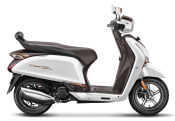
125 cc engine
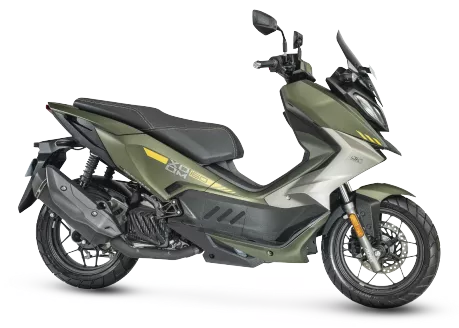
156 cc engine
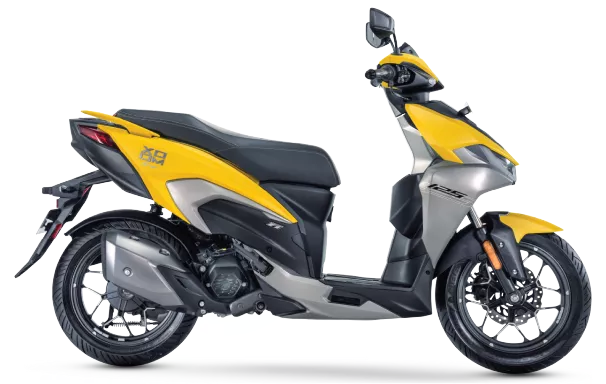
124.6 cc engine
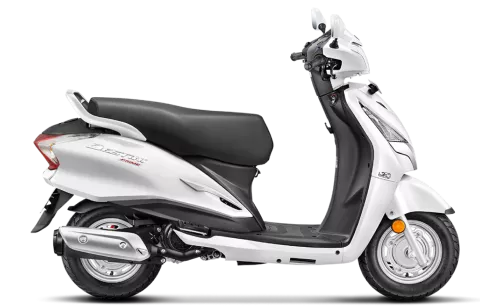
124.6 cc engine
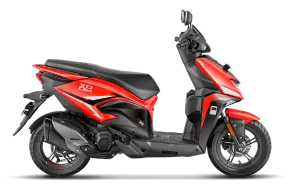
110.9 cc engine
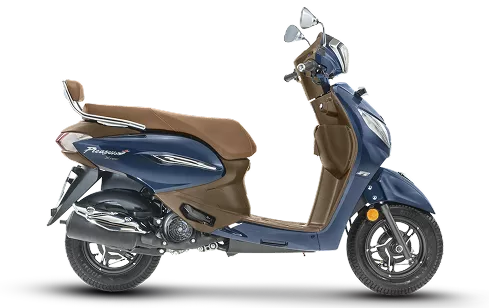
110.9 cc engine
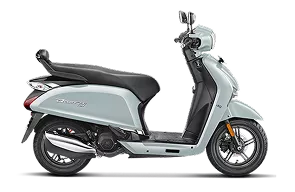
110 cc
Air Cooled, 4 stroke engine
8.7 nm
@5750 RPM
Starting ex-showroom price
Delhi, Delhi
125 cc
Air cooled, 4 stroke, SI engine
10.4 nm
@5500 RPM
Starting ex-showroom price
Delhi, Delhi
156 cc
Liquid cooled, 4 Valve single cylinder SOHC
14 nm
@6250 RPM
Starting ex-showroom price
Delhi, Delhi
124.6 cc
Air Cooled, 4 stroke, SI
10.4 nm
@6000 RPM
Starting ex-showroom price
Delhi, Delhi
124.6 cc
Air Cooled, 4-Stroke, SI Engine
10.36 nm
@5500 RPM
Starting ex-showroom price
Delhi, Delhi
110.9 cc
Air cooled, 4-stroke, SI engine
8.70 nm
@5750 RPM
Starting ex-showroom price
Delhi, Delhi
110.9 cc
Air cooled, 4-stroke Single Cylinder OHC
8.70 nm
@5500 RPM
Starting ex-showroom price
Delhi, Delhi
110 cc engine
125 cc engine
156 cc engine
124.6 cc engine
124.6 cc engine
110.9 cc engine
110.9 cc engine
110 cc
Air Cooled, 4 stroke engine
8.7 nm
@5750 RPM
125 cc
Air cooled, 4 stroke, SI engine
10.4 nm
@5500 RPM
156 cc
Liquid cooled, 4 Valve single cylinder SOHC
14 nm
@6250 RPM
124.6 cc
Air Cooled, 4 stroke, SI
10.4 nm
@6000 RPM
124.6 cc
Air Cooled, 4-Stroke, SI Engine
10.36 nm
@5500 RPM
110.9 cc
Air cooled, 4-stroke, SI engine
8.70 nm
@5750 RPM
110.9 cc
Air cooled, 4-stroke Single Cylinder OHC
8.70 nm
@5500 RPM
Here’s a conversation that plays out in showrooms across India every single day. Someone walks in with a rough budget and a vague idea of what they want, “something for daily commuting, maybe a scooter” and they immediately get pulled in two directions.
The salesperson is pointing at the 150cc, promising power and prestige. Meanwhile, their wallet is quietly nudging them toward the 125cc. Sound familiar? You’re not alone. The Hero 150cc vs 125cc which is better debate is genuinely one of the most searched comparisons in the two-wheeler space, and honestly, it doesn’t have one clean answer. It has several, depending entirely on who’s doing the riding.
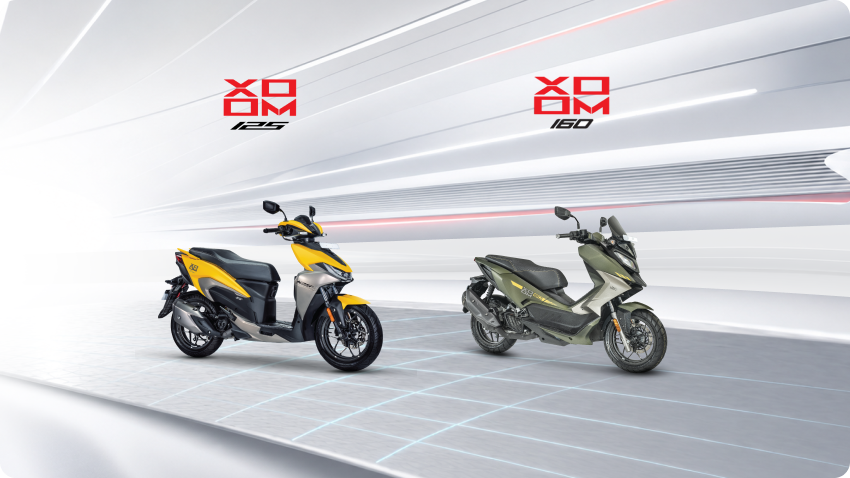
Before we get into the feel of things, let’s get the specs out in the open. These two machines are genuinely different animals under the skin, and that difference matters more than you’d think.
| Hero Xoom 125 (125cc) | Value |
| Displacement | 124.6 cc |
| Max Power | 9.8 bhp @ 7250 rpm |
| 0–60 kmph | 7.6 seconds |
| Kerb Weight | 120 kg |
| Fuel Tank | 5 L |
| Hero Xoom 160 (150cc) | Value |
| Displacement | 156 cc |
| Max Power | 14.6 bhp @ 8000 rpm |
| 0–60 kmph | Faster than its rivals |
| Kerb Weight | 142 kg |
| Fuel Tank | 7 L |
Now here’s what those numbers actually mean in the real world. The 156cc pushes out 14.6 bhp, that’s nearly 50% more power than the 124.6’s 9.8 bhp. But the 125cc comes back with something equally interesting: it weighs a full 22 kilograms less. That’s not trivial. That’s the weight of a loaded school bag you don’t have to lug around every single day.
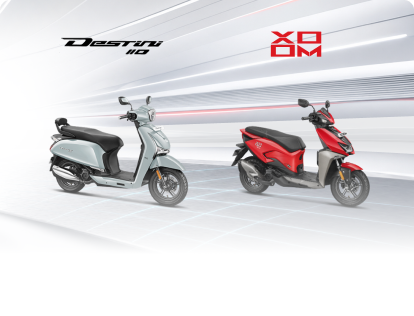
Let’s start with the segment that often gets underestimated and frankly, doesn’t deserve to be. The best 125cc Hero scooter in the current lineup surprises a lot of people who expect a slow, hesitant ride. The Hero Xoom 125 clocks 0 to 60 kmph in just 7.6 seconds. That is, quite honestly, faster than most people expect from a 125.
It’s quick enough to keep you comfortable in city traffic, merge onto arterial roads without white-knuckling the handlebar, and zip through gaps when that one auto suddenly brakes for no reason.
The light 120 kg weight is where this scooter really wins hearts, especially for newer riders, shorter riders, or anyone who parks on uneven ground. Manoeuvring in tight spots, U-turning in narrow lanes, balancing at red lights, all of it feels noticeably easier when the machine isn’t fighting you back.
Riders who’ve switched from heavier scooters often describe the 125 as feeling almost playful.
The 5L fuel tank is honestly sized just right for city use. You’re filling up more often, yes but the tank is compact, which keeps the weight distribution tight and the scooter feeling nimble. Mileage figures on 125cc engines tend to be very friendly too, so those fill-up trips end up costing less per kilometre than you’d expect. For someone riding 20–30 km daily on congested roads, this setup is remarkably well-calibrated.
Running costs, insurance, and maintenance all tend to be a little easier on the wallet in the 125cc bracket. If you’re a student, a first-time buyer, or simply someone who prioritises smart spending over bragging rights, the 125cc makes a very compelling argument.
Now, let’s talk about why the 150cc Hero scooter has built such a loyal following. The Xoom 160 packs 14.6 bhp at 8000 rpm and you feel every bit of that extra muscle the moment you open the throttle on an open road. If your commute includes highway stretches, flyovers with steep gradients, or suburban roads where traffic moves at 70–80 kmph, the 150cc is genuinely the more relaxed ride. It doesn’t strain. It doesn’t buzz. It just goes.
The 7L fuel tank is a real convenience upgrade. Longer range between fill-ups means fewer detours to petrol stations, something that sounds minor until you’re running late and realise you’re on reserve. For riders who clock 50+ km per day, or those who frequently ride outstation on weekends, that larger tank translates into genuine peace of mind.
Yes, it weighs 142 kg, which is heavier than the 125 by a meaningful margin. But for taller, more experienced riders, that weight translates into a feeling of solidity and composure, especially at speeds above 70 kmph. The scooter feels settled rather than skittish. On long rides, that composure is worth quite a bit.
| YOUR SITUATION | BETTER PICK | WHY |
| City-only commuter, under 30 km/day | 125cc | Lighter, agile, more fuel-efficient in stop-go traffic |
| Daily highway or mixed riding, 40–70 km/day | 150cc | More comfortable at sustained speeds, less engine strain |
| First-time rider or shorter build | 125cc | 22 kg lighter means easier handling and less fatigue |
| Frequent pillion riding | 150cc | Extra power handles two-up loads with confidence |
| Tight budget, low running costs priority | 125cc | Lower purchase price, insurance, and maintenance |
| Weekend rides + long-distance trips | 150cc | Larger tank, stronger performance on gradient roads |
Here’s the thing. Most of the debate around these two segments stays fixated on peak performance numbers. But the more useful question is: what does your ride actually look like on a typical Tuesday morning?
If that Tuesday involves dense city traffic, multiple turns, squeezing past autos, parking in a cramped basement, and maybe a 15-minute stretch on a moderately busy road, the 125cc is going to feel like the right tool for the job, day after day. It won’t feel underpowered. It’ll feel sharp, efficient, and easy.
If that Tuesday involves a 30-minute expressway run, carrying your partner on the back, hitting an elevated road with a sharp incline, and then parking comfortably in a wider space, the 150cc is going to reward you with confidence and composure that the 125 simply can’t match at those conditions.
Neither scooter is a compromise. They’re both well-engineered machines designed for different kinds of riders. So take five minutes, be honest about where you actually ride, and let that answer tell you which side of this debate you belong on. The specs are just the beginning of that conversation.
Q1. Is the Hero Xoom 125 fast enough for city riding?


Absolutely. It hits 0–60 kmph in just 7.6 seconds, making it one of the quickest 125cc scooters you can buy right now.
Q 2. Why is the 125cc lighter than the 150cc?
The Xoom 125 weighs 120 kg versus the Xoom 160's 142 kg, that 22 kg difference makes a noticeable impact on handling and everyday manoeuvrability.
Q3. Does the 150cc Hero scooter need more fuel?
It has a larger 7L tank compared to the 125's 5L, so you fill up less often, great if you're covering longer daily distances.
Q4. Which is better for a first-time rider: 125cc or 150cc?
The 125cc is generally the smarter starting point; it's lighter, easier to handle, and more forgiving in tight city traffic.
Q5. Is the 150cc worth the extra cost?
If you ride highways, carry a pillion regularly, or clock 50+ km daily, the extra power and range of the 150cc justify the premium easily.
Q1. Is the Hero Xoom 125 fast enough for city riding?
Absolutely. It hits 0–60 kmph in just 7.6 seconds, making it one of the quickest 125cc scooters you can buy right now.
Q 2. Why is the 125cc lighter than the 150cc?
The Xoom 125 weighs 120 kg versus the Xoom 160's 142 kg, that 22 kg difference makes a noticeable impact on handling and everyday manoeuvrability.
Q3. Does the 150cc Hero scooter need more fuel?
It has a larger 7L tank compared to the 125's 5L, so you fill up less often, great if you're covering longer daily distances.
Q4. Which is better for a first-time rider: 125cc or 150cc?
The 125cc is generally the smarter starting point; it's lighter, easier to handle, and more forgiving in tight city traffic.
Q5. Is the 150cc worth the extra cost?
If you ride highways, carry a pillion regularly, or clock 50+ km daily, the extra power and range of the 150cc justify the premium easily.


 Angola
 Argentina
 Bangladesh
 Bolivia
 Colombia
 Costa Rica
 Dominican Republic
 DRC
DRC
 Ecuador
 El Salvador
 Ethiopia
 France
 GCC
GCC
 Germany
 Great Britain
 Guatemala
 Guinea
 Guyana
 Haiti
Haiti
 Honduras
 Italy
Italy
 Kenya
Kenya
 Madagascar
 Mexico
 Myanmar
 Nepal
Nepal
 Nicaragua
 Nigeria
 Panama
 Peru
Peru
 Philippines
 South Africa
 Spain
Spain
 Sri Lanka
 Tanzania
 Trinidad
 Turkey
 Uganda
 Zambia