





.svg)





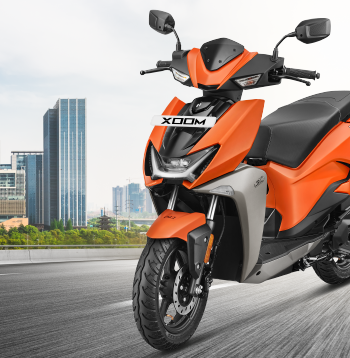
Motorcycles are more than just a mode of transport in Nepal, they are a daily necessity. From narrow city streets to winding hill roads and unpredictable weather, riders face unique challenges every day.
While traffic awareness is important, true road safety begins much earlier, with how well your bike is maintained and how responsibly you ride it.
Get ready to explore how simple habits can make a big difference to your safety and the safety of others on Nepal’s roads.
Why Bike Maintenance Matters More Than You Think
Many riders focus on mileage, speed, or looks, but overlook routine care. In reality, motorcycle safety maintenance is the backbone of safe riding. A well-maintained bike responds better, stops quicker, and handles unexpected road conditions more smoothly.
In Nepal, roads can change suddenly, from smooth highways to gravel patches or potholes. A neglected bike may fail when you need it most, while a properly maintained one gives you confidence and control.
Brakes: Your First Line of Defense
If there’s one system you should never ignore, it’s your brakes. Slippery roads during monsoon season, sudden pedestrian crossings, and steep downhill routes demand strong and responsive braking.
A regular brake system safety inspection helps identify worn brake pads, low brake fluid, or uneven braking performance before they turn dangerous. Good brakes prevent panic situations and reduce reaction time in emergencies.
Servicing Isn’t a Cost, It’s an Investment
Many riders delay servicing to save money, but skipping maintenance often leads to bigger repairs later. More importantly, it increases accident risk.
Adopting safe riding through regular servicing ensures your engine, tyres, suspension, and electricals work together efficiently. When your bike runs smoothly, you’re less likely to face sudden breakdowns in traffic or on remote roads where help may not be easily available.
Think of servicing as preventive care, not a repair job after something goes wrong.
Riding Smart Is Just as Important as Riding Skillfully
Even a perfectly maintained bike needs a responsible rider. Speeding, tailgating, and ignoring traffic rules are major contributors to accidents across Nepal.
Following simple two-wheeler road safety tips, like wearing proper protective gear, using indicators early, maintaining a safe distance, and adjusting speed based on road conditions, can significantly reduce risks. Defensive riding helps you anticipate mistakes made by others and react safely.
Preventing Accidents Before They Happen
Accidents rarely occur due to a single reason. Most are a result of small issues piling up: poor tyres, weak brakes, low visibility, or rider fatigue.
Applying basic Hero motorcycle accident prevention tips, such as checking tyre pressure weekly, avoiding night riding when tired, and slowing down on unfamiliar roads, can dramatically lower your chances of getting into trouble. Prevention is always easier than recovery.
Think Long-Term, Ride Long-Term
Your bike is a long-term companion, not a short-term tool. Riders who focus on long-term vehicle safety care enjoy better performance, higher resale value, and most importantly, peace of mind.
This approach includes timely oil changes, chain lubrication, proper storage during off-season use, and replacing worn parts before they fail. Over time, these habits create a safer riding ecosystem for everyone on the road.
Make Maintenance a Habit, Not a Reminder
If you often forget service dates, you’re not alone. The solution is to follow a simple regular bike servicing guide, track kilometres, follow manufacturer schedules, and listen to warning signs like unusual noise or reduced braking feel.
Setting reminders or servicing your bike before major trips can save you from unexpected risks and expenses.
Safer Roads Start With You
Improving road safety in Nepal isn’t only the responsibility of traffic authorities, as it starts with individual riders. A well-maintained bike combined with mindful riding habits creates safer roads, fewer accidents, and a more enjoyable riding experience.
So the next time you plan a ride, ask yourself: Is my bike ready, and am I riding responsibly? Small actions today can protect lives tomorrow.
 Angola
 Argentina
 Bangladesh
 Bolivia
 Colombia
 Costa Rica
 Dominican Republic
 DRC
DRC
 Ecuador
 El Salvador
 Ethiopia
 France
 GCC
GCC
 Germany
 Great Britain
 Guatemala
 Guinea
 Guyana
 Haiti
Haiti
 Honduras
 India
India
 Italy
Italy
 Kenya
Kenya
 Madagascar
 Mexico
 Myanmar
 Nicaragua
 Nigeria
 Panama
 Peru
Peru
 Philippines
 South Africa
 Spain
Spain
 Sri Lanka
 Tanzania
 Trinidad
 Turkey
 Uganda
 Zambia