








Buying your first motorcycle is a little like ordering food when you're extremely hungry, you tend to make emotional decisions.
You see a bike with aggressive styling, hear a powerful exhaust note, or watch a thrilling online review, and suddenly you're convinced you've found "the one."
A few months later, however, reality arrives. The riding position feels uncomfortable, fuel costs are higher than expected, or the bike simply doesn't fit your daily lifestyle.
The truth is that many riders learn important lessons only after buying their first Hero motorbike . To save you from making the same mistakes, let's explore what experienced riders often wish they had known from the beginning.
Lesson #1: Don't Buy a Bike for Someone Else's Lifestyle
One of the biggest mistakes first-time buyers make is choosing a motorcycle based on what looks cool rather than what fits their actual needs.
Ask yourself:
Will you ride mostly in the city?
Do you plan to travel long distances?
Are weekend adventures part of the plan?
Will you frequently carry a passenger?
The right type of motorbike depends entirely on how you intend to use it.
A motorcycle that feels perfect for an adventure enthusiast may be completely unnecessary for someone who only rides to work and back. Likewise, a city-focused commuter may not satisfy a rider who dreams of exploring remote roads every weekend.
Lesson #2: Comfort Matters More Than You Think
When you're standing in a showroom, every bike feels exciting.
After three hours in the saddle, however, excitement quickly gives way to reality.
Many new riders underestimate the importance of ergonomics. Comfortable seating, natural handlebar positioning, and rider-friendly posture can dramatically improve the ownership experience.
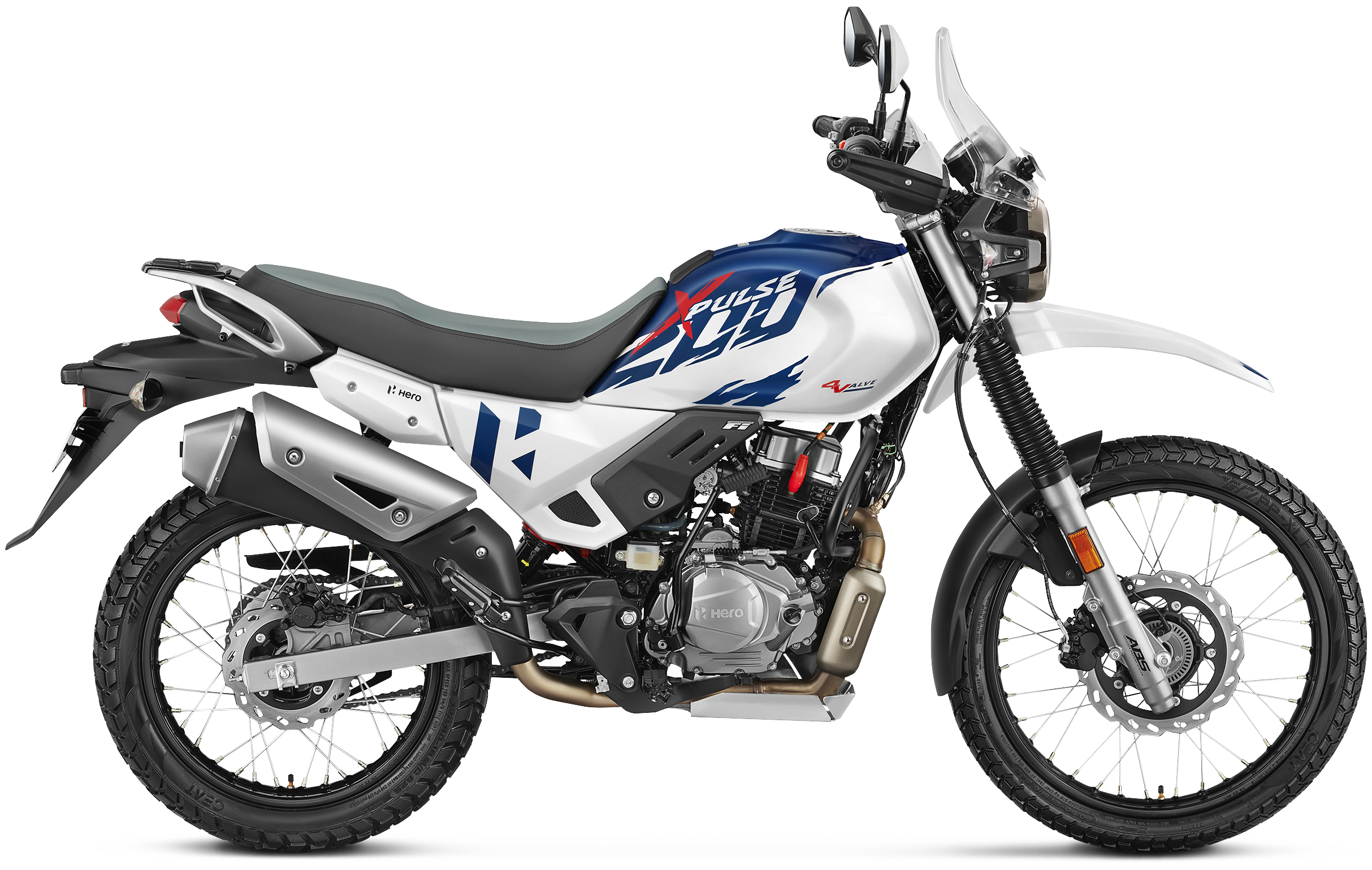
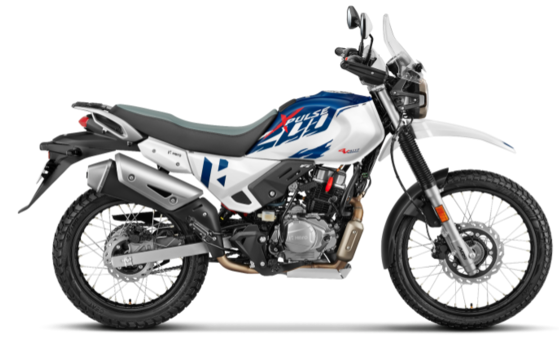
Take the Hero Xpulse 200 4V as an example. With its Updated Rider Ergonomics, the motorcycle is designed to support comfort across different riding situations. Whether you're commuting through traffic or heading out on longer journeys, rider comfort plays a much bigger role than most first-time buyers realize.
Trust us, your back will thank you later.
Lesson #3: Adventure Isn't Always About Speed
A surprising number of first-time riders focus heavily on top speed and acceleration.
While performance is exciting, versatility often proves more valuable in everyday riding.
The Xpulse 200 4V demonstrates this well. Its Dual Purpose Tyres allow riders to confidently transition between paved roads and rougher terrain, while the protective aluminium bash plate adds durability when venturing beyond the city.
Many experienced riders eventually discover that the freedom to explore different roads can be more rewarding than simply having the fastest motorcycle on the block.
Lesson #4: Safety Features Are Never "Optional"
If there's one thing seasoned riders consistently recommend, it's prioritising safety from day one.
A motorcycle may look fantastic and perform brilliantly, but modern safety features can make a significant difference in real-world riding situations.
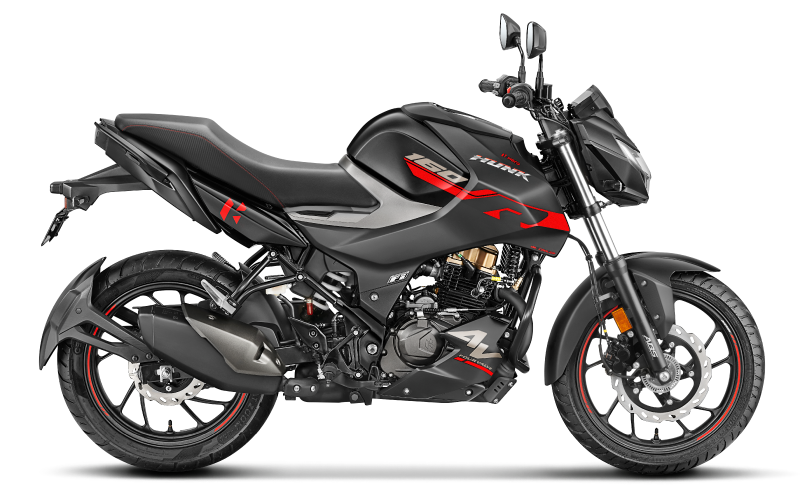
The Hero Hunk 160R 4V offers several examples. Features such as front- and rear-petal disc brakes provide strong braking capability, while the anti-lock braking system helps maintain control during sudden braking situations.
It also includes Hazard Warning Lights, improving visibility and communication with other road users when needed.
These features may not be the first things you notice in a showroom, but they're often the ones you'll appreciate most when riding conditions become unpredictable.
Lesson #5: Don't Focus Only on the Purchase Price
Many first-time buyers spend weeks comparing the two wheeler bike price of different motorcycles.
While budget is important, ownership costs extend far beyond the showroom floor.
Fuel consumption, servicing, insurance, maintenance, tyres, and spare parts all contribute to the overall cost of ownership.
This is why so many riders actively search for the best mileage bike when making a purchase. Better fuel efficiency can have a meaningful impact on long-term running costs.
The smartest buyers evaluate both the purchase price and the cost of living with the motorcycle over time.
Lesson #6: Your First Bike Doesn't Have to Be Your Forever Bike
Here's a reassuring thought:
Your first motorbike doesn't need to be perfect.
It simply needs to help you learn, gain confidence, and enjoy riding.
Many experienced riders eventually upgrade, change riding styles, or explore different categories of motorcycles as their needs evolve. The goal isn't to find the perfect motorcycle for the next 20 years. It is to find the right motorcycle for where you are right now.
Buying your first motorcycle is one of the most exciting milestones in a rider's journey.
By focusing on comfort, safety, practicality, and your actual riding needs, not just appearance or performance, you'll make a decision that you'll appreciate long after the excitement of purchase day fades.
Whether you're drawn to the adventure-ready Xpulse 200 4V or the feature-rich Hunk 160R 4V, remember that the best motorcycle is the one that fits your lifestyle, not someone else's.
Ride smart, ride safe, and most importantly, enjoy the journey.
FAQs
1. What is the biggest mistake first-time motorcycle buyers make?
Choosing a bike based on looks or trends rather than their actual riding needs.
2. Why are ergonomics important on a motorcycle?
Good ergonomics improve comfort and reduce fatigue during daily and long-distance rides.
3. What are dual-purpose tyres used for?
They provide grip and versatility across both paved roads and light off-road terrain.
4. Why is ABS important for new riders?
ABS helps maintain control during sudden braking and can improve rider safety.
5. Should I focus only on a motorcycle's purchase price?
No. Consider fuel costs, maintenance expenses, insurance, and long-term ownership costs as well.


 Angola
 Argentina
 Bangladesh
 Bolivia
 Colombia
 Costa Rica
 Dominican Republic
 DRC
 Ecuador
 El Salvador
 Ethiopia
 France
 GCC
 Germany
 Great Britain
 Guatemala
 Guinea
 Guyana
 Haiti
 Honduras
 India
 Italy
 Kenya
 Madagascar
 Mexico
 Myanmar
 Nepal
 Nicaragua
 Nigeria
 Panama
 Peru
 South Africa
 Spain
 Sri Lanka
 Tanzania
 Trinidad
 Turkey
 Uganda
 Zambia