










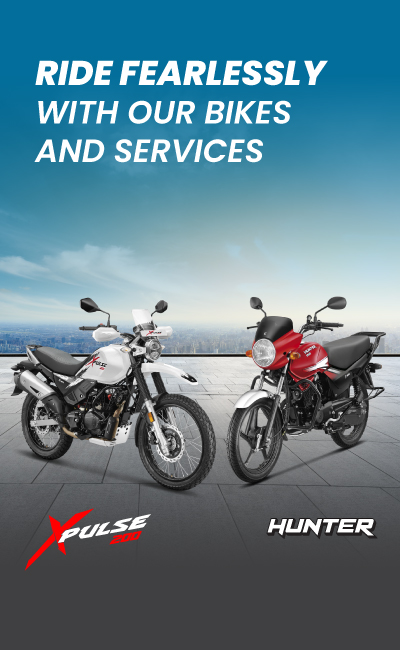
Tanzania’s streets are alive with motion, bustling cities, expanding towns, and rural routes that connect communities across vast landscapes. At the center of this movement is a powerful trend: the rising popularity of Hero motorcycles. From daily commuters to full-time moto taxi riders, more Tanzanians are choosing our bikes than ever before. But what’s really driving this surge?
Let’s give you a closer look at the exciting forces behind this growing demand.
The Rise of the Moto Taxi Economy
One of the biggest drivers of demand is the booming boda boda (moto taxi) industry. Thousands of riders depend on motorcycles for their livelihood, making durability and efficiency top priorities.
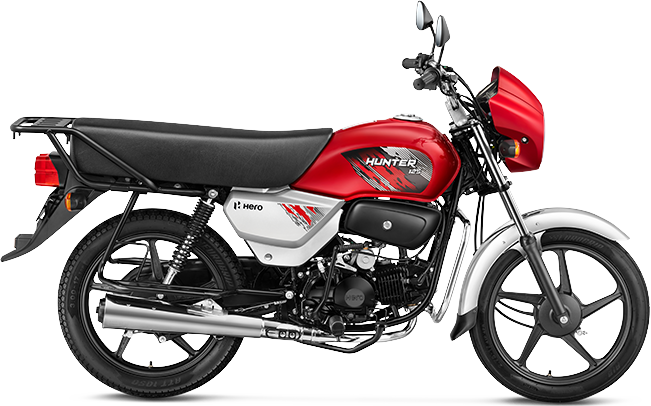
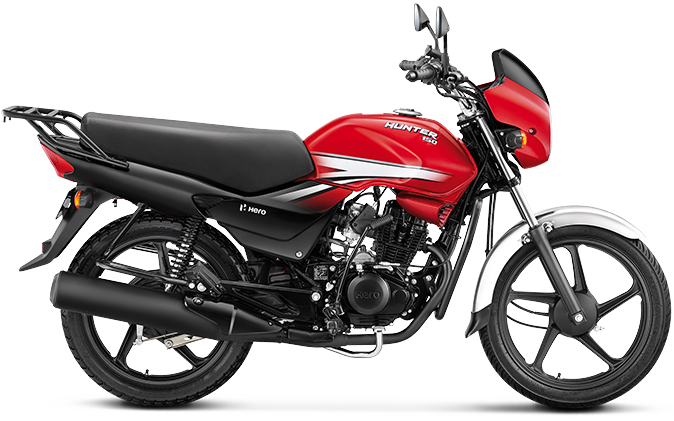
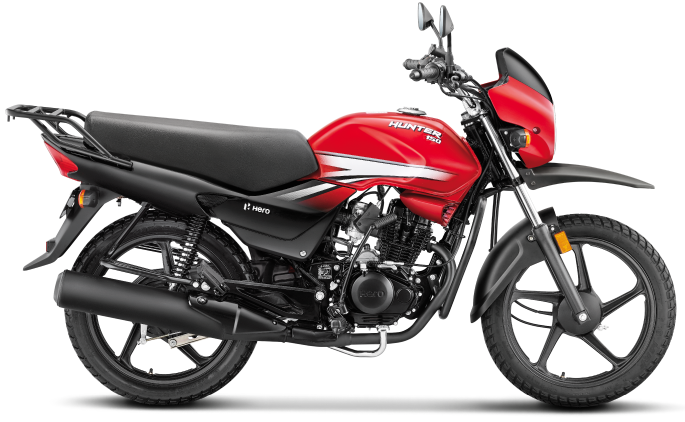
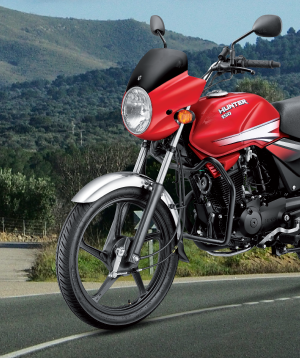
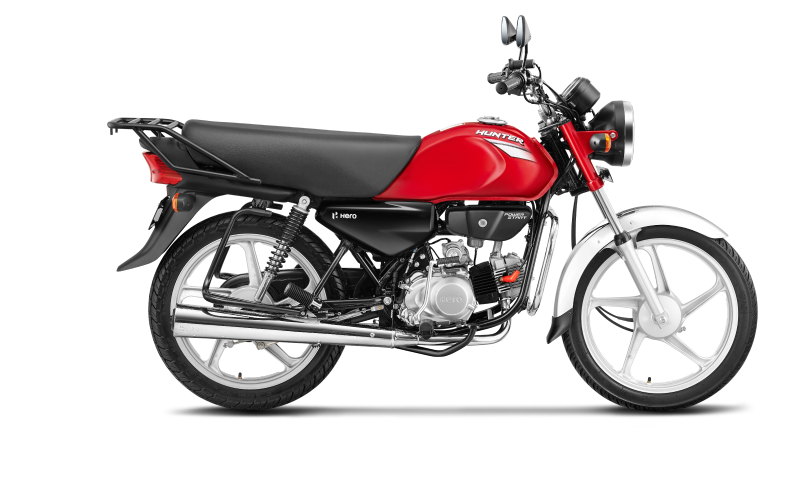
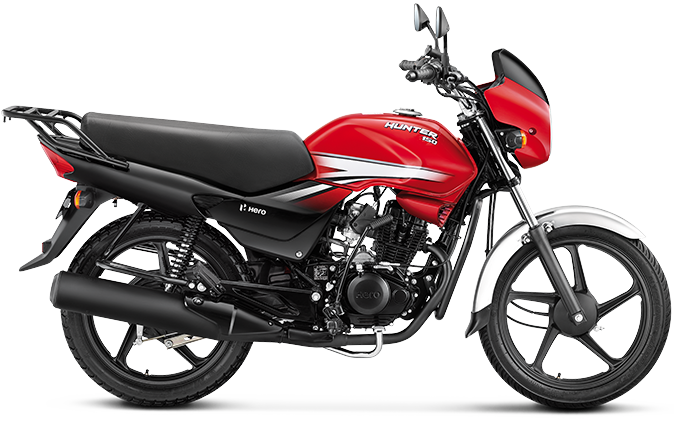
Our moto taxi range, Hero Hunter 100, 125, 150, and 150X, has quickly become a favorite in this segment. These bikes are designed to handle long hours, heavy usage, and varying road conditions.
• The Hunter 100 is perfect for entry-level riders starting their journey
• The Hunter 125 balances performance and affordability
• The Hunter 150 stands out as a dependable workhorse
• The Hunter 150X offers extra strength and versatility
These models are specifically built for the everyday hustle of Tanzanian riders, helping them earn consistently without frequent breakdowns. As noted in market insights, reliability and low maintenance are key reasons why riders are switching to Hero motorcycles.
Affordability Meets Value
Another major factor fueling demand is pricing. When discussing Hero bike price in Tanzania, we continue to strike a sweet spot between affordability and long-term value.
Our motorcycles are generally positioned as budget-friendly options with strong resale value. Even entry-level models offer solid performance without stretching the buyer’s finances.
For many Tanzanians, especially small business owners and young riders, this balance makes us an obvious choice, as it's all about investing in a reliable income-generating asset.
Low Maintenance, High Trust
Let’s be honest that no one wants a motorcycle that spends more time in the garage than on the road.
Our motorcycles are widely appreciated for their low maintenance requirements and easy availability of spare parts. In a country where service accessibility can vary, this becomes a huge advantage.
Hero Motorcycle Maintenance Tips:
• Stick to regular servicing schedules
• Use genuine spare parts from authorized dealers
• Keep the engine clean and well-lubricated
• Check tire pressure frequently for rough terrains
• Avoid overloading beyond recommended limits
These simple practices can significantly extend the life of a Hero bike, making it a dependable partner for years.
Expanding Dealer and Service Network
The growth of the Hero bike dealer in Tanzania network has also played a key role. With more authorised dealers and service centers across the country, customers now enjoy better access to:
• Genuine spare parts
• Professional servicing
• Warranty support
• Expert guidance
This expanding ecosystem builds trust and reassures buyers that they are making a safe, long-term investment.
The Road Ahead
Our expansion into African markets, including Tanzania, reflects a broader strategy to tap into high-growth regions. With increasing exports and a strong focus on emerging markets, the brand is clearly investing in the future of mobility across the continent.
As infrastructure improves and demand continues to rise, our motorcycles are well-positioned to remain a dominant force.
The growing demand for Hero motorcycles in Tanzania is in itself a transformation. Driven by affordability, reliability, and real-world practicality, we have successfully aligned its offerings with the needs of Tanzanian riders.
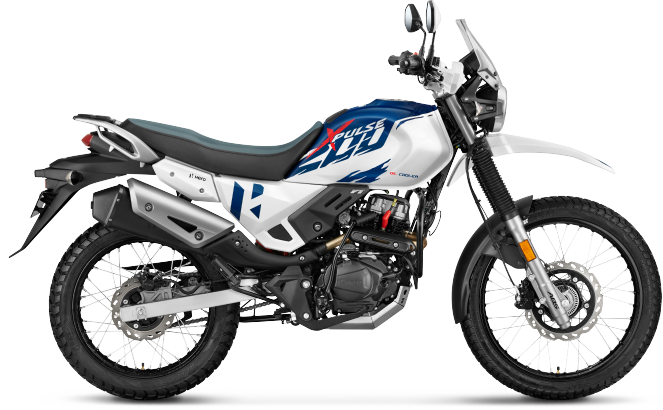
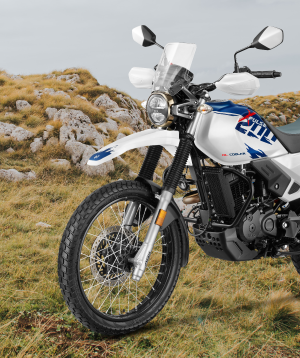
From the hardworking Hunter series powering the moto taxi economy to the adventurous Xpulse 200 inspiring personal journeys, we are shaping how Tanzania moves, one ride at a time.
And if this momentum continues, the future of two-wheel mobility in Tanzania looks more exciting than ever.
 Angola
 Argentina
 Bangladesh
 Bolivia
 Colombia
 Costa Rica
 Dominican Republic
 DRC
DRC
 Ecuador
 El Salvador
 Ethiopia
 France
 GCC
GCC
 Germany
 Great Britain
 Guatemala
 Guinea
 Guyana
 Haiti
Haiti
 Honduras
 India
India
 Italy
Italy
 Kenya
Kenya
 Madagascar
 Mexico
 Myanmar
 Nepal
Nepal
 Nicaragua
 Nigeria
 Panama
 Peru
Peru
 Philippines
 South Africa
 Spain
Spain
 Sri Lanka
 Trinidad
 Turkey
 Uganda
 Zambia