









If you’ve ever walked past a bustling Hero showroom and thought, “I’d love to run one of these,” you’re not alone.
Over years, we have become the most respected motorcycle brands globally, and our growing footprint in Uganda presents a lucrative business opportunity.
But what does it actually take to own a Hero dealership in Uganda? Get ready to learn all about the Hero dealership cost, key requirements, hurdles, and rewards that come with stepping into this exciting venture.
1. A Passion for Two-Wheelers (and Business)
First and foremost, owning a Hero dealership isn’t just about selling motorcycles but about building a trusted mobility brand in your community.
You need to be passionate about the world of two-wheelers, understand the needs of local riders, and most importantly, have the drive to run a business that’s both customer-centric and profitable.
2. Understanding the Initial Investment
Many aspiring entrepreneurs ask about the Hero dealership cost, and rightly so. Setting up a dealership requires an upfront investment that covers the showroom, service area, working capital, and branding as per Hero MotoCorp’s standards. While costs can vary based on location and size, you can expect to invest a reasonable amount to ensure a fully functional and brand-compliant setup. This covers infrastructure, stock, employee training, and marketing for the initial months.
We also require our dealers to maintain a certain level of inventory, spare parts, and service capacity, meaning you must be financially prepared to scale up quickly if demand rises.
3. Location, Location, Location
Your dealership’s success is directly tied to where it’s located. High-traffic zones near commercial areas, fuel stations, or transport hubs are ideal. Hero prefers locations that are easily accessible to both city dwellers and rural riders. Since Hero bikes are favoured for their fuel efficiency and durability, a central location helps in tapping into diverse customer segments, from boda-boda riders to daily commuters.
4. Meeting Hero’s Criteria
We hold our dealerships to high standards. You’ll need to:
Provide proof of financial capacity to run and scale the dealership.
Set up a dedicated showroom, service centre, and spare parts outlet as per Hero’s guidelines.
Hire qualified service staff and sales executives, trained either in-house or via Hero’s support network.
Meet monthly sales and service targets.
If you can check these boxes, we offer you a range of support services, from branding and training to logistics and marketing support.
5. After-Sales Service is Key
It’s not just about the sale but also about keeping the rider happy long after they’ve left your showroom. We place significant emphasis on service excellence. Your dealership will need to set up a fully-equipped service centre with trained technicians and a ready inventory of spare parts.
This commitment to service also sets you apart from the competition and builds brand loyalty. Riders want to know that they’re buying from one of the best motorcycle dealers in Uganda, and your after-sales reputation will be a major factor in that.
6. Knowing What Your Market Wants
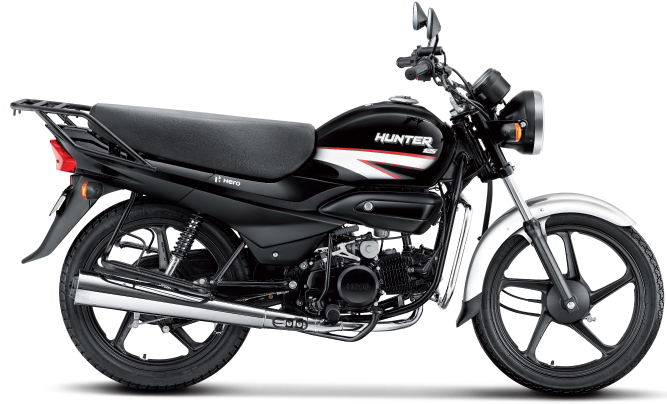
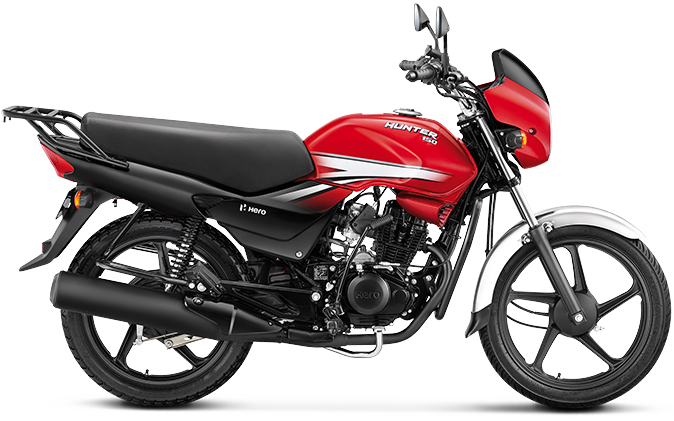
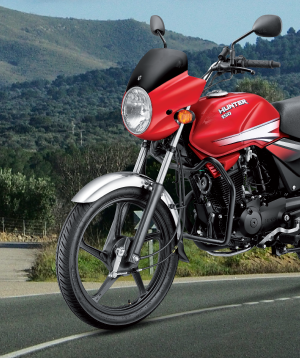
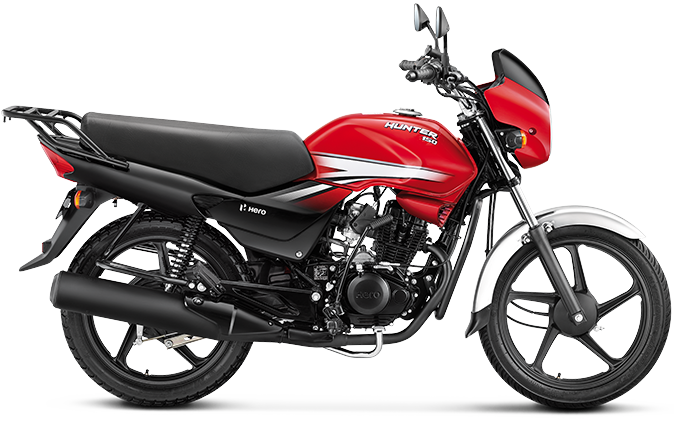
Hero has an excellent lineup of motorcycles for Uganda, and staying updated with customer demands is vital. For example, if you're wondering which Hero dealer has Hunter 150 in stock? It’s a question many customers ask today. The Hunter 150, known for its ruggedness and fuel efficiency, is in high demand, especially among delivery riders and youth commuters.
As a dealership owner, stocking trending models like the Hunter 150 can drive more footfall and increase your chances of upselling accessories or service plans.
7. Navigating Challenges
Running a dealership isn’t without challenges. Fluctuating fuel prices, economic changes, and evolving customer preferences mean you’ll have to stay agile. Logistics and timely stock replenishment can be a concern in more remote areas, but with Hero’s robust distribution network, many of these problems are manageable.
Also, competition is heating up. To maintain an edge, you’ll need to offer flexible finance options, partner with local microfinance institutions, and engage in community-based marketing.
7. The Reward: A Thriving Business with a Trusted Brand
Owning a Hero dealership in Uganda is about becoming a key player in the mobility movement of the country. As Hero expands its presence, early adopters and passionate entrepreneurs stand to gain both financially and reputationally. With rising motorcycle demand and an ever-increasing need for reliable two-wheelers, the timing couldn’t be better.
Become the Hero of Ride-Enthusiasts
If you're someone who’s been eyeing the Hero motorcycle dealership space and is willing to put in the effort, then starting a Hero dealership could be your big break. Just remember that it takes more than a showroom to build success. It takes passion, planning, and a strong commitment to customer satisfaction.
So, are you ready to ride into Uganda’s growing two-wheeler economy with Hero? The road is open and full of opportunity.
 Angola
 Argentina
 Bangladesh
 Bolivia
 Colombia
 Costa Rica
 Dominican Republic
 DRC
DRC
 Ecuador
 El Salvador
 Ethiopia
 France
 GCC
GCC
 Germany
 Great Britain
 Guatemala
 Guinea
 Guyana
 Haiti
Haiti
 Honduras
 India
India
 Italy
Italy
 Kenya
Kenya
 Madagascar
 Mexico
 Myanmar
 Nepal
Nepal
 Nicaragua
 Nigeria
 Panama
 Peru
Peru
 Philippines
 South Africa
 Spain
Spain
 Sri Lanka
 Tanzania
 Trinidad
 Turkey
 Zambia