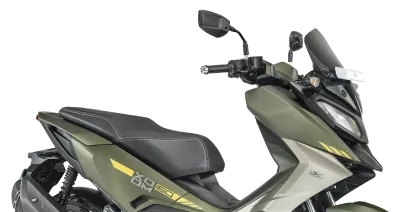
XTREME 250R
250 cc engine
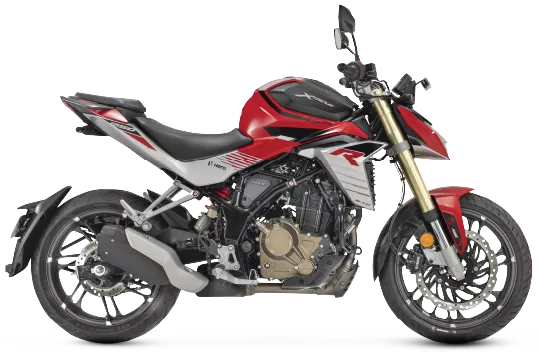
250 cc engine
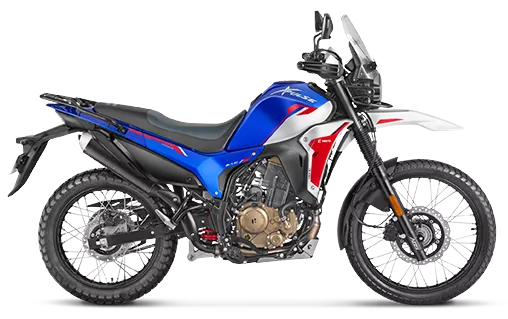
210 cc engine
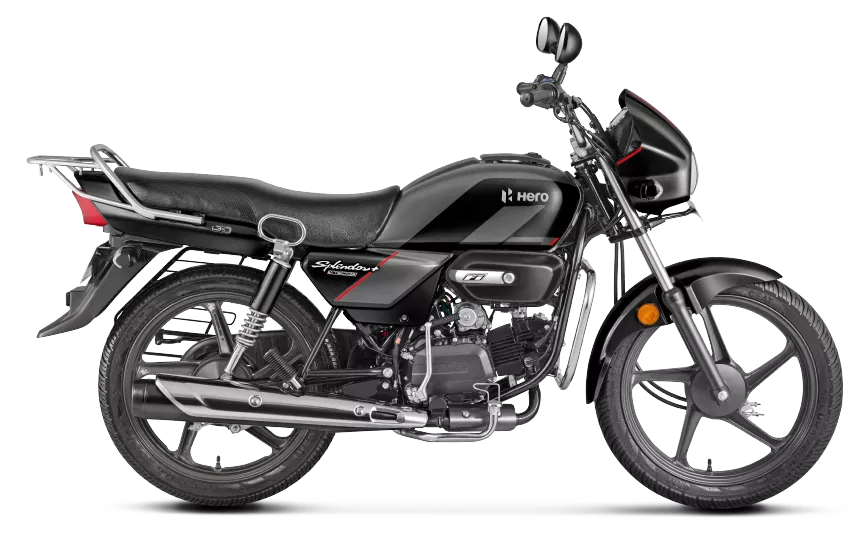
97.2 cc engine
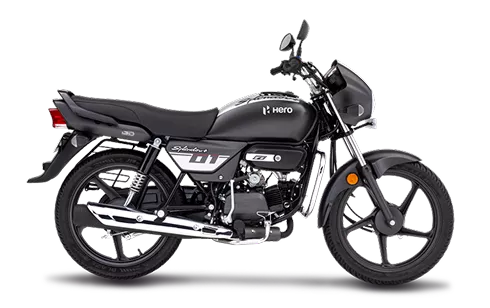
97.2 cc engine
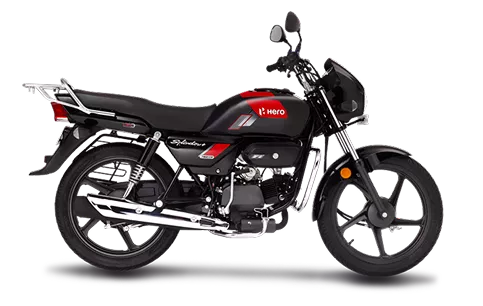
97.2 cc engine
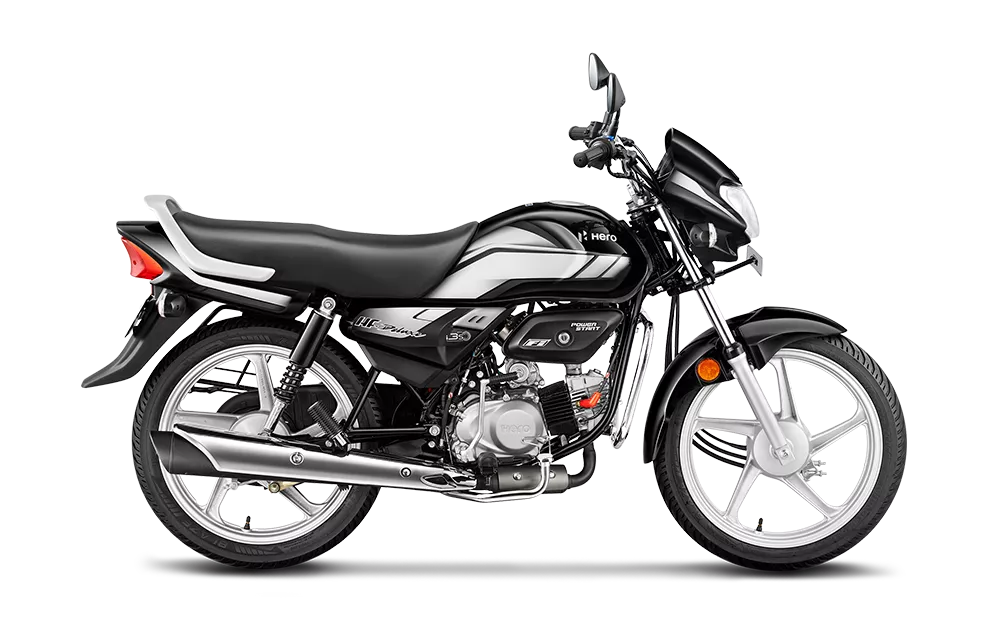
97.2 cc engine
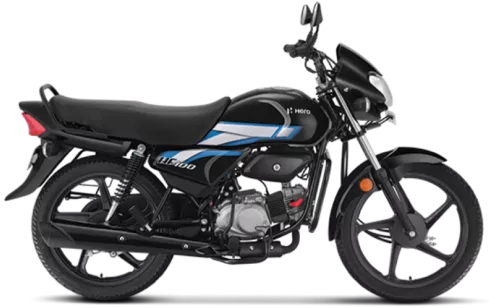
97.2 cc engine
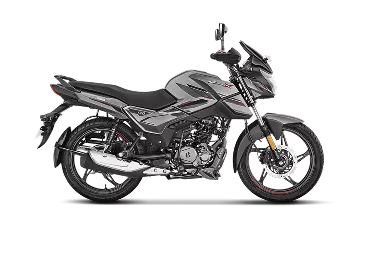
125 cc engine
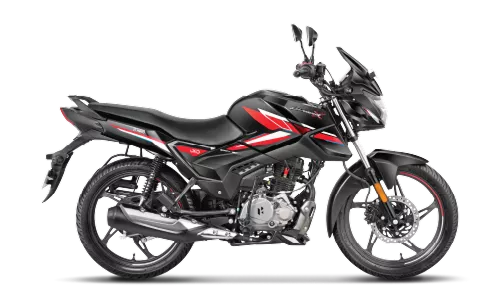
125 cc engine
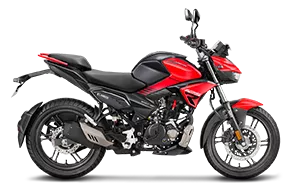
125 cc engine
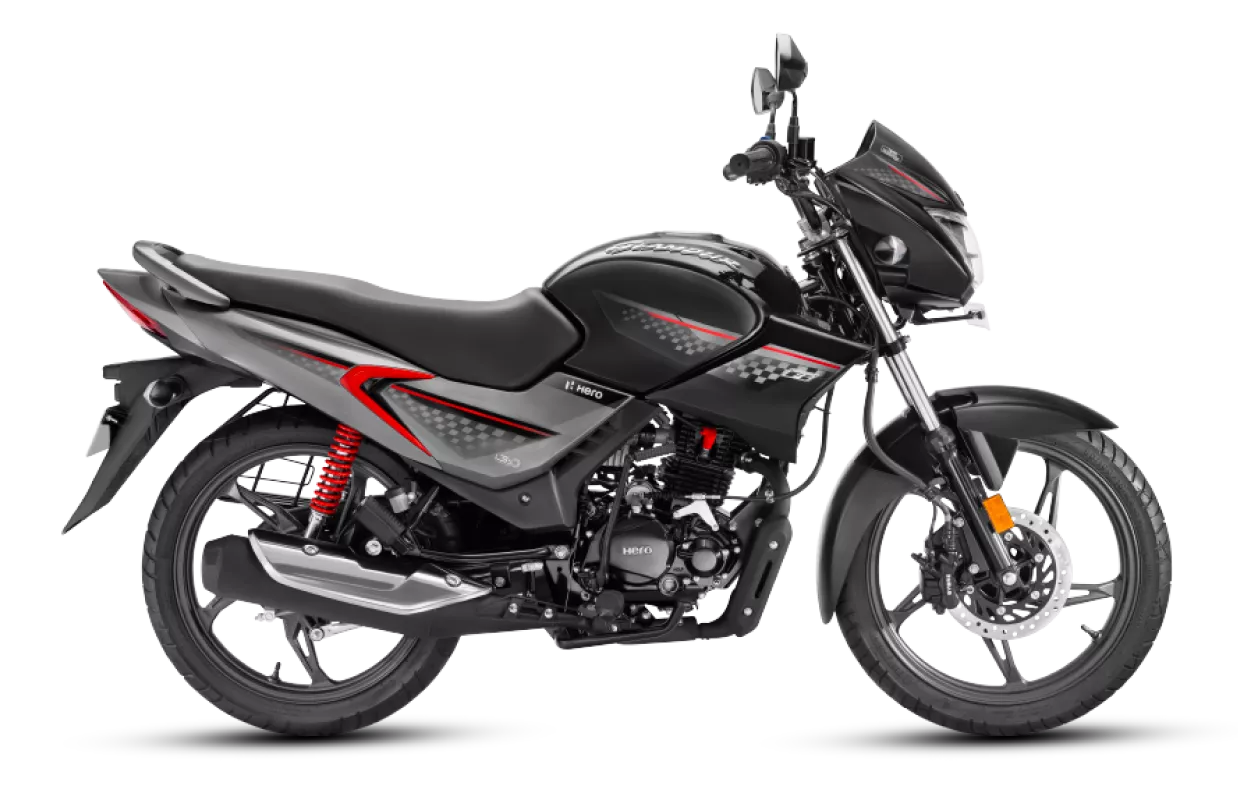
125 cc engine
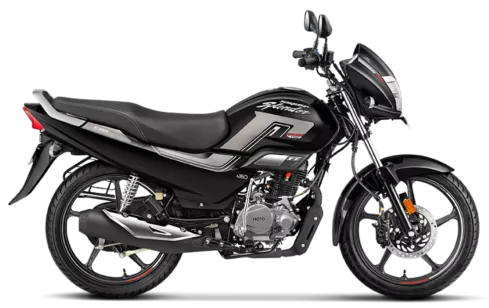
124.7 cc engine
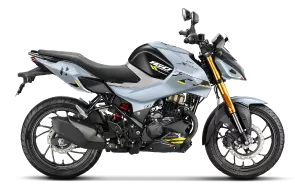
163.2 cc engine
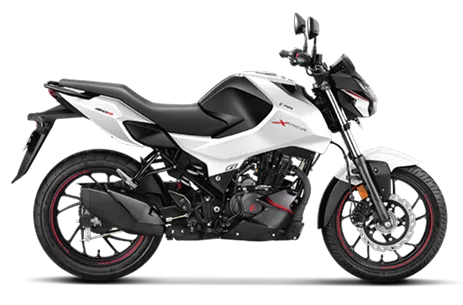
163.2 cc engine
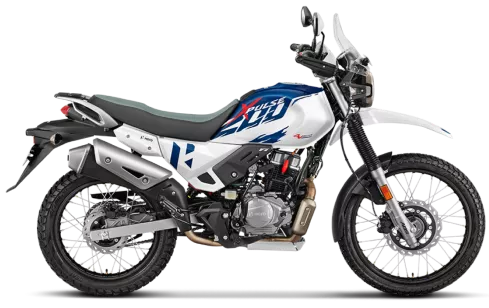
199.6 cc engine
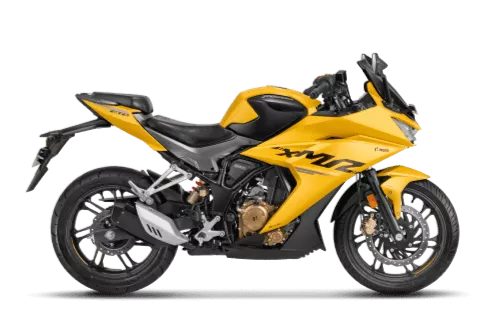
210 cc engine
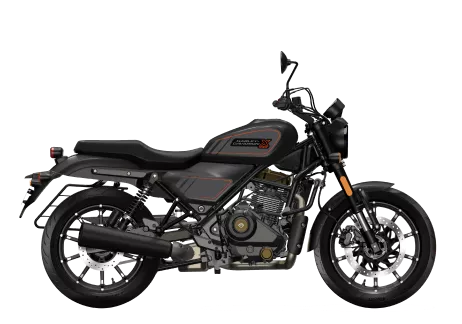
440 cc engine
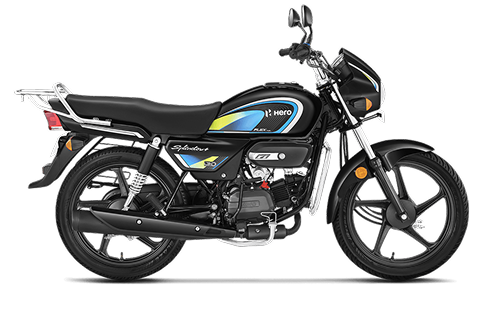
97.2 cc engine
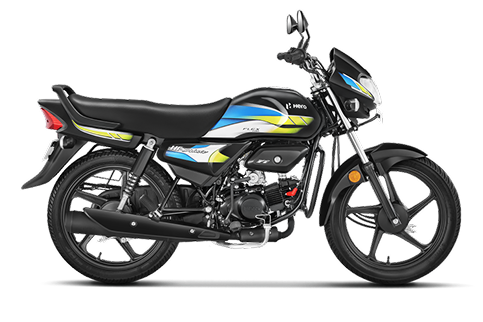
97.2 cc engine
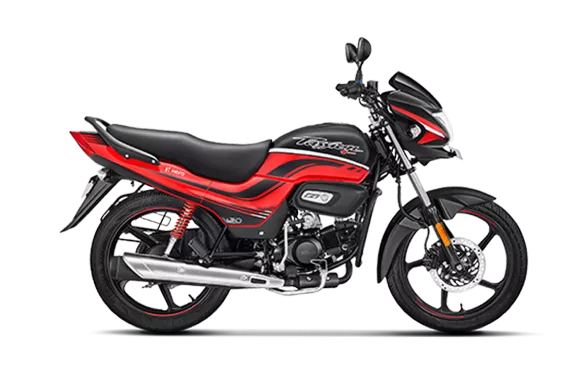
97.2 cc engine
124.7 cc engine
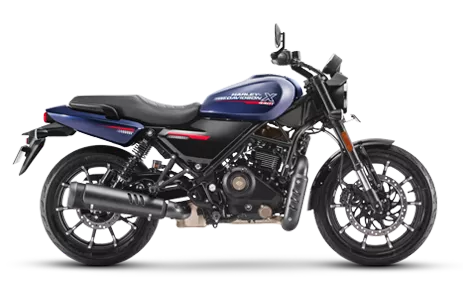
440 cc engine

250 cc
4 Stroke, 4 Valve, Single Cylinder Liquid Cooled, DOHC
25 nm
@7250 RPM
Starting ex-showroom price
Delhi, Delhi
210 cc
4 Stroke 4 Valve Single Cylinder Liquid Cooled DOHC
20.7 nm
@7250 RPM
Starting ex-showroom price
Delhi, Delhi
97.2 cc
Air cooled, 4-stroke, Single cylinder, OHC
8.05 nm
@6000 RPM
Starting ex-showroom price
Delhi, Delhi
97.2 cc
Air cooled, 4-stroke, Single cylinder, OHC
8.05 nm
@6000 RPM
Starting ex-showroom price
Delhi, Delhi
97.2 cc
Air cooled, 4-stroke, Single cylinder, OHC
8.05 nm
@6000 RPM
Starting ex-showroom price
Delhi, Delhi
97.2 cc
Air cooled, 4-stroke, Single cylinder, OHC
8.05 nm
@6000 RPM
Starting ex-showroom price
Delhi, Delhi
97.2 cc
Air cooled, 4-stroke, Single cylinder, OHC
8.05 nm
@6000 RPM
Starting ex-showroom price
Delhi, Delhi
125 cc
Air cooled, 4-Stroke
8.5 kW
@8250 RPM
Starting ex-showroom price
Delhi, Delhi
125 cc
Air cooled, 4-Stroke
10.5 nm
@6500 RPM
Starting ex-showroom price
Delhi, Delhi
125 cc
5.7 sec, Acceleartion 0-60kmph
10.5 nm
@6500 RPM
Starting ex-showroom price
Delhi, Delhi
125 cc
Air cooled, 4-stroke, Single cylinder, OHC
10.6 nm
@6000 RPM
Starting ex-showroom price
Delhi, Delhi
124.7 cc
Air Cooled, 4-Stroke, OHC, Single Cylinder
10.6 nm
@6000 RPM
Starting ex-showroom price
Delhi, Delhi
163.2 cc
Air oil cooled, 4-stroke, Single cylinder, OHC
14.6 nm
@6500 RPM
Starting ex-showroom price
Delhi, Delhi
163.2 cc
Air Cooled 4 stroke
14 nm
@6500 RPM
Starting ex-showroom price
Delhi, Delhi
199.6 cc
Oil Cooled, 4 stroke 4 Valve single cylinder OHC
17.35 nm
@6500 RPM
Starting ex-showroom price
Delhi, Delhi
210 cc
Liquid cooled, 4-stroke, Single cylinder, OHC
20.4 nm
@4000 RPM
Starting ex-showroom price
Delhi, Delhi
440 cc
Air cooled, 4-stroke, Single cylinder, OHC
38 nm
@4000 RPM
Starting ex-showroom price
Delhi, Delhi
97.2 cc
Air cooled, 4-stroke, Single cylinder, OHC
8.3 nm(with E85)
@ 6000 RPM
Starting ex-showroom price
Delhi, Delhi
97.2 cc
Air cooled, 4-stroke, Single cylinder, OHC
8.3 nm(with E85)
@ 6000 RPM
Starting ex-showroom price
Delhi, Delhi
97.2 cc
Air cooled, 4 stroke
8.05 nm
@6000 RPM
Starting ex-showroom price
Delhi, Delhi
124.7 cc
2V,Air cooled, 4 stroke single cylinder
10.6 nm
@ 6000 RPM
Starting ex-showroom price
Delhi, Delhi
440 cc
Air cooled, 4-stroke, Single cylinder, OHC
38 nm
@4000 RPM
Starting ex-showroom price
Delhi, Delhi

250 cc engine
210 cc engine
97.2 cc engine
97.2 cc engine
97.2 cc engine
97.2 cc engine
97.2 cc engine
125 cc engine
125 cc engine
125 cc engine
125 cc engine
124.7 cc engine
163.2 cc engine
163.2 cc engine
199.6 cc engine
210 cc engine
440 cc engine
97.2 cc engine
97.2 cc engine
97.2 cc engine
124.7 cc engine
440 cc engine
250 cc
4 Stroke, 4 Valve, Single Cylinder Liquid Cooled, DOHC
25 nm
@7250 RPM
210 cc
4 Stroke 4 Valve Single Cylinder Liquid Cooled DOHC
20.7 nm
@7250 RPM
97.2 cc
Air cooled, 4-stroke, Single cylinder, OHC
8.05 nm
@6000 RPM
97.2 cc
Air cooled, 4-stroke, Single cylinder, OHC
8.05 nm
@6000 RPM
97.2 cc
Air cooled, 4-stroke, Single cylinder, OHC
8.05 nm
@6000 RPM
97.2 cc
Air cooled, 4-stroke, Single cylinder, OHC
8.05 nm
@6000 RPM
97.2 cc
Air cooled, 4-stroke, Single cylinder, OHC
8.05 nm
@6000 RPM
125 cc
Air cooled, 4-Stroke
8.5 kW
@8250 RPM
125 cc
Air cooled, 4-Stroke
10.5 nm
@6500 RPM
125 cc
5.7 sec, Acceleartion 0-60kmph
10.5 nm
@6500 RPM
125 cc
Air cooled, 4-stroke, Single cylinder, OHC
10.6 nm
@6000 RPM
124.7 cc
Air Cooled, 4-Stroke, OHC, Single Cylinder
10.6 nm
@6000 RPM
163.2 cc
Air oil cooled, 4-stroke, Single cylinder, OHC
14.6 nm
@6500 RPM
163.2 cc
Air Cooled 4 stroke
14 nm
@6500 RPM
199.6 cc
Oil Cooled, 4 stroke 4 Valve single cylinder OHC
17.35 nm
@6500 RPM
210 cc
Liquid cooled, 4-stroke, Single cylinder, OHC
20.4 nm
@4000 RPM
440 cc
Air cooled, 4-stroke, Single cylinder, OHC
38 nm
@4000 RPM
97.2 cc
Air cooled, 4-stroke, Single cylinder, OHC
8.3 nm(with E85)
@ 6000 RPM
97.2 cc
Air cooled, 4-stroke, Single cylinder, OHC
8.3 nm(with E85)
@ 6000 RPM
97.2 cc
Air cooled, 4 stroke
8.05 nm
@6000 RPM
124.7 cc
2V,Air cooled, 4 stroke single cylinder
10.6 nm
@ 6000 RPM
440 cc
Air cooled, 4-stroke, Single cylinder, OHC
38 nm
@4000 RPM
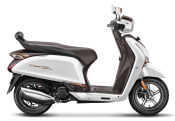
110 cc engine
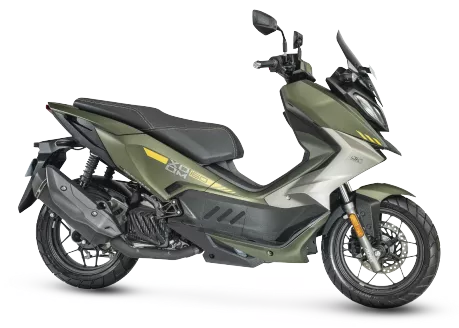
125 cc engine
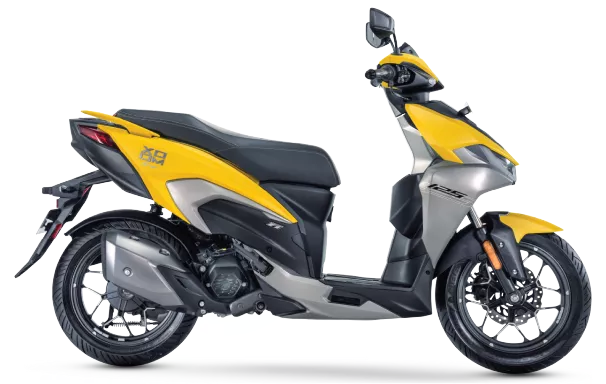
156 cc engine
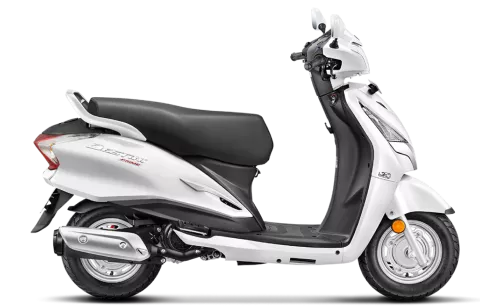
124.6 cc engine
124.6 cc engine
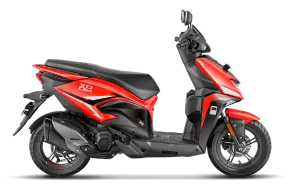
110.9 cc engine
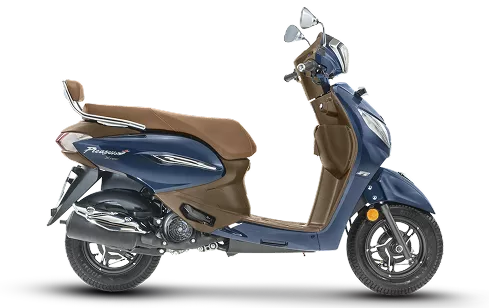
110.9 cc engine
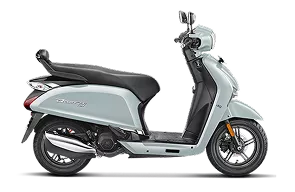
110 cc
Air Cooled, 4 stroke engine
8.7 nm
@5750 RPM
Starting ex-showroom price
Delhi, Delhi
125 cc
Air cooled, 4 stroke, SI engine
10.4 nm
@5500 RPM
Starting ex-showroom price
Delhi, Delhi
156 cc
Liquid cooled, 4 Valve single cylinder SOHC
14 nm
@6250 RPM
Starting ex-showroom price
Delhi, Delhi
124.6 cc
Air Cooled, 4 stroke, SI
10.4 nm
@6000 RPM
Starting ex-showroom price
Delhi, Delhi
124.6 cc
Air Cooled, 4-Stroke, SI Engine
10.36 nm
@5500 RPM
Starting ex-showroom price
Delhi, Delhi
110.9 cc
Air cooled, 4-stroke, SI engine
8.70 nm
@5750 RPM
Starting ex-showroom price
Delhi, Delhi
110.9 cc
Air cooled, 4-stroke Single Cylinder OHC
8.70 nm
@5500 RPM
Starting ex-showroom price
Delhi, Delhi
110 cc engine
125 cc engine
156 cc engine
124.6 cc engine
124.6 cc engine
110.9 cc engine
110.9 cc engine
110 cc
Air Cooled, 4 stroke engine
8.7 nm
@5750 RPM
125 cc
Air cooled, 4 stroke, SI engine
10.4 nm
@5500 RPM
156 cc
Liquid cooled, 4 Valve single cylinder SOHC
14 nm
@6250 RPM
124.6 cc
Air Cooled, 4 stroke, SI
10.4 nm
@6000 RPM
124.6 cc
Air Cooled, 4-Stroke, SI Engine
10.36 nm
@5500 RPM
110.9 cc
Air cooled, 4-stroke, SI engine
8.70 nm
@5750 RPM
110.9 cc
Air cooled, 4-stroke Single Cylinder OHC
8.70 nm
@5500 RPM
When riders talk about affordability, the conversation often starts with the ex-showroom price and ends there. But real affordability reveals itself slowly. It shows up in fuel bills that remain predictable, service visits that do not disrupt routine, and components that age gracefully despite heavy use. Over a five-year horizon, these factors matter far more than initial pricing. We at Hero MotoCorp evaluate long-term ownership through this broader lens, especially for riders who rely on their motorcycles every day.
For anyone looking to choose the best commuter bike in India, the answer lies in how well a bike balances performance and durability. This balance is especially relevant in the best 125cc vs 150cc bike comparison, where the differences in running costs, maintenance, and wear become clearer over time.
Five-year ownership costs are shaped by a few consistent variables. Fuel efficiency plays a role, but it is not the only one. Engine stress, suspension durability, brake wear, and the ability to handle poor road conditions all affect how often a bike needs attention.
In India, where riding conditions range from smooth highways to broken rural stretches, bikes with the best suspension for Indian roads tend to hold up better. Stable chassis setups and well-tuned suspension reduce long-term strain on components. This is why riders in smaller towns and villages often prioritise reliability and ride comfort over outright power, especially when searching for top bikes for rural roads in India.
The 125cc category is often chosen for efficiency-led commuting. These bikes typically deliver lower fuel consumption and simpler maintenance, helping keep costs under control over the years of ownership. On the other hand, 160cc motorcycles offer stronger performance and additional safety features, which may justify slightly higher operating costs for riders who travel longer distances or encounter varied road conditions.
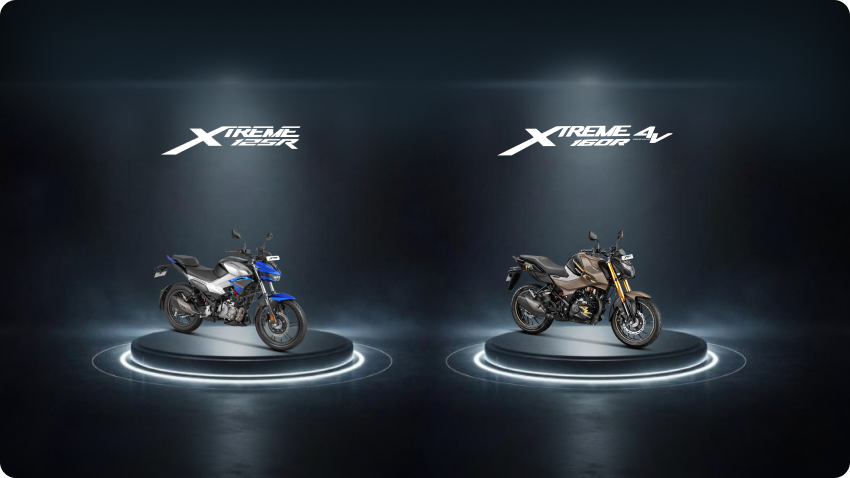
The real question is not which segment is cheaper, but which one aligns better with a rider’s usage pattern. This distinction becomes clearer when comparing two motorcycles designed for different ownership priorities.
The Hero Xtreme 125R challenges the idea that efficiency and performance must exist at opposite ends of the spectrum. It is engineered to deliver quick acceleration while maintaining control and predictability, which directly influences long-term durability.
Powered by a new 125cc SPRINT-EBT engine, the Xtreme 125R focuses on smooth power response and instant torque. This tuning allows the bike to accelerate confidently without aggressive throttle inputs, reducing mechanical stress during daily riding. Its 0 to 60 kmph time of just 5.9 seconds makes it the fastest in the 125cc category, yet the power delivery remains composed.
A major contributor to ownership confidence is its first-in-class single-channel ABS. Consistent and predictable braking reduces uneven brake wear and improves control across changing road conditions. The all-LED setup further lowers maintenance needs by offering longer-lasting lighting components compared to conventional bulbs.
Ride comfort and durability are reinforced by the 7-step adjustable monoshock rear suspension. This allows riders to tune the suspension based on load and road conditions, which is particularly useful for those riding regularly on uneven surfaces. Over five years, this adaptability helps preserve ride quality and reduces suspension-related fatigue.
For riders wondering how to choose the best commuter bike in India, the Xtreme 125R strikes a balance that keeps ownership costs predictable without sacrificing everyday excitement.
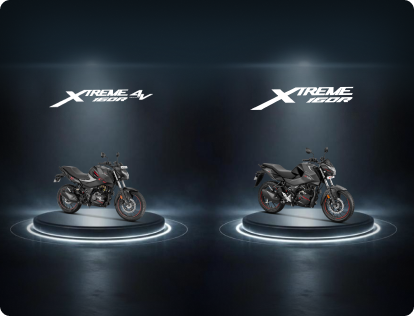
The Hero Xtreme 160R 4V is built for riders who use it beyond routine commuting. Its higher displacement and advanced hardware make it suitable for longer rides, varied terrains and more demanding conditions.
The 163.2cc air-oil-cooled, 4-valve engine produces 16.9 ps at 8500 rpm and 14.6 Nm of torque at 6500 rpm. This output allows the bike to operate comfortably at higher speeds without strain, which can benefit riders who frequently travel on highways or rougher rural roads.
Dual-channel ABS, paired with a 276 mm front disc and a 220 mm rear disc, ensures balanced braking performance. This setup distributes braking forces more evenly, which helps reduce component wear over time. The inclusion of Panic Brake Alert, a first-in-segment safety feature, further supports controlled braking in emergency situations.
Suspension and chassis tuning play a key role in long-term comfort. The Xtreme 160R 4V is well-suited for riders evaluating bikes with best suspension for Indian roads, as its setup maintains stability across broken patches and uneven surfaces. For riders in semi-urban and rural areas, this stability directly impacts maintenance frequency and overall ownership satisfaction.
While fuel consumption and service costs may be higher than those of 125cc bikes, the Xtreme 160R 4V compensates by offering durability, safety, and comfort that suit more demanding usage patterns.
Low cost of ownership is not about choosing the smallest engine or the lowest price tag. It is about aligning a motorcycle’s strengths with how it will actually be used. Riders focused on city commuting and efficiency may find long-term value in a refined 125cc motorcycle. Those facing longer distances, mixed terrain or frequent highway usage may benefit more from a robust 160cc platform.
Both approaches can deliver strong five-year value when the motorcycle’s design matches the rider’s daily reality.
The Xtreme 125R and Xtreme 160R 4V represent two distinct paths to sustainable ownership while doing best 125cc bikes comparison india. One prioritises efficiency, agility and controlled performance, while the other focuses on strength, safety and adaptability across tougher conditions. Each is designed to age well, keeping maintenance predictable and performance reliable over years of use.
As Indian roads continue to challenge both riders and machines, motorcycles built for long-term durability will remain the most economical choice over the long term.
1. Which bike is more economical over five years, the Xtreme 125R or Xtreme 160R 4V?


The Xtreme 125R generally offers lower fuel and maintenance costs due to its smaller engine, while the Xtreme 160R 4V suits riders with heavier usage who value durability and performance.
2. How does acceleration impact long-term ownership costs?
The Xtreme 125R’s 0 to 60 kmph time of 5.7 seconds is achieved through smooth power delivery, reducing engine stress during daily riding.
3. What braking systems support consistent ownership costs?
The Xtreme 125R features single-channel ABS, while the Xtreme 160R 4V offers dual-channel ABS with larger disc brakes, both designed for controlled braking and reduced wear.
4. Which bike is better suited for rural roads?
The Xtreme 160R 4V’s stronger chassis, dual-channel ABS and stable suspension make it more suitable for rural and mixed road conditions.
5. How does suspension design affect long-term maintenance?
The Xtreme 125R’s 7-step adjustable monoshock allows tuning for load and road conditions, helping maintain ride quality over time.
1. Which bike is more economical over five years, the Xtreme 125R or Xtreme 160R 4V?
The Xtreme 125R generally offers lower fuel and maintenance costs due to its smaller engine, while the Xtreme 160R 4V suits riders with heavier usage who value durability and performance.
2. How does acceleration impact long-term ownership costs?
The Xtreme 125R’s 0 to 60 kmph time of 5.7 seconds is achieved through smooth power delivery, reducing engine stress during daily riding.
3. What braking systems support consistent ownership costs?
The Xtreme 125R features single-channel ABS, while the Xtreme 160R 4V offers dual-channel ABS with larger disc brakes, both designed for controlled braking and reduced wear.
4. Which bike is better suited for rural roads?
The Xtreme 160R 4V’s stronger chassis, dual-channel ABS and stable suspension make it more suitable for rural and mixed road conditions.
5. How does suspension design affect long-term maintenance?
The Xtreme 125R’s 7-step adjustable monoshock allows tuning for load and road conditions, helping maintain ride quality over time.


 Angola
 Argentina
 Bangladesh
 Bolivia
 Colombia
 Costa Rica
 Dominican Republic
 DRC
DRC
 Ecuador
 El Salvador
 Ethiopia
 France
 GCC
GCC
 Germany
 Great Britain
 Guatemala
 Guinea
 Guyana
 Haiti
Haiti
 Honduras
 Italy
Italy
 Kenya
Kenya
 Madagascar
 Mexico
 Myanmar
 Nepal
Nepal
 Nicaragua
 Nigeria
 Panama
 Peru
Peru
 Philippines
 South Africa
 Spain
Spain
 Sri Lanka
 Tanzania
 Trinidad
 Turkey
 Uganda
 Zambia