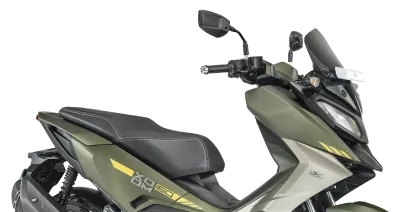
XTREME 250R
250 cc engine
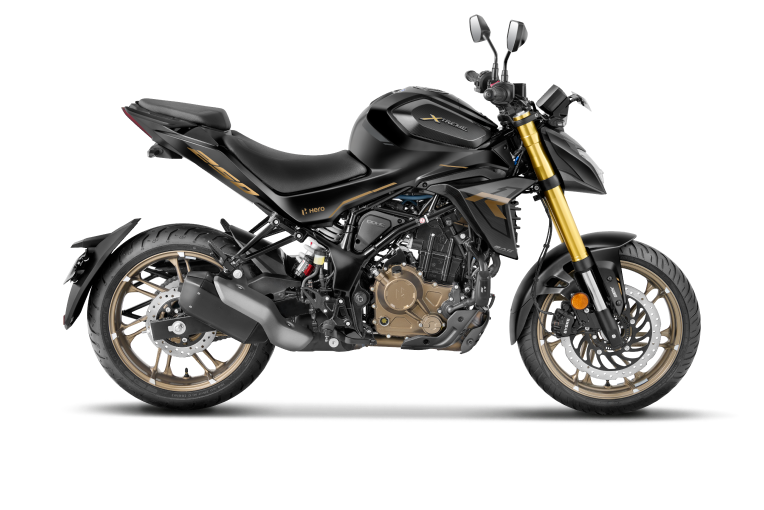
250 cc engine
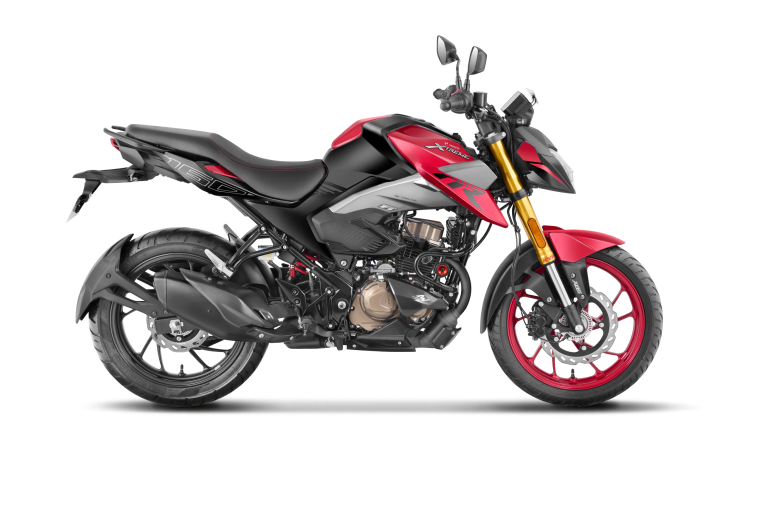
163.2 cc engine
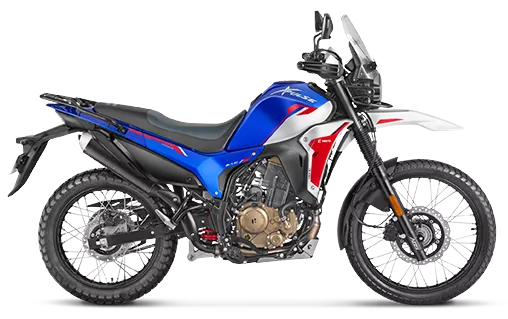
210 cc engine
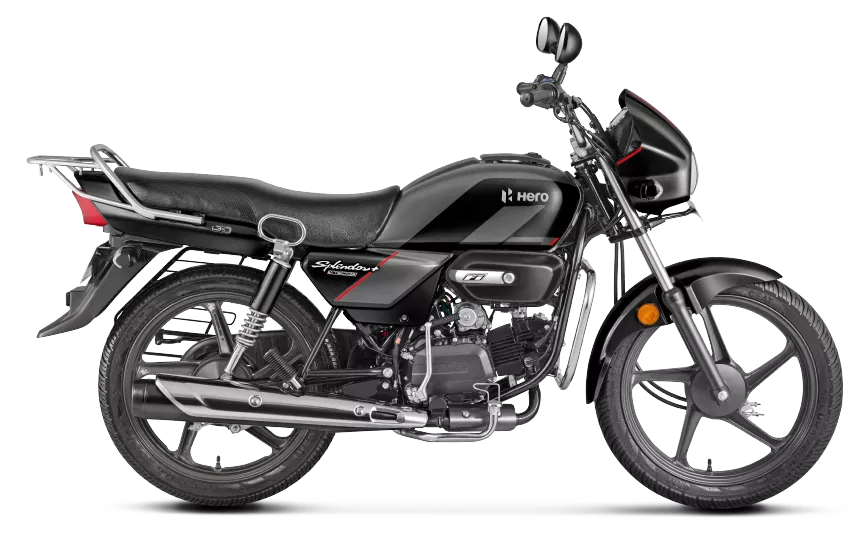
97.2 cc engine
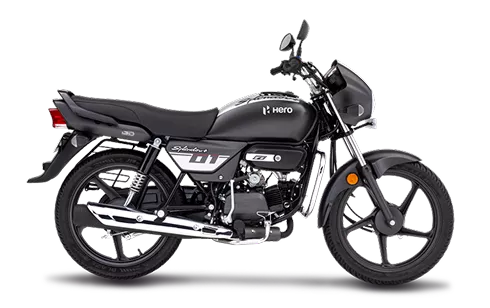
97.2 cc engine
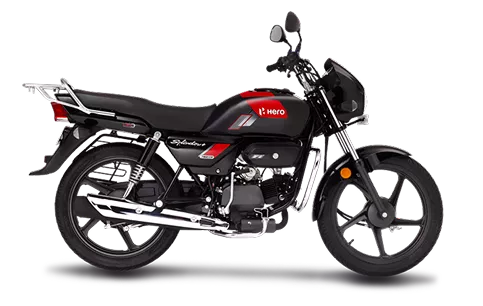
97.2 cc engine
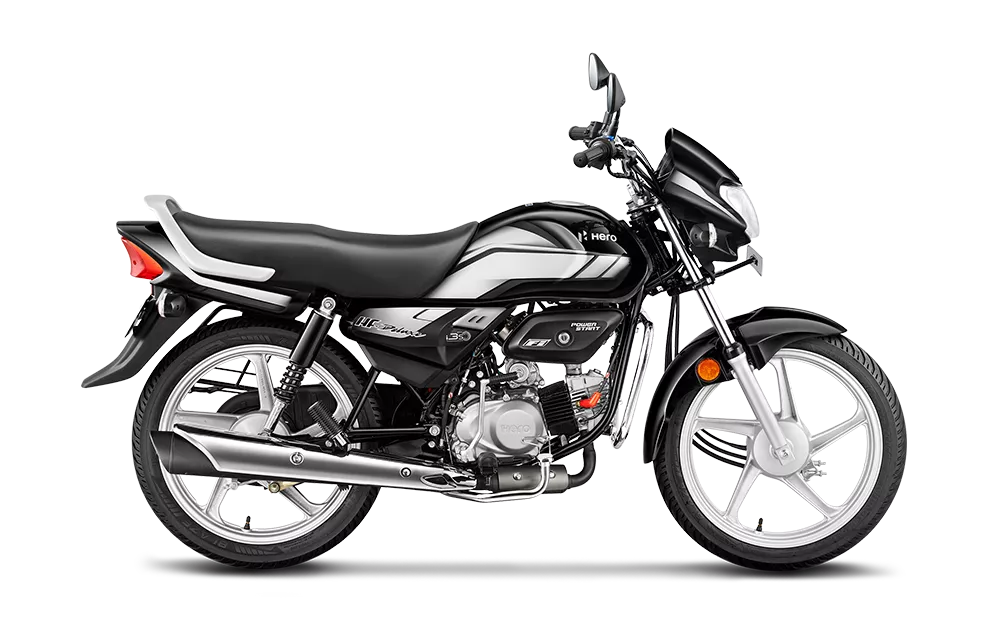
97.2 cc engine
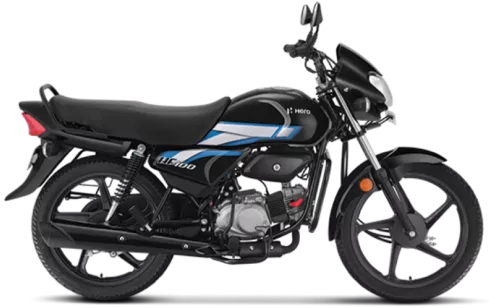
97.2 cc engine
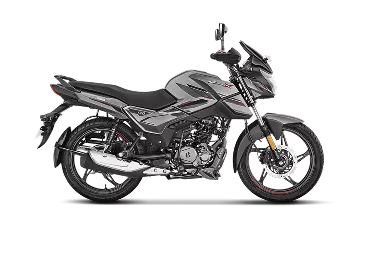
125 cc engine
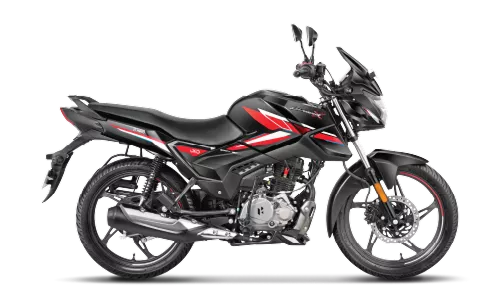
125 cc engine
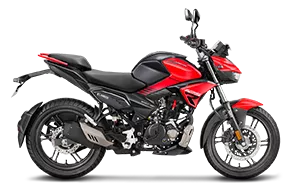
125 cc engine
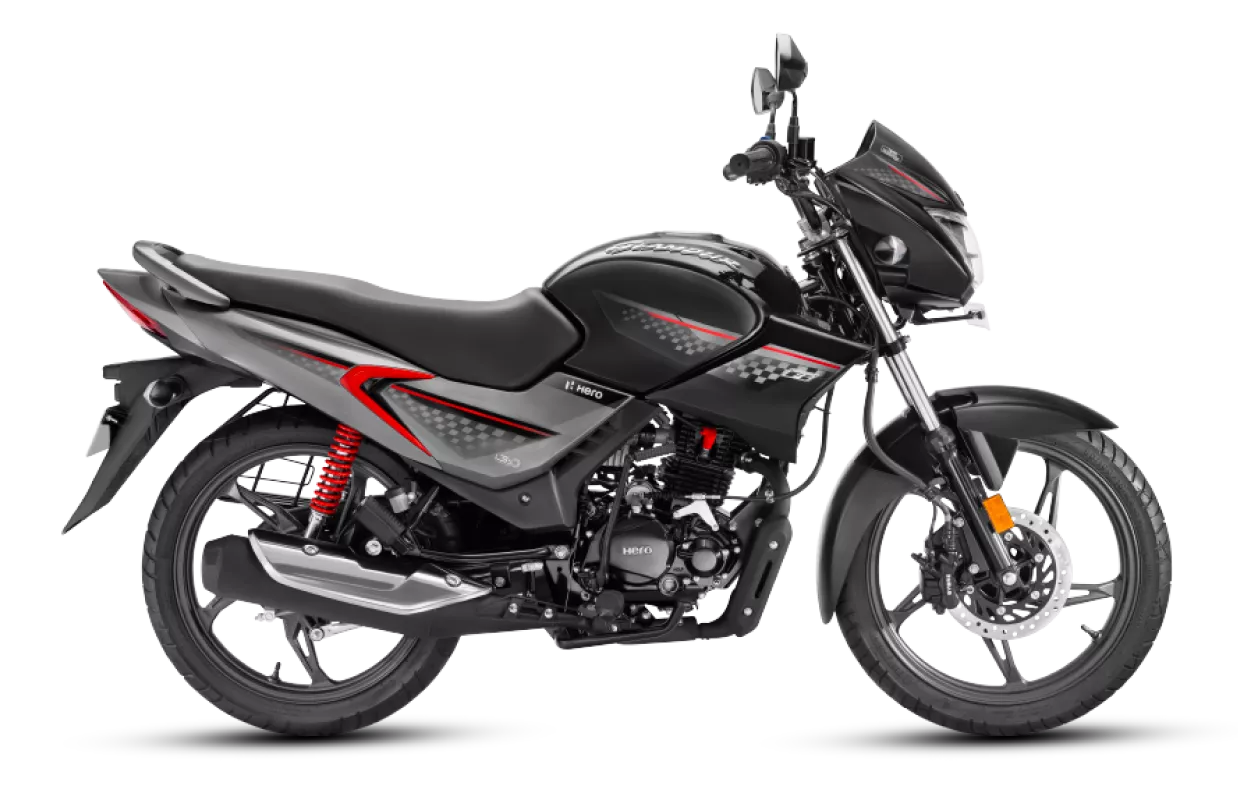
125 cc engine
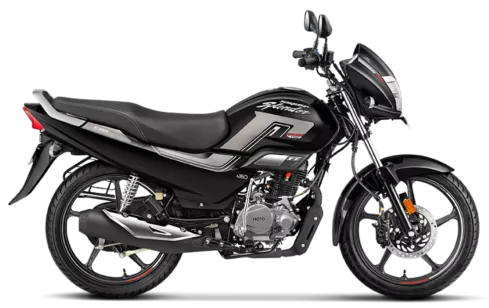
124.7 cc engine
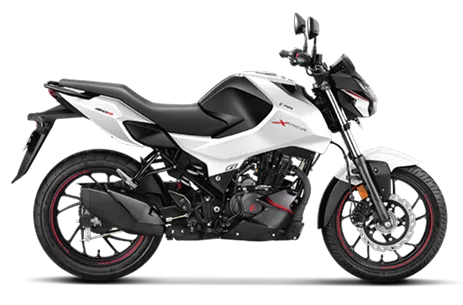
163.2 cc engine
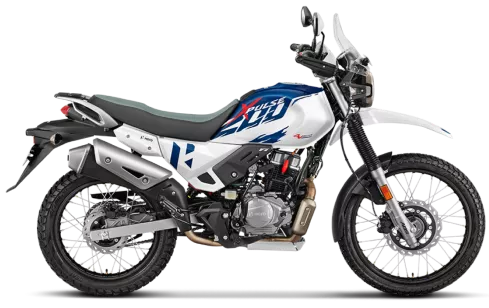
199.6 cc engine
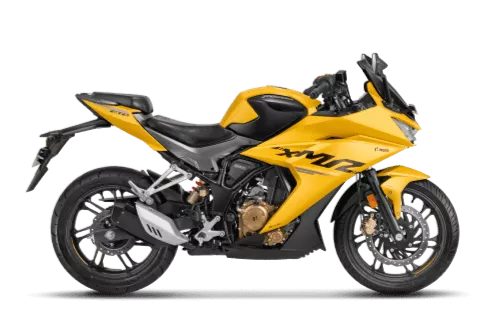
210 cc engine
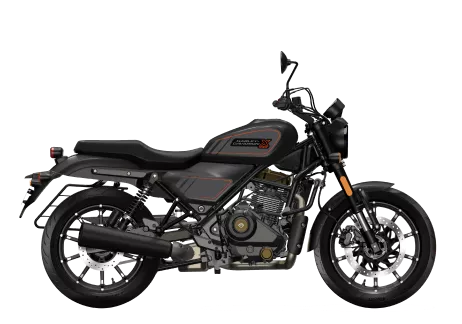
440 cc engine
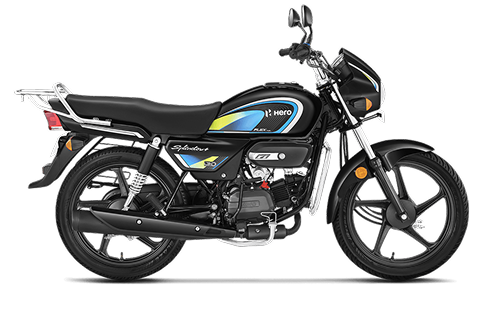
97.2 cc engine
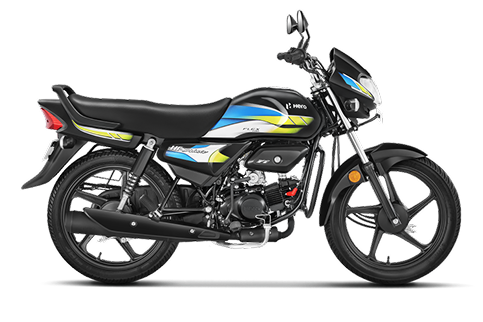
97.2 cc engine
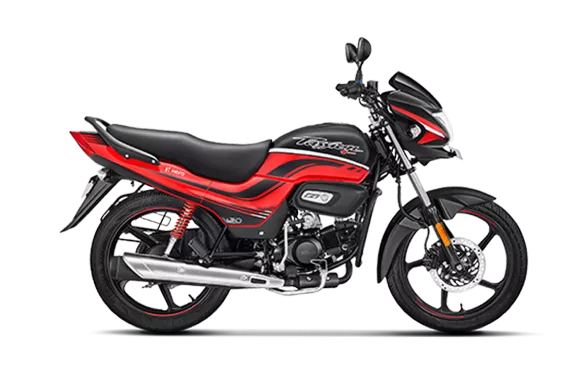
97.2 cc engine
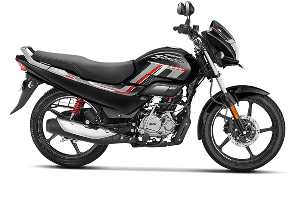
124.7 cc engine
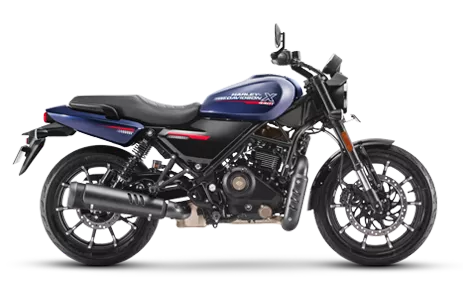
440 cc engine

250 cc
4 Stroke, 4 Valve, Single Cylinder Liquid Cooled, DOHC
25 nm
@7250 RPM
Starting ex-showroom price
Delhi, Delhi
163.2 cc
Air oil cooled, 4-stroke, Single cylinder, OHC
14.6 nm
@6500 RPM
Starting ex-showroom price
Delhi, Delhi
210 cc
4 Stroke 4 Valve Single Cylinder Liquid Cooled DOHC
20.7 nm
@7250 RPM
Starting ex-showroom price
Delhi, Delhi
97.2 cc
Air cooled, 4-stroke, Single cylinder, OHC
8.05 nm
@6000 RPM
Starting ex-showroom price
Delhi, Delhi
97.2 cc
Air cooled, 4-stroke, Single cylinder, OHC
8.05 nm
@6000 RPM
Starting ex-showroom price
Delhi, Delhi
97.2 cc
Air cooled, 4-stroke, Single cylinder, OHC
8.05 nm
@6000 RPM
Starting ex-showroom price
Delhi, Delhi
97.2 cc
Air cooled, 4-stroke, Single cylinder, OHC
8.05 nm
@6000 RPM
Starting ex-showroom price
Delhi, Delhi
97.2 cc
Air cooled, 4-stroke, Single cylinder, OHC
8.05 nm
@6000 RPM
Starting ex-showroom price
Delhi, Delhi
125 cc
Air cooled, 4-Stroke
8.5 kW
@8250 RPM
Starting ex-showroom price
Delhi, Delhi
125 cc
Air cooled, 4-Stroke
10.5 nm
@6500 RPM
Starting ex-showroom price
Delhi, Delhi
125 cc
5.7 sec, Acceleartion 0-60kmph
10.5 nm
@6500 RPM
Starting ex-showroom price
Delhi, Delhi
125 cc
Air cooled, 4-stroke, Single cylinder, OHC
10.6 nm
@6000 RPM
Starting ex-showroom price
Delhi, Delhi
124.7 cc
Air Cooled, 4-Stroke, OHC, Single Cylinder
10.6 nm
@6000 RPM
Starting ex-showroom price
Delhi, Delhi
163.2 cc
Air Cooled 4 stroke
14 nm
@6500 RPM
Starting ex-showroom price
Delhi, Delhi
199.6 cc
Oil Cooled, 4 stroke 4 Valve single cylinder OHC
17.35 nm
@6500 RPM
Starting ex-showroom price
Delhi, Delhi
210 cc
Liquid cooled, 4-stroke, Single cylinder, OHC
20.4 nm
@4000 RPM
Starting ex-showroom price
Delhi, Delhi
440 cc
Air cooled, 4-stroke, Single cylinder, OHC
38 nm
@4000 RPM
Starting ex-showroom price
Delhi, Delhi
97.2 cc
Air cooled, 4-stroke, Single cylinder, OHC
8.3 nm(with E85)
@ 6000 RPM
Starting ex-showroom price
Delhi, Delhi
97.2 cc
Air cooled, 4-stroke, Single cylinder, OHC
8.3 nm(with E85)
@ 6000 RPM
Starting ex-showroom price
Delhi, Delhi
97.2 cc
Air cooled, 4 stroke
8.05 nm
@6000 RPM
Starting ex-showroom price
Delhi, Delhi
124.7 cc
2V,Air cooled, 4 stroke single cylinder
10.6 nm
@ 6000 RPM
Starting ex-showroom price
Delhi, Delhi
440 cc
Air cooled, 4-stroke, Single cylinder, OHC
38 nm
@4000 RPM
Starting ex-showroom price
Delhi, Delhi
Starting ex-showroom price
Delhi, Delhi

250 cc engine
163.2 cc engine
210 cc engine
97.2 cc engine
97.2 cc engine
97.2 cc engine
97.2 cc engine
97.2 cc engine
125 cc engine
125 cc engine
125 cc engine
125 cc engine
124.7 cc engine
163.2 cc engine
199.6 cc engine
210 cc engine
440 cc engine
97.2 cc engine
97.2 cc engine
97.2 cc engine
124.7 cc engine
440 cc engine
250 cc
4 Stroke, 4 Valve, Single Cylinder Liquid Cooled, DOHC
25 nm
@7250 RPM
163.2 cc
Air oil cooled, 4-stroke, Single cylinder, OHC
14.6 nm
@6500 RPM
210 cc
4 Stroke 4 Valve Single Cylinder Liquid Cooled DOHC
20.7 nm
@7250 RPM
97.2 cc
Air cooled, 4-stroke, Single cylinder, OHC
8.05 nm
@6000 RPM
97.2 cc
Air cooled, 4-stroke, Single cylinder, OHC
8.05 nm
@6000 RPM
97.2 cc
Air cooled, 4-stroke, Single cylinder, OHC
8.05 nm
@6000 RPM
97.2 cc
Air cooled, 4-stroke, Single cylinder, OHC
8.05 nm
@6000 RPM
97.2 cc
Air cooled, 4-stroke, Single cylinder, OHC
8.05 nm
@6000 RPM
125 cc
Air cooled, 4-Stroke
8.5 kW
@8250 RPM
125 cc
Air cooled, 4-Stroke
10.5 nm
@6500 RPM
125 cc
5.7 sec, Acceleartion 0-60kmph
10.5 nm
@6500 RPM
125 cc
Air cooled, 4-stroke, Single cylinder, OHC
10.6 nm
@6000 RPM
124.7 cc
Air Cooled, 4-Stroke, OHC, Single Cylinder
10.6 nm
@6000 RPM
163.2 cc
Air Cooled 4 stroke
14 nm
@6500 RPM
199.6 cc
Oil Cooled, 4 stroke 4 Valve single cylinder OHC
17.35 nm
@6500 RPM
210 cc
Liquid cooled, 4-stroke, Single cylinder, OHC
20.4 nm
@4000 RPM
440 cc
Air cooled, 4-stroke, Single cylinder, OHC
38 nm
@4000 RPM
97.2 cc
Air cooled, 4-stroke, Single cylinder, OHC
8.3 nm(with E85)
@ 6000 RPM
97.2 cc
Air cooled, 4-stroke, Single cylinder, OHC
8.3 nm(with E85)
@ 6000 RPM
97.2 cc
Air cooled, 4 stroke
8.05 nm
@6000 RPM
124.7 cc
2V,Air cooled, 4 stroke single cylinder
10.6 nm
@ 6000 RPM
440 cc
Air cooled, 4-stroke, Single cylinder, OHC
38 nm
@4000 RPM
110 cc engine
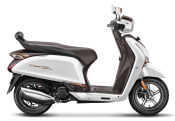
125 cc engine
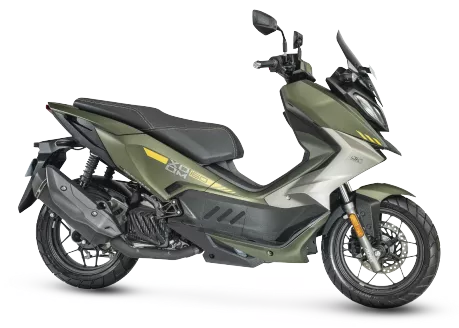
156 cc engine
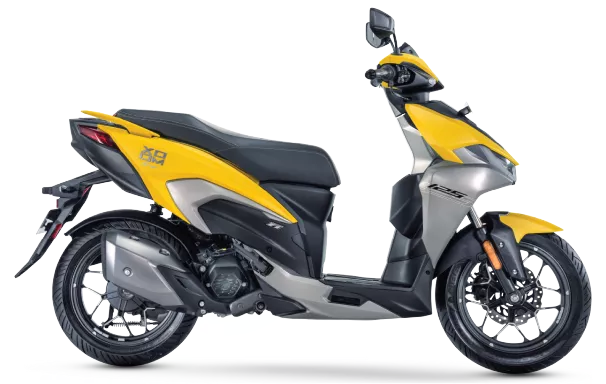
124.6 cc engine
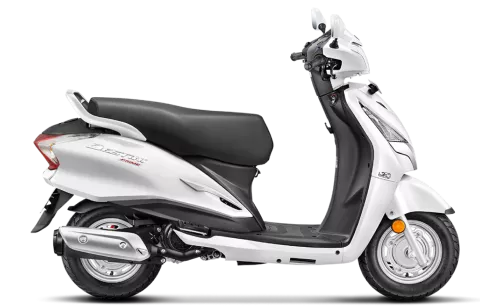
124.6 cc engine
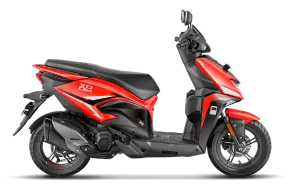
110.9 cc engine
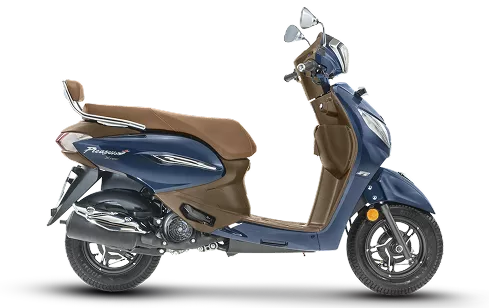
110.9 cc engine
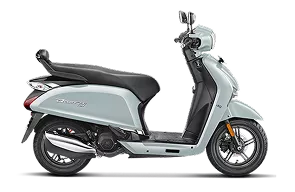
110 cc
Air Cooled, 4 stroke engine
8.7 nm
@5750 RPM
Starting ex-showroom price
Delhi, Delhi
125 cc
Air cooled, 4 stroke, SI engine
10.4 nm
@5500 RPM
Starting ex-showroom price
Delhi, Delhi
156 cc
Liquid cooled, 4 Valve single cylinder SOHC
14 nm
@6250 RPM
Starting ex-showroom price
Delhi, Delhi
124.6 cc
Air Cooled, 4 stroke, SI
10.4 nm
@6000 RPM
Starting ex-showroom price
Delhi, Delhi
124.6 cc
Air Cooled, 4-Stroke, SI Engine
10.36 nm
@5500 RPM
Starting ex-showroom price
Delhi, Delhi
110.9 cc
Air cooled, 4-stroke, SI engine
8.70 nm
@5750 RPM
Starting ex-showroom price
Delhi, Delhi
110.9 cc
Air cooled, 4-stroke Single Cylinder OHC
8.70 nm
@5500 RPM
Starting ex-showroom price
Delhi, Delhi
110 cc engine
125 cc engine
156 cc engine
124.6 cc engine
124.6 cc engine
110.9 cc engine
110.9 cc engine
110 cc
Air Cooled, 4 stroke engine
8.7 nm
@5750 RPM
125 cc
Air cooled, 4 stroke, SI engine
10.4 nm
@5500 RPM
156 cc
Liquid cooled, 4 Valve single cylinder SOHC
14 nm
@6250 RPM
124.6 cc
Air Cooled, 4 stroke, SI
10.4 nm
@6000 RPM
124.6 cc
Air Cooled, 4-Stroke, SI Engine
10.36 nm
@5500 RPM
110.9 cc
Air cooled, 4-stroke, SI engine
8.70 nm
@5750 RPM
110.9 cc
Air cooled, 4-stroke Single Cylinder OHC
8.70 nm
@5500 RPM


At Hero MotoCorp Ltd. (HMCL), we hold a profound belief that the pursuit of our long-term business and sustainability objectives is fundamentally interwoven with the strength, resilience, and ethical responsibility.
The Sustainable Partner Development Program (SPDP) stands as our most comprehensive initiative, purposefully designed to drive a profound transformation across our entire value chain. The core objective of the SPDP is to cultivate and evolve this value chain into a truly collaborative, high-performing ecosystem.
This ecosystem, built upon a foundation of Environmental, Social, and Governance (ESG) excellence is not merely an aspiration but a mandate for every partner.

#
*
1: Supplier Screening and Assessment
Suppliers are evaluated on a weighted scoring system across four critical pillars:
Sustainability aspects covered under the supplier screening and assessment checklist.
2: Supplier Risk Assessment
The company categorizes suppliers based on their risk profile, business criticality, and ESG performance, and conducts regular risk assessments to identify potential environmental, social, governance, and business continuity risks.
Country-specific Risks
Political and economic instability
Regulatory norms
Sector-specific Risks
Industry specific regulations
Competition intensity
Technological change
Environmental risks
Commodity-specific Risks
Supply and demand dynamics
Storage and transportation risks
Quality risks
Price volatility
3: Conflict Minerals Policy and Due Diligence
We are committed to responsible sourcing and have a strict conflict minerals policy in place to avoid sourcing or purchasing parts or components from conflict-affected and high-risk areas. To ensure compliance with our policy, we require all Tier-1 suppliers to provide undertakings that they will track and avoid conflict minerals throughout the supply chain, in accordance with the Conflict Minerals Reporting Template(CMRT) developed by the Responsible Business Alliance(RBA). This tool enables us to accurately identify and disclose the origin of conflict minerals in our products and ensures compliance with regulations such as the U.S. Dodd-Frank Act.
We have also implemented the International Material Database System (IMDS) as a screening tool to verify the origin of all parts and components.
We aim to streamline supply chain due diligence and bolster supplier engagement to better identify mineral-related risks. Consequently, we are creating a comprehensive strategy featuring monitoring and mitigation to manage these risks effectively.
In FY26, none of our products contained minerals from conflict-affected and high-risk areas. Should we discover a supplier has sourced minerals from a conflict-affected region, we are committed to seeking alternative, non-conflict-affected, or low-risk sources for those minerals.
| Percentage of Total Revenue | FY 2021 (Apr’20 - Mar’21) | FY 2022 (Apr’21 - Mar’22) | FY 2023 (Apr’22 - Mar’23) | FY 2024 (Apr’23 - Mar’24) | FY 2025 (Apr’24 - Mar’25) | FY 2026 (Apr’25 - Mar’26) |
|---|---|---|---|---|---|---|
| Products containing minerals from conflict-affected and high-risk areas | 0 | 0 | 0 | 0 | 0 | 0 |
| Products containing minerals from conflict-affected and high-risk areas coming from suppliers that have been verified conflict-free | 0 | 0 | 0 | 0 | 0 | 0 |
4: Supplier Assessment and Development
HMCL monitors 130 ESG parameters based on SEBI's BRSR requirements. Significant partners are expected to contribute to the following organizational milestones.
4.1: Supplier Assessment and Verification: Our robust framework encompasses a multi-tiered approach, leveraging both remote and on-site methodologies to ensure comprehensive coverage and accuracy.
4.2: Capacity Building and Improvement: The program drives continuous improvement to build long-term ESG capacity within our supplier network.
5: On-Site Audit & Safety Framework
Existing suppliers undergo regular third-party audits to ensure ongoing compliance.
The Safety Audit Cycle
Fire Safety
● Valid fire No Objection Certificate (NOC)
● Emergency plans, evacuation plans, and mock drills
● Proper storage of hazardous or explosive substances
● Regular maintenance of fire equipment
● Adequate fire protection systems including fire hydrants, fire detection, fire suppression and fire extinguishing appliances
Occupational Health and Safety
● Health and safety policy
● Adequate first-aid setup
● HIRA Implementation
● Robust mechanism for Incident reporting, Investigation, and Analysis
● Third-party safety inspections
● Proper usage of PPEs
● Machine safety
● Adequate machine/ equipment guarding
● Control of fall, trip/ slip, and other hazards
● Control of physical and chemical work environment
● Effective ventilation and lighting systems
● Safety training and raising awareness
Electrical Safety
● Electrical panel maintenance
● Safe electrical terminations
● Overload and overcurrent in electrical switchgears
● Double body earthing for all equipment, machines and structures, and lightning protection system
● Periodic inspection of air-insulated substations and gas-insulated substations
SustainChain 2025
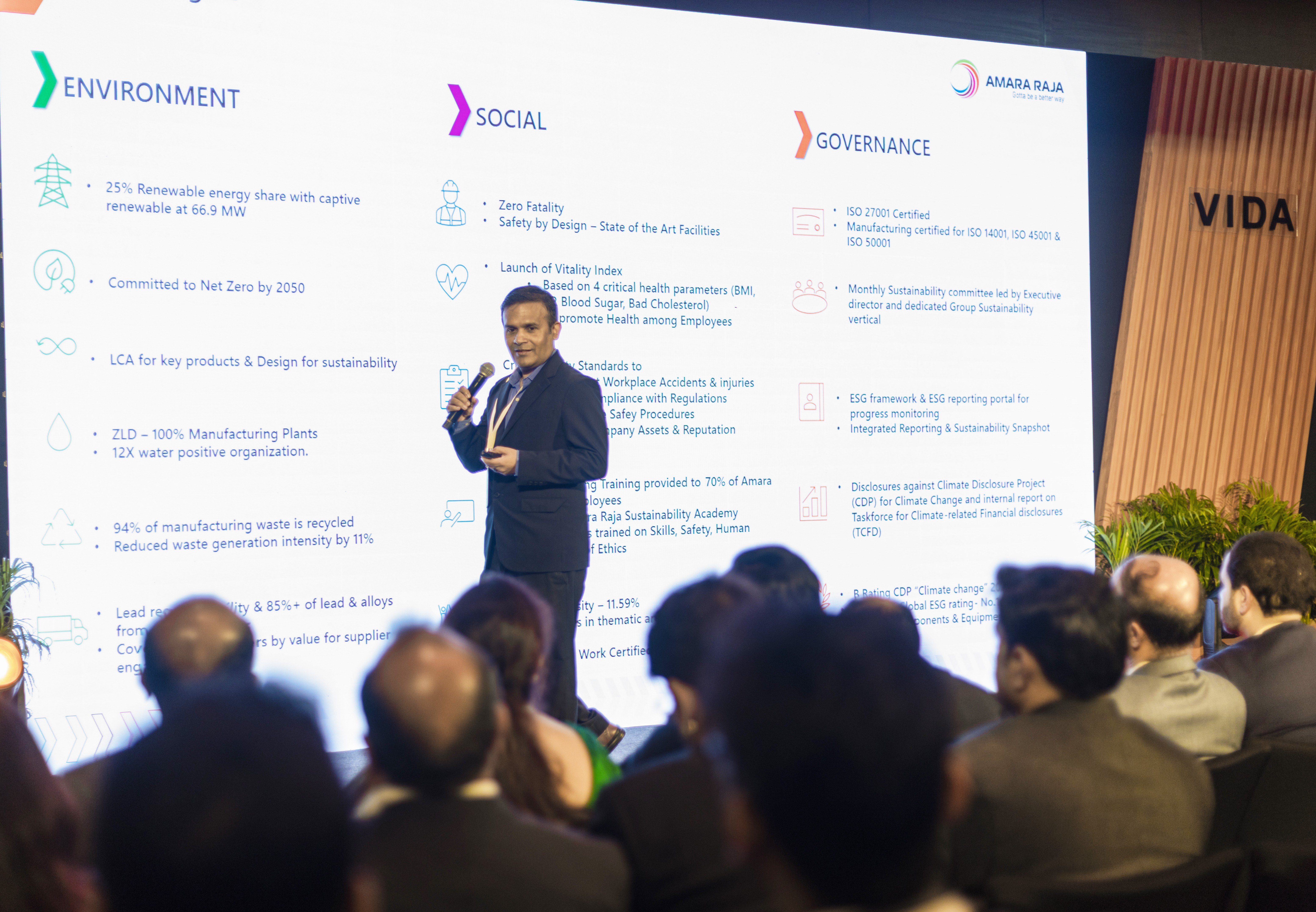
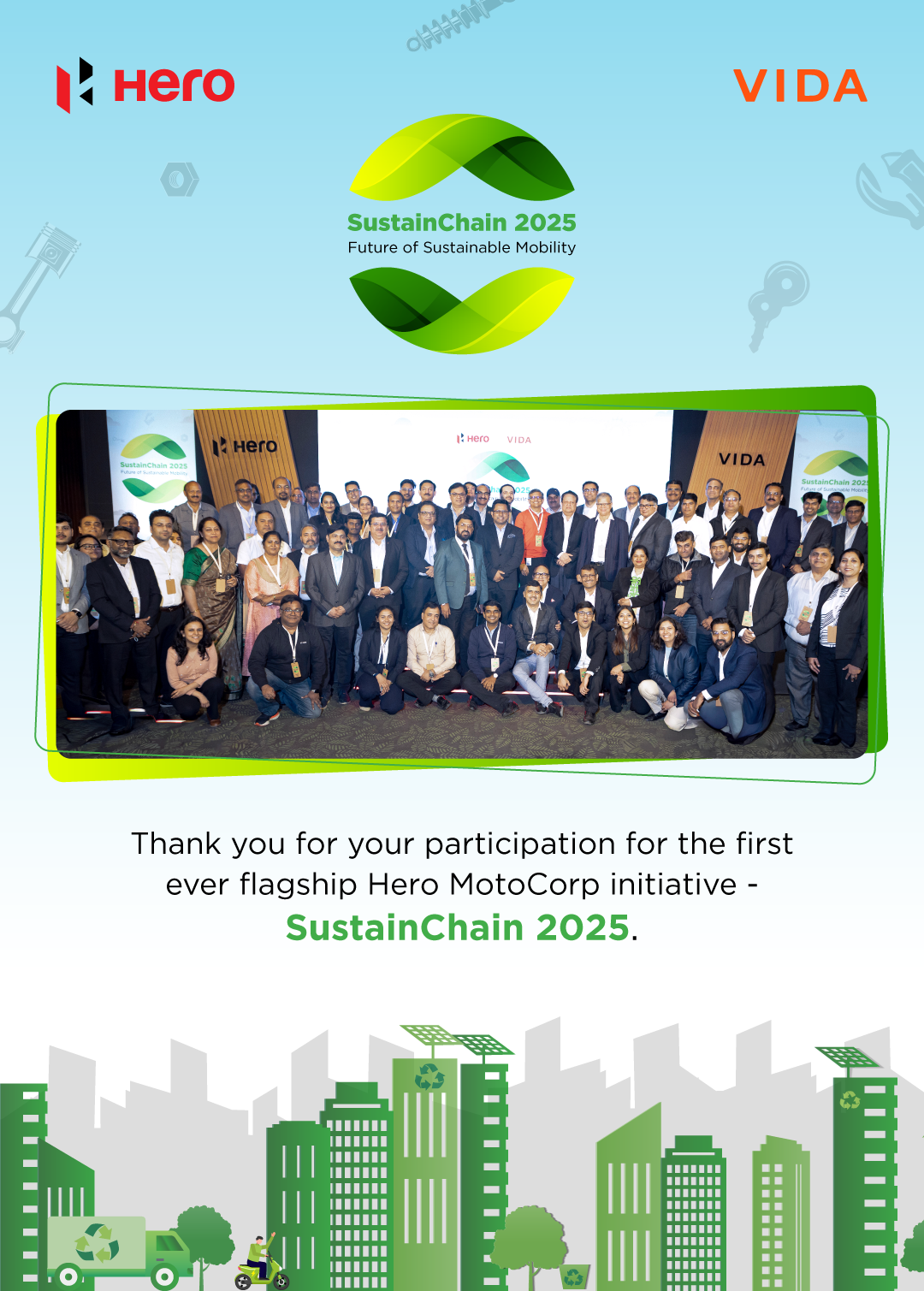
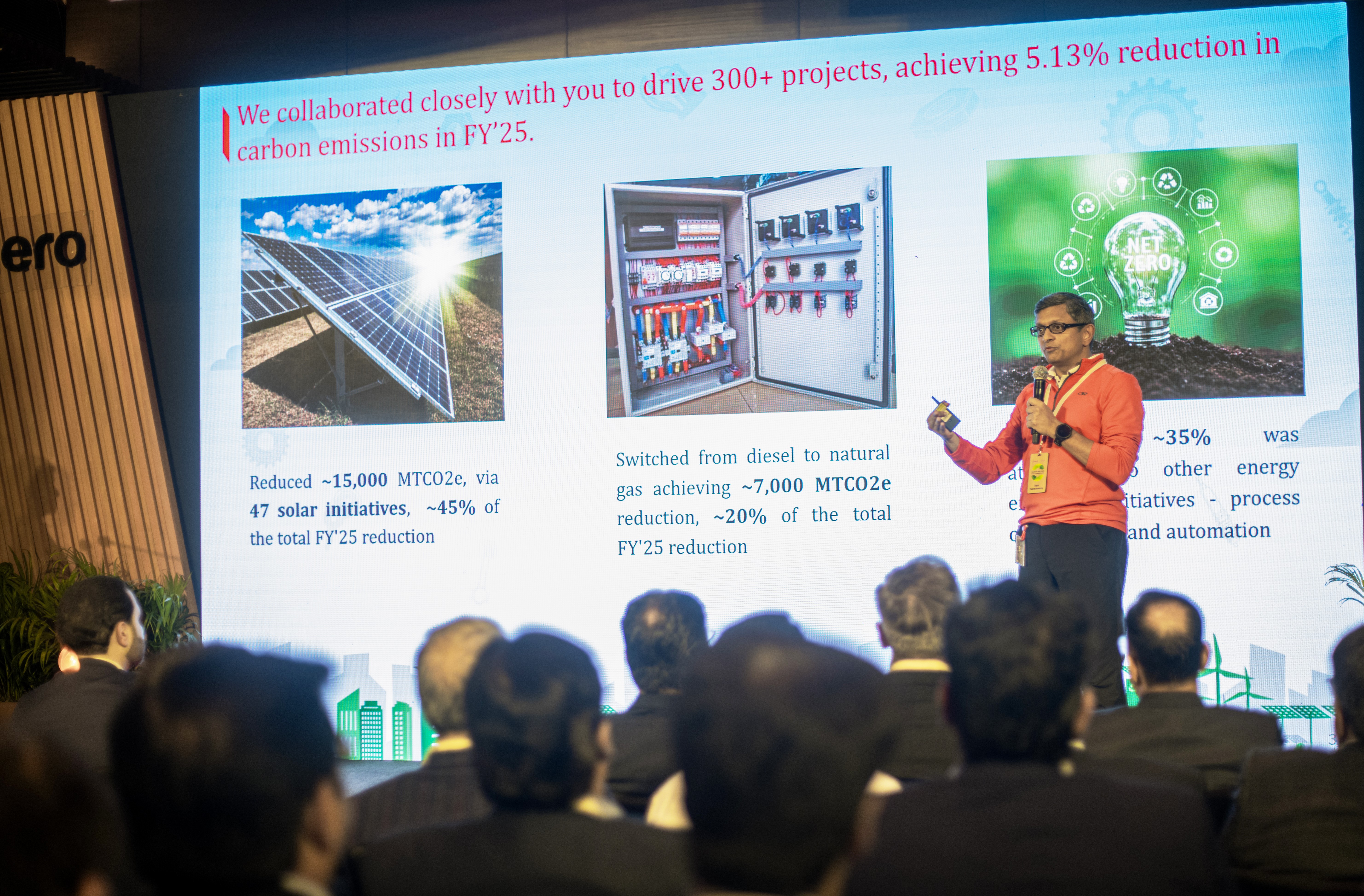
Our inaugural supplier conclave, SustainChain 2025, convened 25 key partners to focus exclusively on supply chain sustainability - specifically reducing emissions and achieving water positivity. The event featuredexclusive leadership dialogues aimed at accelerating our collective environmental goals.
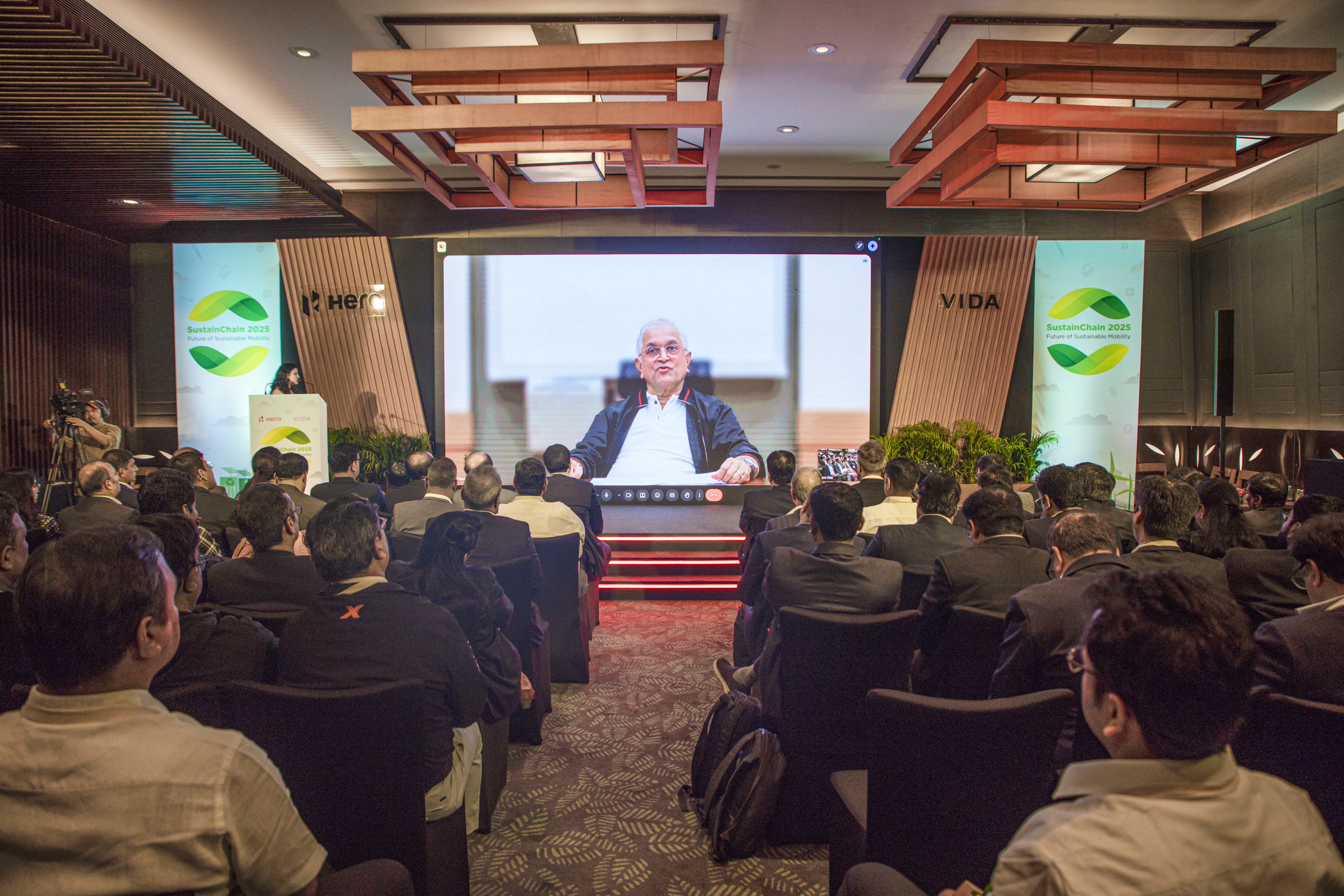
Keynote addess- Mr. Vikram Kasbekar-ED & CTO Heromotocorp
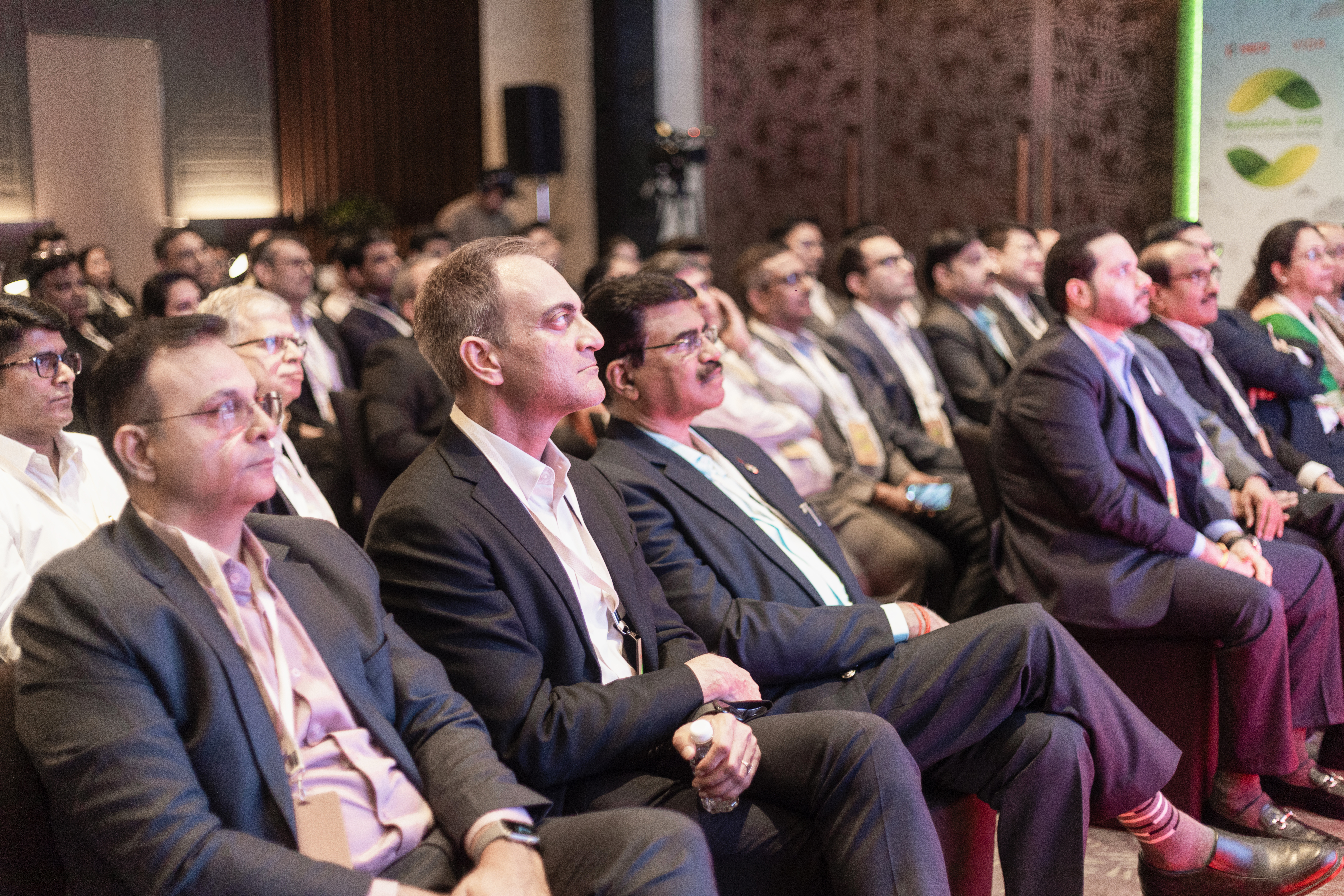
CXO_s of our supply chain partners
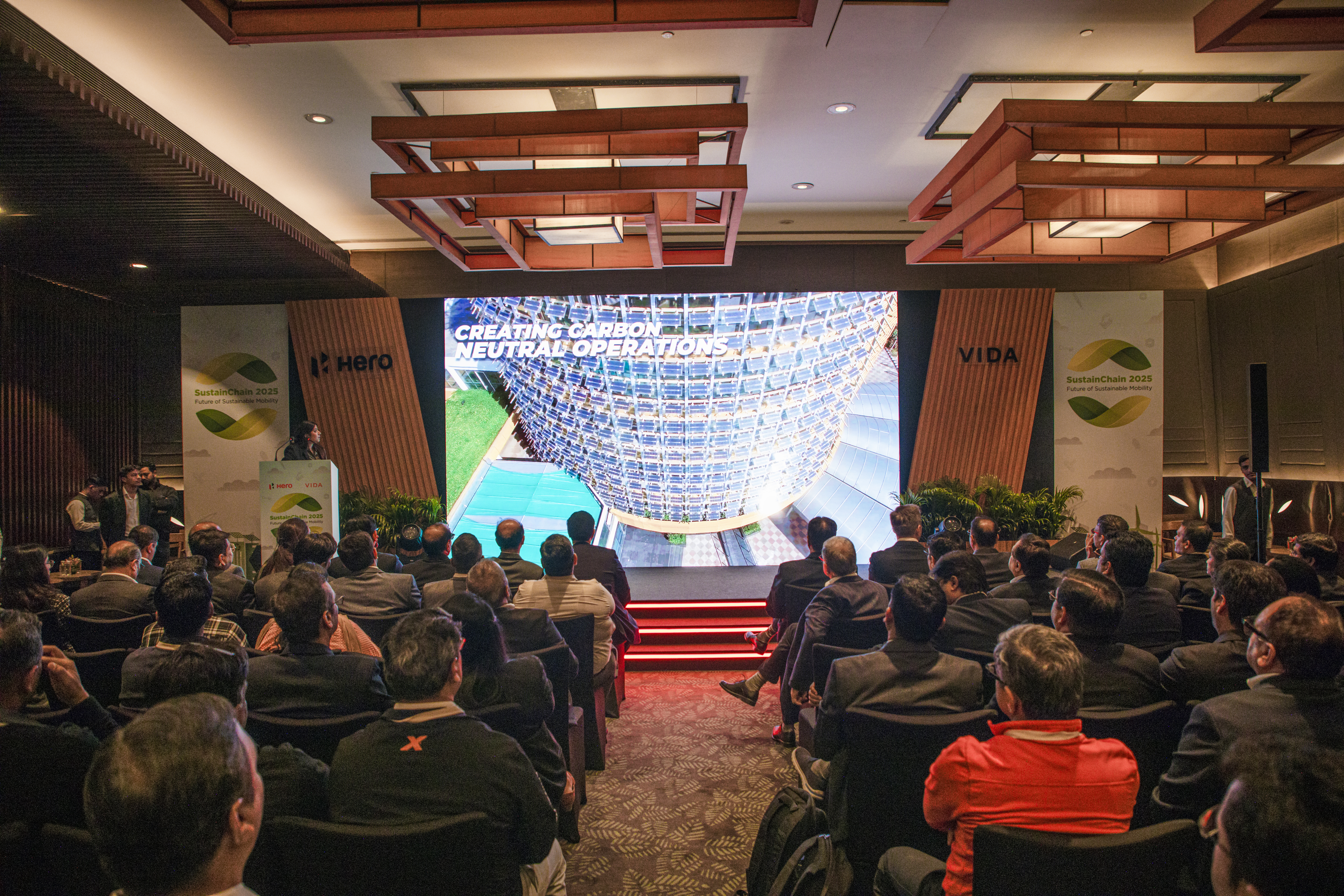
Introduction
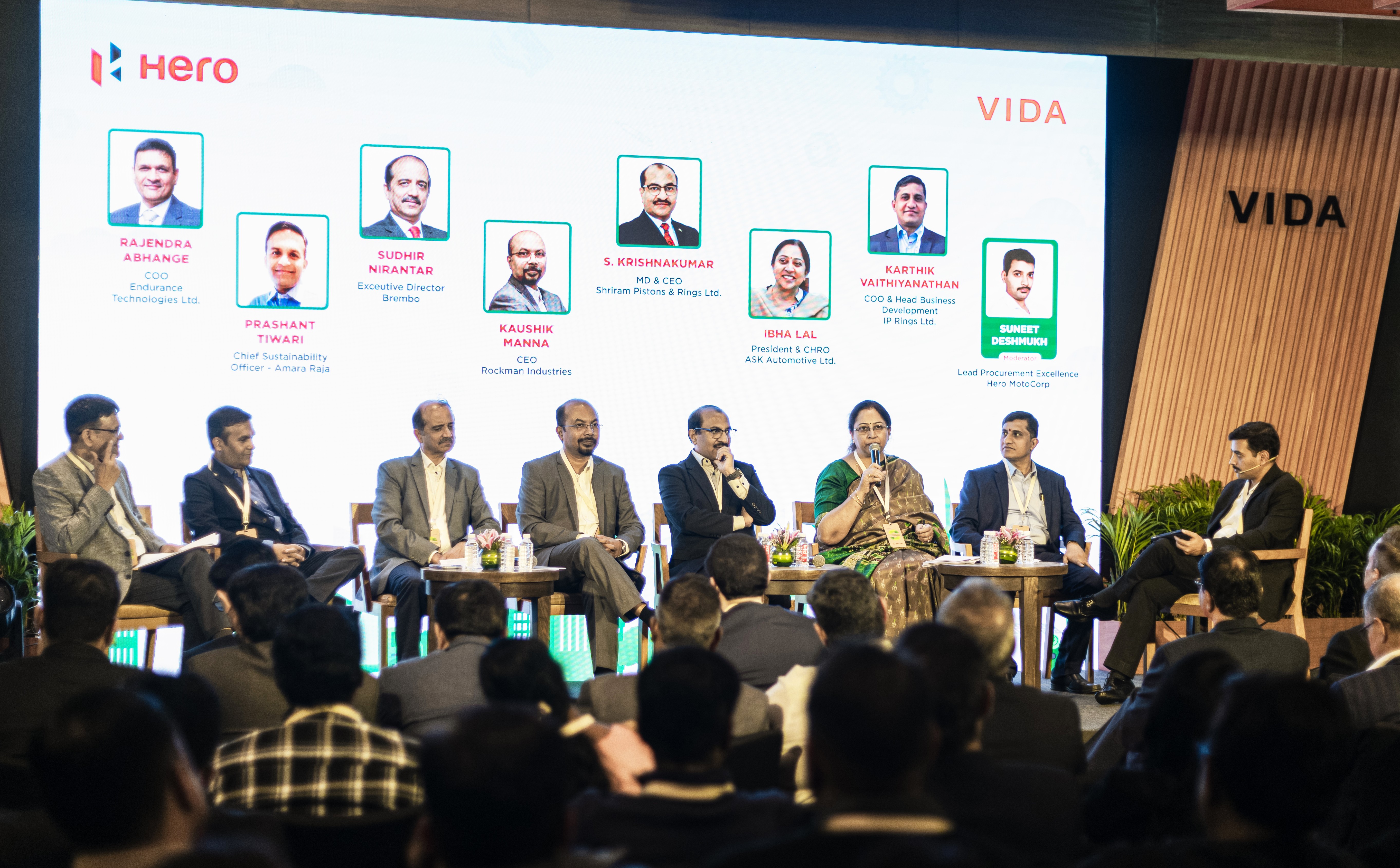
The panel discussion was led Mr. S. Krishnakumar (Shriram Pistons & Rings Ltd), Mr V.Karthik (IP Rings), Kaushik Manna (Rockman Industries Ltd), Ms Ibha Lal(Ask Automotive Ltd), Mr. Rajendra Abhange(Endurance), Mr. Prashant Tiwari(Amara Raja Mobility), Mr. Roop Kumar(AG Industries) and Mr. Sudhir Nirantar(Brembo) from the partner ecosystem.
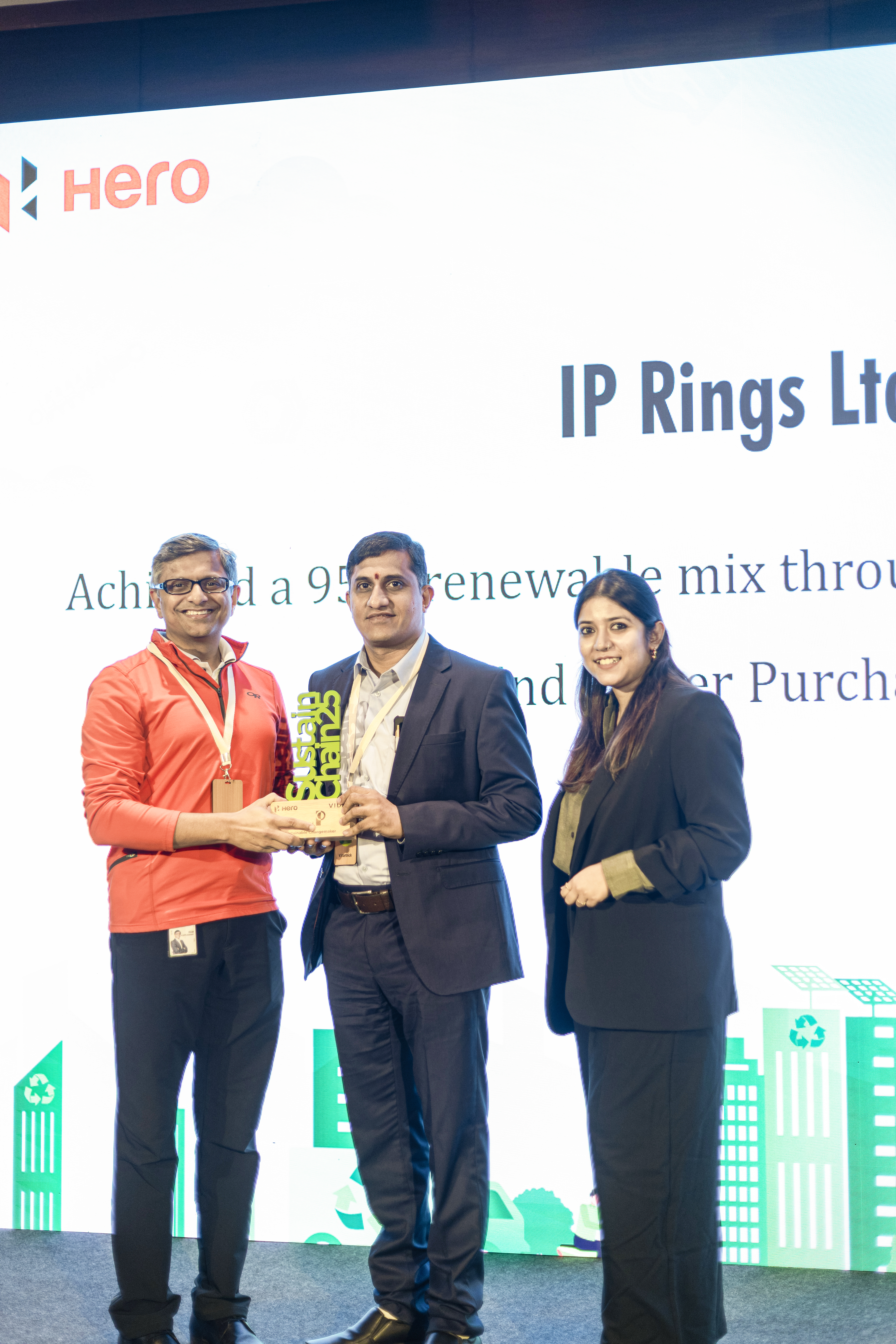
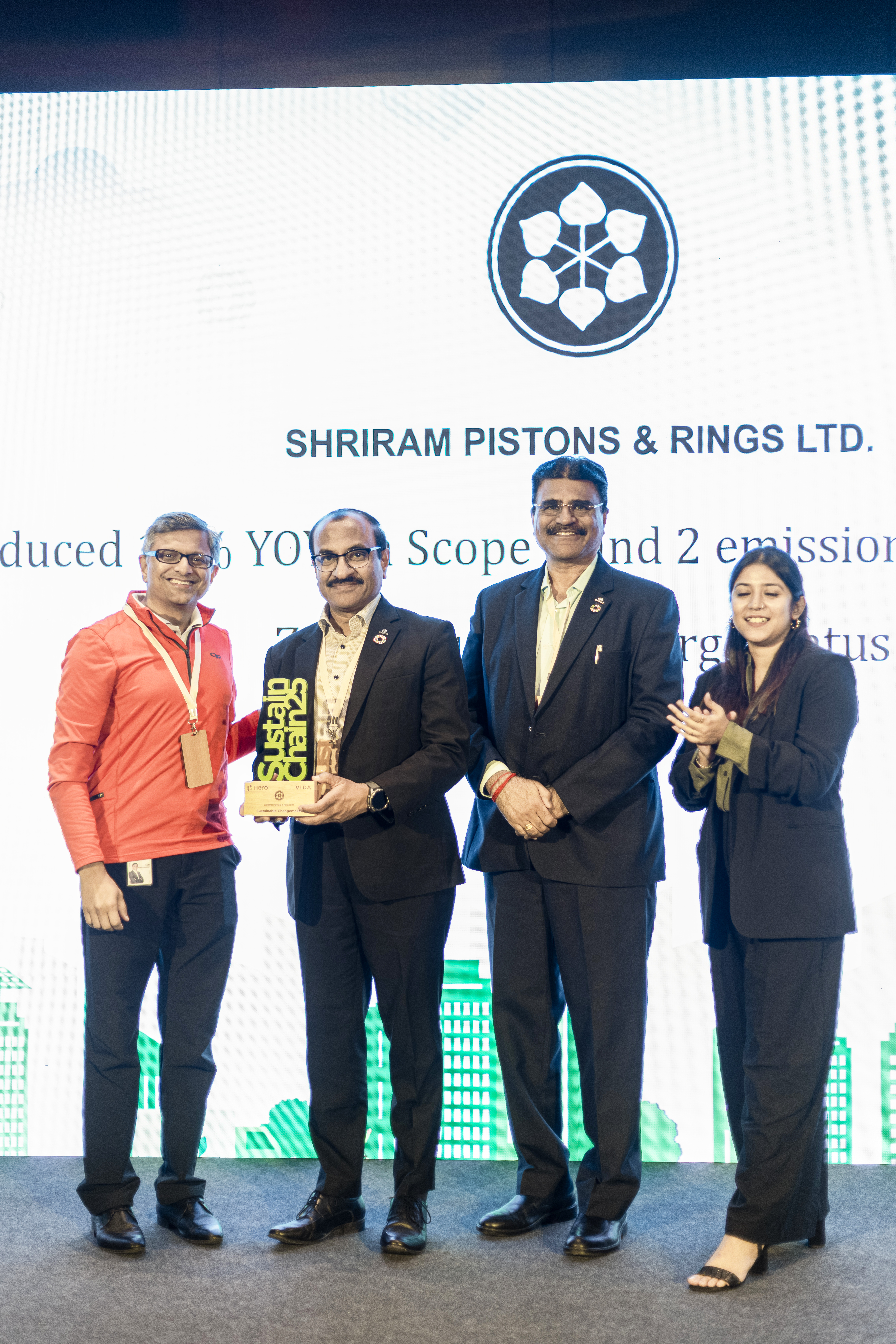
Sustainable Changemaker-IP RINGS Ltd.
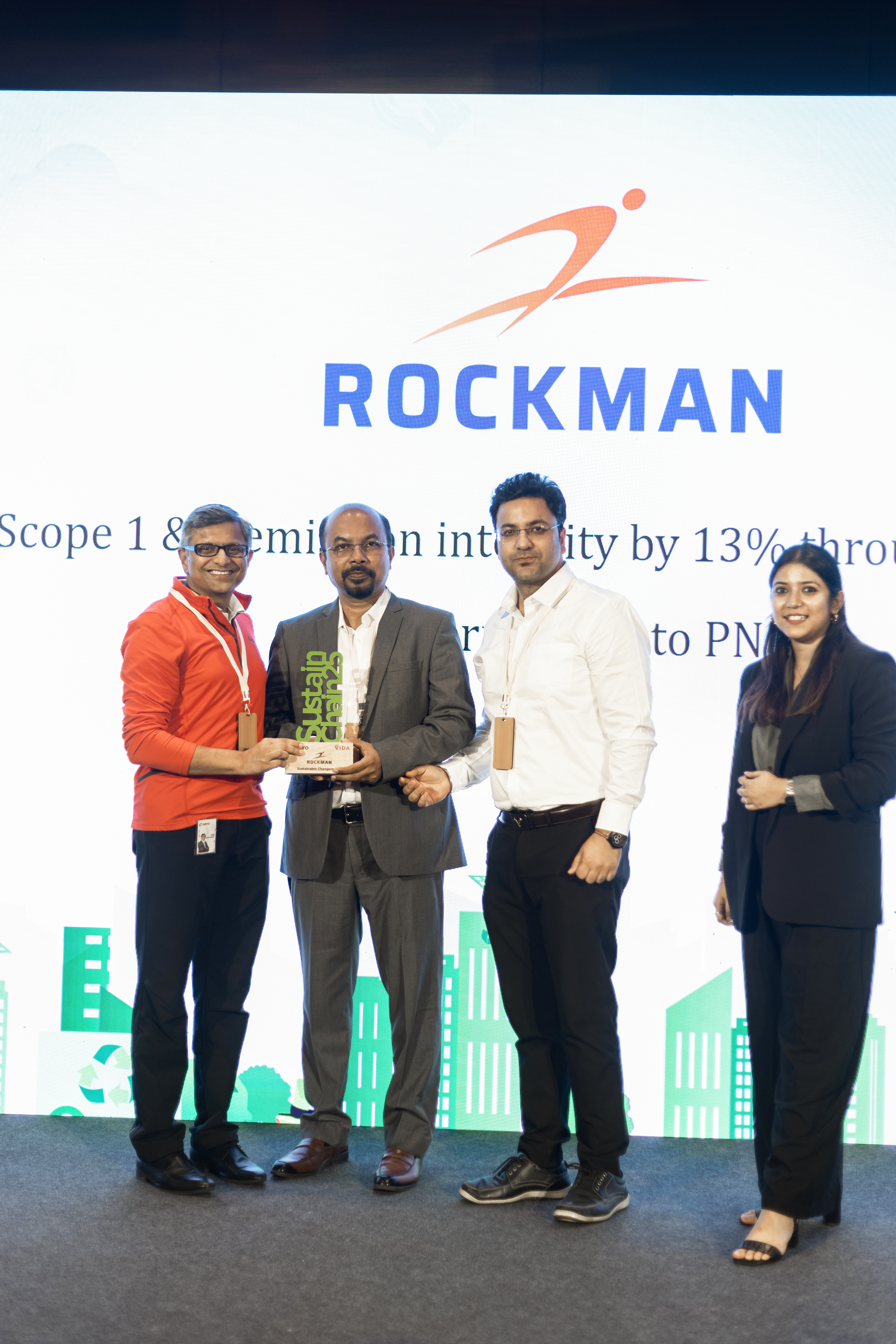
Sustainable Changemaker-Rockman Industries
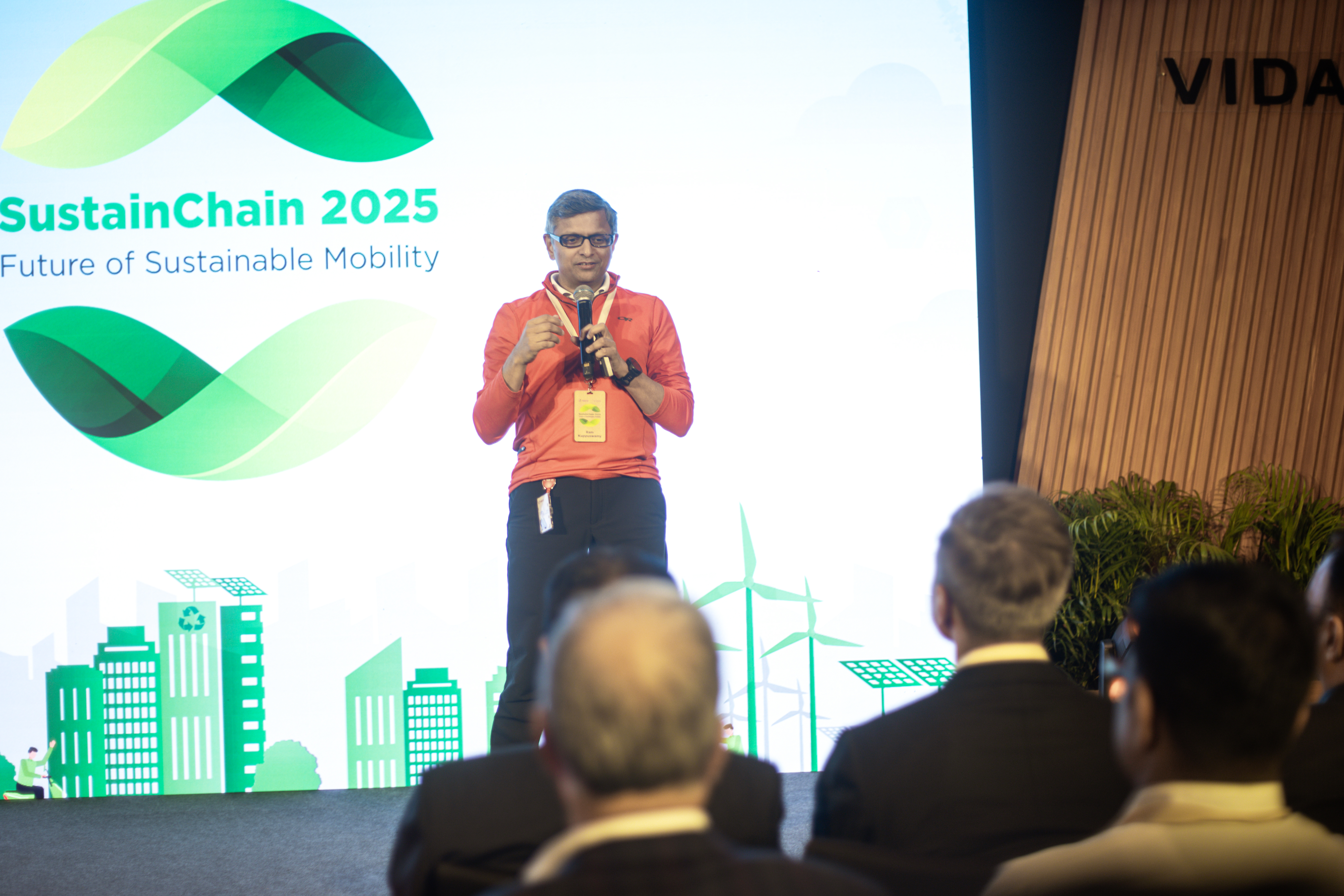
Context setting of the Forum-Mr. Ram Kuppuswamy- COO Plant Operations HeroMotocorp
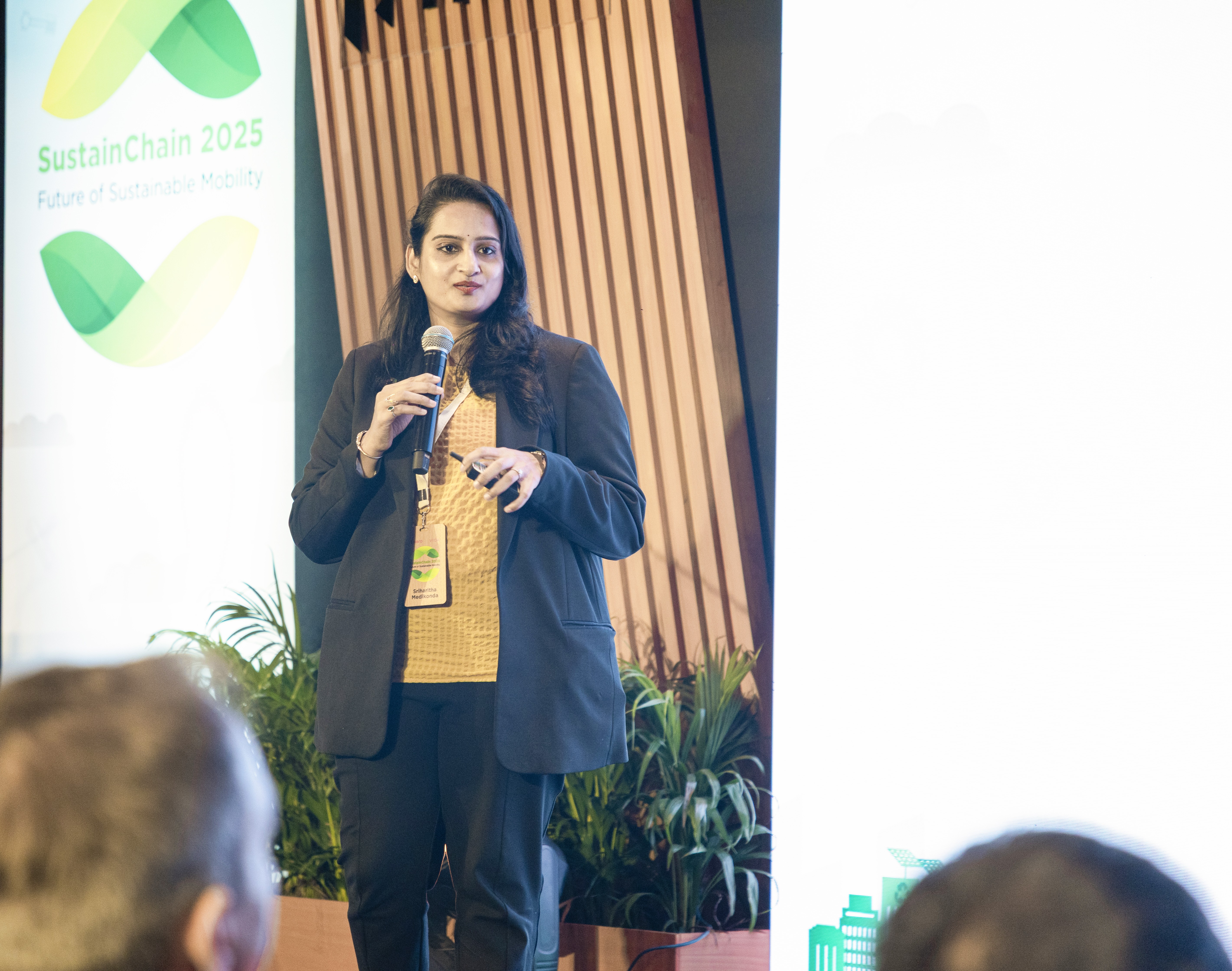
Overall sustainability progress of HMCL
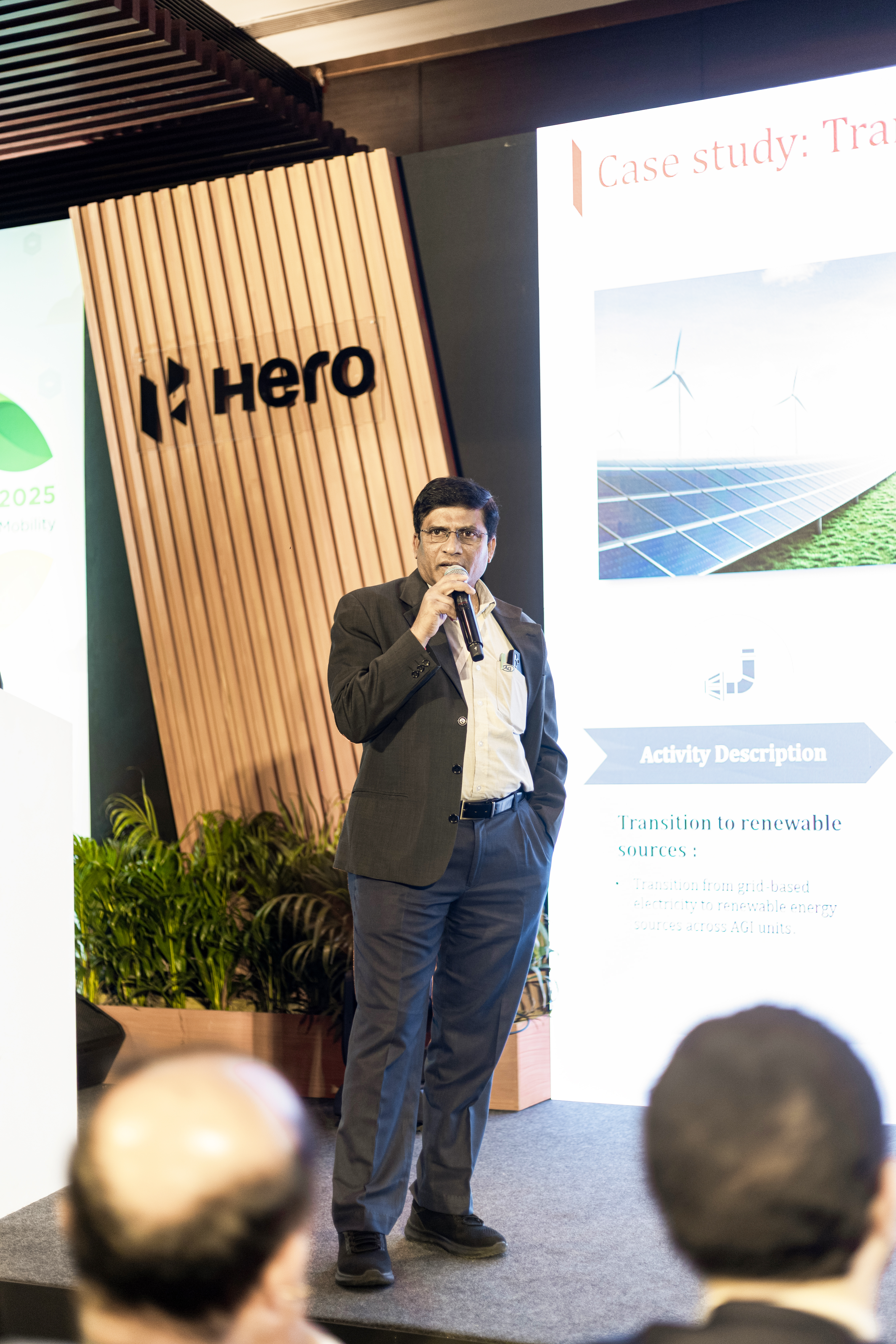
Partner Showcase-AG Industries

Key Outcomes from the Conclave:
Global Supplier Meet 2025
The Global Supplier Meet 2025 brought together over 190 partners to celebrate 41 years of shared history. We used the platform to pivot toward the future of mobility, emphasizing a lean, proactive strategy built on innovation, high-caliber quality, and mutual risk management.
Leading the Dialogue: Amara Raja was awarded the Most Sustainable Partner at Global Supplier Meet 2025.
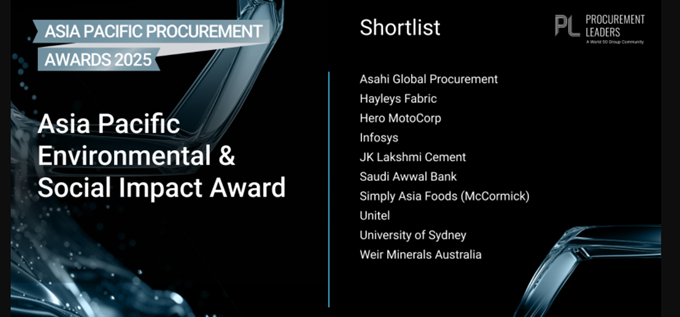
HMCL was shortlisted as a top 10 nominee for the Environmental & Social Impact Award.
Hero MotoCorp Honored at TOI Ecopreneur Summit
We’re proud to be recognized for setting new benchmarks in eco-efficiency! With 40% carbon neutrality, 100% zero waste-to-landfill, and 455% water positivity, we are proving that legacy manufacturing can lead the green charge. Our COO, Ram Kuppuswamy, joined the "Boardroom to the Road" panel to share how Hero embeds sustainability into every stage—from product design to the supply chain.

Learn more about our programs


 Angola
 Argentina
 Bangladesh
 Bolivia
 Colombia
 Costa Rica
 Dominican Republic
 DRC
DRC
 Ecuador
 El Salvador
 Ethiopia
 France
 GCC
GCC
 Germany
 Great Britain
 Guatemala
 Guinea
 Guyana
 Haiti
Haiti
 Honduras
 Italy
Italy
 Kenya
Kenya
 Madagascar
 Mexico
 Myanmar
 Nepal
Nepal
 Nicaragua
 Nigeria
 Panama
 Peru
Peru
 Philippines
 South Africa
 Spain
Spain
 Sri Lanka
 Tanzania
 Trinidad
 Turkey
 Uganda
 Zambia